EARLY LIFE AND FAMILY ROOTS

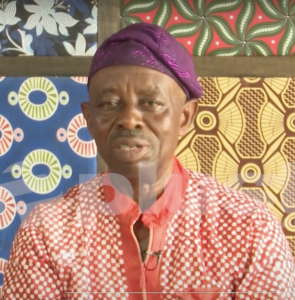
Akinwande Oluwole Babatunde Soyinka born on July 13, 1934, in Abeokuta, Ogun State, Nigeria. Wole Soyinka came into a household that blended Christian values with deep Yoruba traditions. His father, Samuel Ayodele Soyinka, was an Anglican minister and a headmaster, while his mother, Grace Eniola Soyinka, was a shopkeeper and a committed activist. She was also a relative of the iconic Ransome-Kuti family, further surrounding young Wole with strong personalities of culture, education, and activism.
Though born in Abeokuta, Soyinka traces his ancestral heritage to Isara-Remo, a town in the Remo division of Ogun State. He later immortalized his dual roots in autobiographical works like Aké: The Years of Childhood and Isara: A Voyage Around Essay, using them to explore memory, identity, and colonial/postcolonial realities in Nigeria.
While Abeokuta shaped his early education and intellectual development, Isara-Remo remains his true native town, a place of familial legacy and historical importance in his life’s journey. This dual identity adds depth to Soyinka’s voice, grounding his global achievements in deeply rooted local heritage.
Wole Soyinka, Nigeria’s first Nobel Laureate in Literature, is not only celebrated for his profound contributions to drama and literature but also for the educational foundation that shaped his intellectual depth and creative voice. His academic path spans from Nigeria’s oldest schools to renowned institutions abroad, laying the groundwork for a life dedicated to letters, activism, and cultural commentary.
EDUCATIONAL BACKGROUND
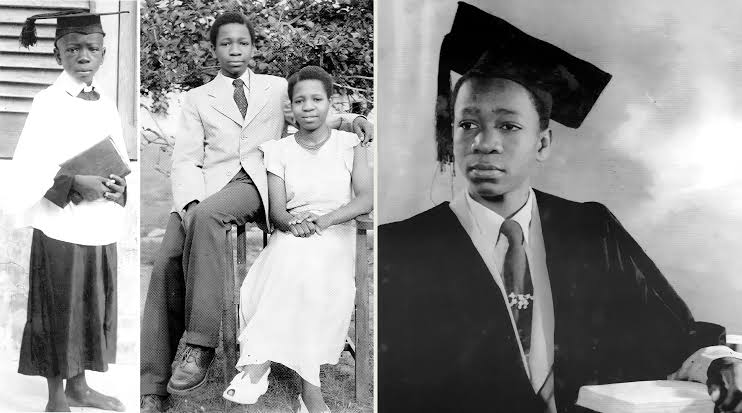
Wole Soyinka began his early education at St. Peter’s Primary School in Abeokuta, a town rich in cultural heritage. From there, he proceeded to Abeokuta Grammar School, one of Nigeria’s premier secondary institutions. His brilliance became evident early on, and he later gained admission into the elite Government College, Ibadan. It was at this school that his love for literature, theatre, and classical studies began to flourish. The rigorous curriculum and exposure to both African and European thought traditions would later inform much of his literary output.
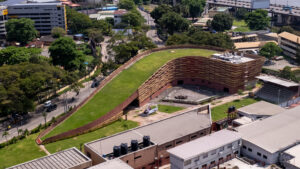
In 1952, Wole Soyinka enrolled at University College Ibadan present-day the University of Ibadan, where he studied English Literature, Greek, and Western History. He was among the first set of students at Nigeria’s premier university. During his time there, he began to challenge societal norms and academic rigidity. It was also at Ibadan that he co-founded the Pyrates Confraternity, the first of its kind in Nigeria, rooted in ideals of justice and social equality.
Seeking broader intellectual exposure, he left Nigeria in 1954 for the University of Leeds in the United Kingdom. At Leeds, Soyinka completed his degree in English Literature, immersing himself in Western literary thought and theatre. His time in the UK also marked his early involvement in professional theatre, as he worked with the Royal Court Theatre in London and began crafting plays that reflected a fusion of African tradition and modern drama.
This combination of local grounding and global experience shaped Soyinka’s distinctive voice,a writer deeply rooted in Yoruba culture yet boldly engaged with global literary and political currents. His educational background remains a cornerstone of his towering legacy in literature and activism.
Career and Literary Accomplishments
Wole Soyinka’s career as a writer spans drama, poetry, essays, and novels. He is globally respected for weaving Yoruba oral traditions and Western literary forms into powerful works that speak to African identity, political oppression, and existential struggles.
His notable plays include The Lion and the Jewel, Death and the King’s Horseman, Kongi’s Harvest, and The Strong Breed. As a poet and essayist, his works such as Idanre, The Man Died, and You Must Set Forth at Dawn explore themes of justice, identity, and exile.
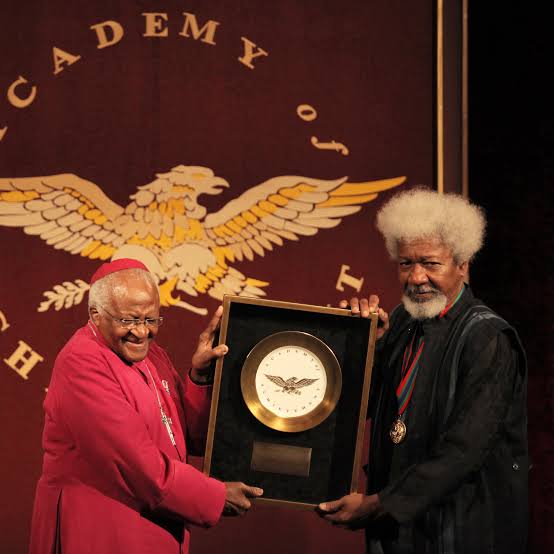
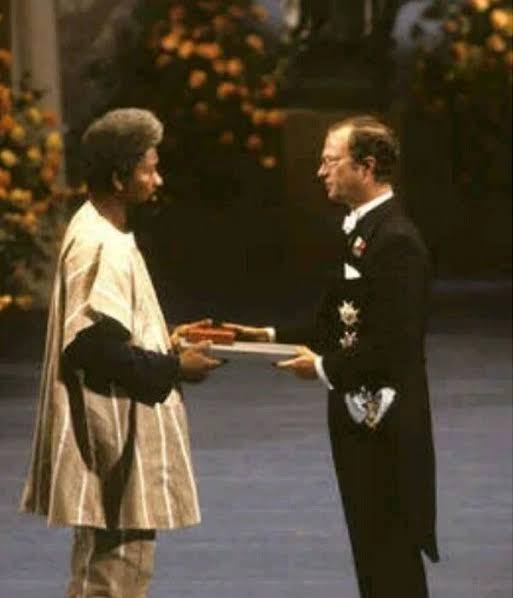
In 1986, he became the first African to win the Nobel Prize in Literature, recognized for his ability to fuse “a wide cultural perspective and poetic overtones” with deep political engagement.
Family Life, Marriage, and Children
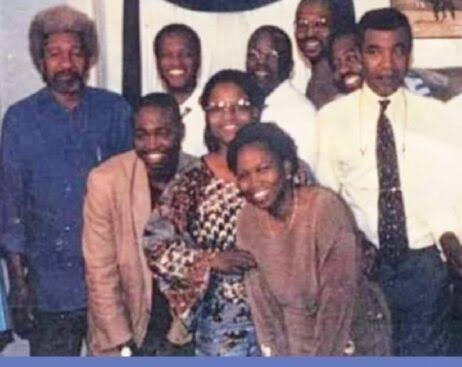
While Wole Soyinka is widely celebrated for his literary genius and activism, his personal life has remained largely private and dignified. Known for balancing the demands of public engagement with a reserved home life, Soyinka’s family story reflects both tradition and discretion.
Wole Soyinka is married to Folake Doherty-Soyinka, a lawyer and academic. She has stood by him as a steadfast partner, supporting his work while maintaining a low profile. Their union represents a blend of intellect and mutual respect, qualities that have defined Soyinka’s own values throughout his career.
The Nobel Laureate is a father to several children, and though he does not frequently speak about them publicly, a few have made names for themselves in their respective fields. One of his most well-known children is Dr. Olaokun Soyinka, a UK-trained medical doctor who once served as the Commissioner for Health in Ogun State, contributing significantly to public health and governance in Nigeria.
Another notable figure in the Soyinka family is Moremi Soyinka-Onijala, a lawyer and diplomat. She has served Nigeria through roles in the Ministry of Foreign Affairs and in international diplomacy, following in her father’s footsteps in terms of service and global engagement.
Despite his global fame, Wole Soyinka has managed to keep much of his family life away from the public eye. His approach reflects a desire to shield his loved ones from the glare of fame, while still instilling in them the values of knowledge, service, and cultural pride.
Political Involvement and Exile
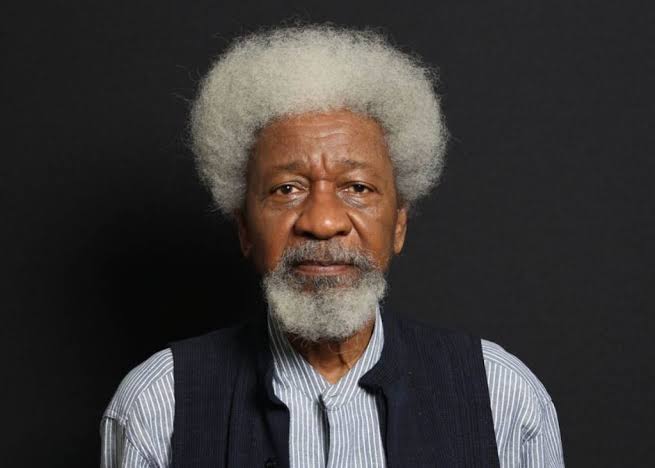
Soyinka’s life has been deeply intertwined with Nigeria’s political history. He was imprisoned during the Nigerian Civil War in 1967 for attempting to mediate peace between the federal government and Biafra. He spent 27 months in solitary confinement, an experience he later recounted in The Man Died: Prison Notes of Wole Soyinka.
Throughout military regimes and democratic transitions, Soyinka remained an outspoken critic of oppression and corruption. During the Abacha regime, he fled into exile and continued to rally global attention against human rights abuses in Nigeria.
Personal Beliefs and Advocacy
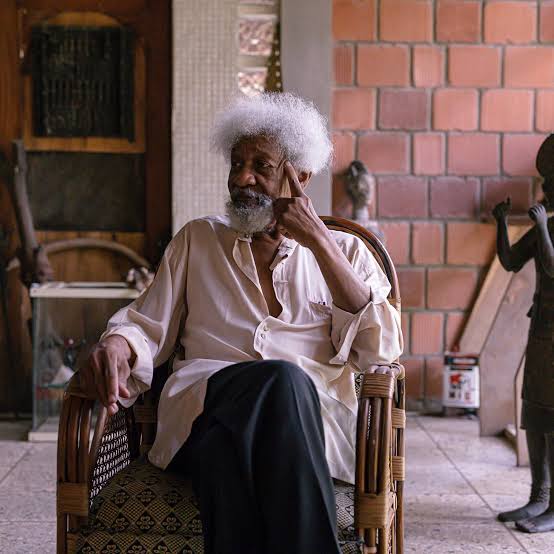
A humanist and secular thinker, Soyinka is a fierce defender of freedom of thought, expression, and human dignity. He speaks often of Africa’s need to reclaim its narratives, rethink governance, and protect cultural values from distortion.
Though he was raised Christian, his worldview is deeply shaped by Yoruba cosmology and philosophical traditions, which echo throughout his plays and essays.
Legacy and Influence
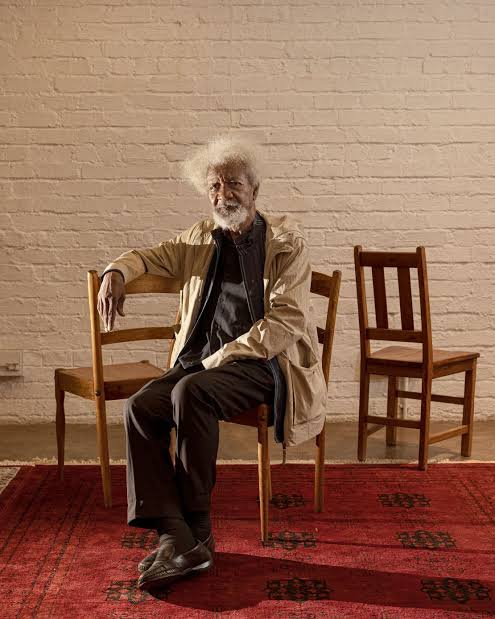
Wole Soyinka is not only a literary figure but also a national conscience. His writings are studied globally in literature and political science classes. He remains a vocal critic of religious extremism, ethnic violence, and governmental failure in Nigeria and beyond.
As a teacher, he has held academic positions at institutions including Ife (now Obafemi Awolowo University), Harvard, Yale, Cornell, Emory, and Oxford. His work continues to inspire generations of African writers and thinkers.
Notable Quotes by Wole Soyinka
Wole Soyinka’s words are as powerful as his activism and literary works. Over the decades, he has delivered sharp, thought-provoking statements that continue to resonate across generations. One of his most famous declarations is “The man dies in all who keep silent in the face of tyranny.” This quote speaks to his lifelong resistance against oppression and his belief in speaking out boldly, regardless of the consequences.
Another quote that captures Soyinka’s passion for literature and truth is “Books and all forms of writing are terror to those who wish to suppress truth.” This statement reflects his conviction that literature is not just a form of expression but a powerful weapon against falsehood and authoritarianism.
These quotes embody Soyinka’s fearless commitment to justice, intellectual freedom, and the enduring power of words.