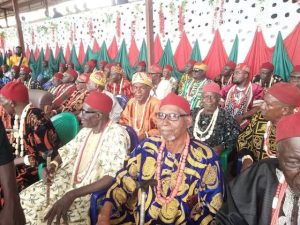
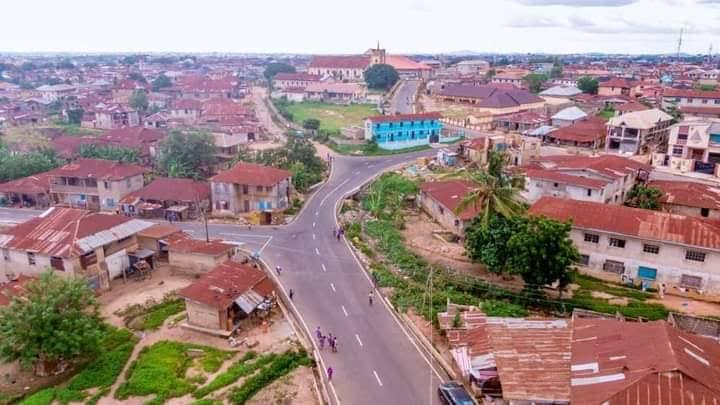
Ede is one of the oldest Yoruba towns, with its foundation dating back to the mid-15th century. It was established by Timi Agbale Olofa-Ina, a fearless warrior under the Alaafin of Oyo. Sent southward to secure the empire’s borders, he settled in what we now know as Ede, a town that would become a spiritual and cultural landmark for the Yoruba people. At the time, the Alaafin of Oyo, the powerful emperor of the Oyo Empire, sought to safeguard his territory’s southern border. This region faced frequent threats from rival groups and needed a loyal and brave warrior to maintain order and secure the trade routes. The foundation of Ede begins with Timi Agbale Olofa-Ina, a courageous warrior from Ile-Ife, the spiritual cradle of the Yoruba people.
Geography and Strategic Location
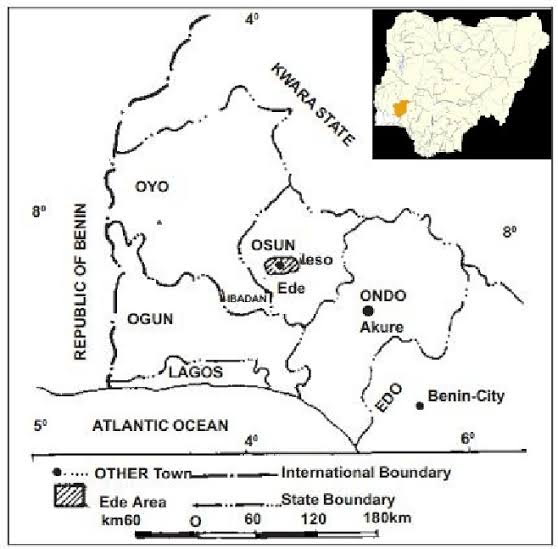
Ede’s central location in Osun State places it at a strategic junction, linking it to several key Yoruba towns. Whether for commerce, education, cultural exchange, or daily commuting, understanding the travel times to surrounding towns gives a better sense of the town’s accessibility and influence. Ede, one of the oldest and most culturally rich towns in southwestern Nigeria, is governed through two local government areas: Ede North and Ede South. These administrative divisions play a vital role in the daily governance, development, and social welfare of the town’s residents.
Ede North Local Government serves as the more urbanized section of the town. With its headquarters located at Oja Timi, the area encompasses the commercial, residential, and institutional heart of Ede. It is home to bustling markets, government offices, schools, and religious centers, making it the administrative and economic hub of the town. The current chairman of Ede North Local Government is Honourable Amodu Taiwo.
On the other hand, Ede South Local Government covers the more suburban and rural parts of Ede. Its administrative center is situated in Oloki. Ede South is known for its strong agricultural base, community life, and expanding residential developments. It provides essential support to farming communities and ensures grassroots governance reaches the outer stretches of the town. Honourable Afolabi Oyekola Lukman currently serves as the chairman of Ede South Local Government.
Both local governments operate semi-independently under the umbrella of Osun State Government, with elected officials and local councils managing affairs ranging from education and healthcare to road maintenance and cultural programs. The division into North and South allows Ede to manage growth effectively while preserving its cultural heritage and improving service delivery to its people.
Osogbo, the capital of Osun State, is Ede’s closest neighbor. The two towns are so closely linked that they are often referred to as twin towns. Connected directly by the expressway, the journey between Ede and Osogbo typically takes just 15 to 25 minutes, making frequent interaction between the two almost seamless.
To the northwest lies Ejigbo, a town known for its strong cultural traditions and agricultural base. From Ede, it takes approximately 35 to 45 minutes to reach Ejigbo via local road networks.
Iwo, located directly west of Ede, is another historically significant Yoruba town with a strong Islamic presence. It is accessible through the Iwo–Ede road, with a travel time of around 30 to 40 minutes.
Heading north, Awo is a smaller community with close ties to Ede. It can be reached in 20 to 30 minutes, offering a quick rural escape from the bustle of town life.
Ikirun, located northeast of Ede, requires a longer trip of 40 to 50 minutes. Travelers often pass through Osogbo or connect via routes through Ifon-Osun and other smaller communities.
To the southeast is Apomu, historically important and located on the way toward Ibadan. Apomu is roughly 30 to 45 minutes away by road and is well connected through the Osogbo–Ibadan expressway.
Further out is Otan Ayegbaju, northeast of Ede. Getting there takes about 1 hour to 1 hour 15 minutes, usually through Osogbo and Ikirun. Though farther, it remains within reach for extended day trips or business.
Closer still are Okinni and Sekona, two small towns along the Ede–Osogbo corridor. Each can be accessed in just 15 to 25 minutes, and they serve as important local stops along the route.
The Title of the King
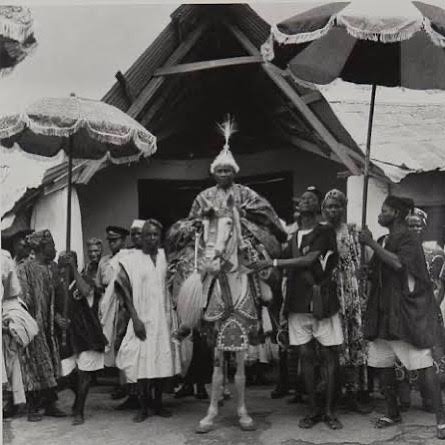
In the heart of Ede, one of the oldest Yoruba towns, the institution of kingship remains a vital symbol of tradition, unity, and spiritual authority. The title bestowed upon the monarch of this ancient town is “The Timi of Ede”—a designation that carries centuries of historical and cultural weight.
The origin of the title traces back to Timi Agbale Olofa-Ina, a legendary warrior and hunter from Ile-Ife who was sent by the Alaafin of Oyo to secure the southern frontier of the Oyo Empire. After establishing a settlement near the Osun River, he became the first ruler of Ede, and his descendants have since carried on the legacy under the royal title “Timi.”
Unlike in some other Yoruba towns where kingship evolved over time, Ede’s monarchy was built into its very foundation. The Timi of Ede has always been more than a ceremonial figure,he is a spiritual guide, custodian of customs, and the unifying force among the people.
The current Timi of Ede, as of 2024, is Oba Munirudeen Adesola Lawal (Laminisa I). He was installed in 2007 and has since played a pivotal role in modernizing aspects of the town while preserving its deep-rooted traditions. Under his reign, Ede has witnessed growing investments in education, infrastructure, and culture.
The Timi’s palace is not only a symbol of royal authority but also a center for cultural celebrations, community decisions, and traditional rites. From the annual festivals to daily leadership functions, the presence of the Timi remains integral to the identity of Ede.
In a rapidly changing Nigeria, the Timi of Ede stands as a bridge between the past and the future—a living institution that continues to command respect and relevance in the lives of the people.
Who Was Timi Agbale?
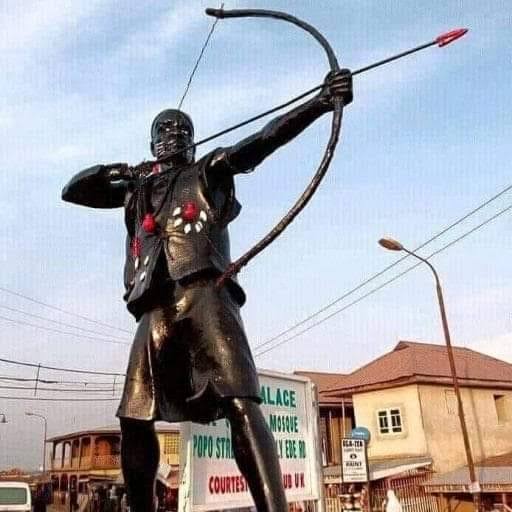
In the chronicles of Yoruba history, few names carry the weight and reverence of Timi Agbale Olofa-Ina—a fearless warrior, skilled hunter, and the revered founder of the ancient town of Ede in present-day Osun State, Nigeria.
Timi Agbale’s story is deeply rooted in the early expansion of the Oyo Empire, one of the most powerful and organized pre-colonial states in West Africa. Born in Ile-Ife, the spiritual cradle of the Yoruba people, Timi Agbale emerged during a time of territorial defense, royal conquest, and cultural formation.
He was commissioned by the Alaafin of Oyo, the supreme ruler of the Oyo Empire, to journey southward to secure and protect the frontier from external threats. The area he was tasked to oversee was rich in rivers, forest, and trade routes, but also vulnerable to invasion. Timi Agbale, equipped with military skill and spiritual backing, accepted the call and set out with a loyal band of warriors.
Upon reaching the banks of the Osun River, Timi established a strategic military outpost which would later evolve into the town now known as Ede. His leadership was marked by bravery, discipline, and the ability to unite people under a shared sense of security and identity. The outpost became a settlement, and the settlement grew into a vibrant town.
His legendary prowess in battle earned him the title “Olofa-Ina”, which translates to “the one who shoots arrows of fire”—a symbol of both his fierce military tactics and supernatural strength. Oral traditions speak of his ability to command forces with unmatched skill, his loyalty to the Alaafin, and his devotion to the divine heritage of the Yoruba.
Timi Agbale was not merely a soldier—he was a nation-builder, a pioneer, and the originator of Ede’s monarchy. Unlike in some towns where kingship was introduced centuries after their formation, Ede’s rulership was embedded from the start, with Timi as the first monarch.
To this day, the town continues to honour his legacy. The title “Timi of Ede” is a continuation of the authority he established. His name is celebrated in songs, history, and festivals. The people of Ede, proud of their heritage, regard him not just as a historical figure but as the spiritual foundation of their identity.
In remembering Timi Agbale Olofa-Ina, we remember the roots of Ede’s greatness—founded on courage, loyalty, and a deep sense of purpose.
Meaning Behind the Name ‘Ede’
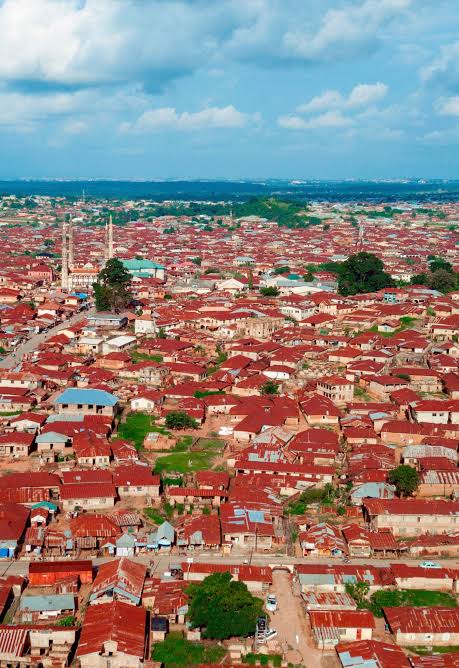
The ancient Yoruba town of Ede, located in southwestern Nigeria, bears a name that reflects both its environmental setting and its cultural legacy. As with many Yoruba settlements, the name “Ede” is not arbitrary, it tells a deeper story about the town’s founding and its strategic location.
According to popular belief, the name “Ede” is derived from the Yoruba expression “ede omi”, loosely interpreted as “a place close to water” or “a river crossing point.” This interpretation aligns closely with the town’s positioning along the Osun River, a historically significant water body in Osun State. In the past, rivers played a vital role not just in providing water for survival, but also as landmarks for spiritual practices, commerce, and defense.
When Timi Agbale Olofa-Ina, the valiant warrior sent from Ile-Ife, arrived with his followers, he chose to settle near the Osun River for strategic reasons. The river provided a natural defense and a lifeline for agriculture and daily living. The settlement became known for being near the river’s edge, hence the name Ede.
Another school of thought interprets “Ede” as meaning “to pass over”, suggesting that the area served as a natural crossing point for travelers, traders, and warriors. This reinforces Ede’s identity as a key transit location—a bridge between regions in both a literal and cultural sense.
Beyond its physical landscape, the name “Ede” has come to represent heritage, resilience, and cultural depth. Through centuries of evolution, the town has held on to its traditions while embracing growth and modernization.
While today’s Ede is home to bustling markets, educational institutions, and modern infrastructure, the meaning of its name continues to resonate. It reflects a legacy shaped by nature, migration, and strategic foresight, linking the past to the present in a way only names of deep cultural origin can do.
Kingship Embedded in the Soil
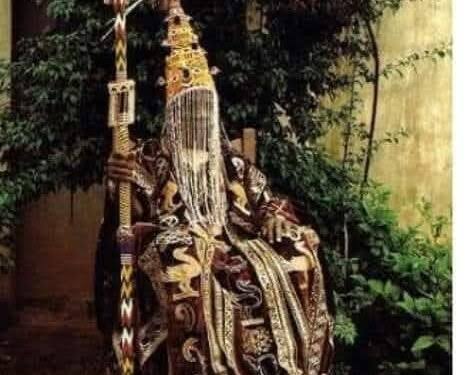
The kingship of Ede is more than a traditional title, it is a symbol of authority, continuity, and cultural pride. The town is ruled by the Timi of Ede, a first-class Yoruba monarch whose position is both ancestral and spiritual in nature.
The origin of the kingship dates back to the town’s founding in the 15th century, when Timi Agbale Olofa-Ina, a renowned warrior from Ile-Ife, was sent by the Alaafin of Oyo to secure the southern flank of the empire. Upon settling near the Osun River, he established not only a military outpost but also a royal lineage that would oversee the governance of the growing settlement. From the very beginning, the title “Timi” became the symbol of leadership in Ede.
Throughout history, the Timi’s stool has remained central to the town’s identity. The Timi of Ede is regarded as both a political figure and a spiritual guide. His palace serves as the hub for decision-making, cultural preservation, and dispute resolution. The monarchy also plays a leading role in religious and traditional festivals, offering blessings, guidance, and a sense of unity for the people.
Royalty in Modern Times
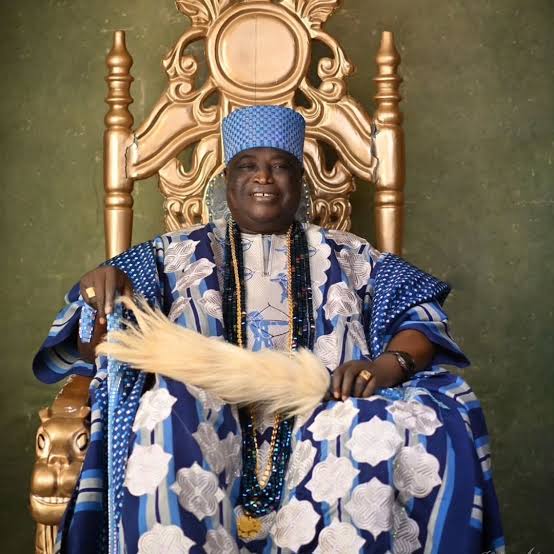
In modern-day Ede, the royal institution remains a vital pillar of the town’s cultural, spiritual, and social identity. The Timi of Ede, as the traditional ruler is known, continues to play a significant role, not only as a custodian of history but also as a symbol of unity and progress.
While the roots of kingship in Ede stretch back over five centuries, today’s monarchy reflects a blend of age-old customs and modern relevance. The current monarch, Oba Munirudeen Adesola Lawal (Laminisa I), who was installed in 2007, has been instrumental in navigating this balance. Under his leadership, the palace has become a center for cultural preservation, civic dialogue, and developmental advocacy.
Royalty in Ede is not just ceremonial. The Timi actively engages in issues of education, youth empowerment, religious harmony, and community development. Festivals, town meetings, and interfaith events often revolve around the palace, reinforcing its continued importance in daily life.
Moreover, the modern Timi embodies diplomacy and openness. He receives both dignitaries and grassroots members of the community, bridging generational gaps while upholding the dignity of the throne. His reign reflects the evolving role of Yoruba monarchs: custodians of heritage, yet responsive to contemporary challenges.
In Ede today, royalty is not a relic of the past, it is a living institution that speaks to identity, pride, and a shared vision for the future.
Cultural Life and Celebrations
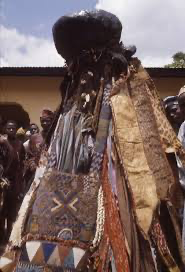
Ede is a town where culture is not just preserved—it is proudly lived. From its royal customs to its colorful festivals, Ede reflects the deep cultural heritage of the Yoruba people, blended with its unique identity as a predominantly Muslim town.
The cultural life of Ede is shaped by values such as respect for elders, communal living, modesty, and hospitality. These values are evident in the daily interactions of its people, as well as in how traditions are passed down from generation to generation. The town’s traditional attire—aso-oke, agbada, gele, iro, and buba—is often worn during weddings, naming ceremonies, religious holidays, and festivals, showcasing its fashion-rich identity.
At the heart of Ede’s cultural calendar are its celebrations and festivals. One of the most vibrant is the annual homage to the Timi of Ede, where chiefs, youth groups, and cultural troupes perform traditional dances and music in front of the palace. It is a moment of pride and unity for the community.
Given Ede’s strong Islamic heritage, Eid al-Fitr and Eid al-Adha are widely celebrated with prayers, feasts, and family gatherings. The entire town comes alive during these festivals, with streets filled with joyful processions, food sharing, and open-door hospitality.
Ede also observes the Egungun Festival, a traditional Yoruba celebration that honors the ancestors. Masquerades in colorful costumes dance through the streets to the sound of bata drums, as spiritual rites are performed to connect the living with those who came before.
In essence, Ede’s culture is a harmonious blend of Islamic devotion, Yoruba tradition, and community pride. Its celebrations are not only expressions of joy but also powerful reminders of identity, history, and belonging.
Celebrating Faith
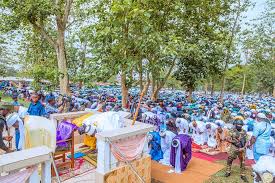
In Ede, faith is more than belief—it is a defining part of the town’s rhythm and identity. As one of the few Yoruba towns with a majority Muslim population, religion is deeply embedded in its culture, governance, and everyday life.
The presence of Islam is highly visible, from the architecture of its numerous mosques to the daily sounds of the call to prayer echoing through its neighborhoods. Religious leaders hold influential roles in shaping values, guiding education, and settling disputes within the community.
Islamic festivals such as Eid al-Fitr and Eid al-Adha are celebrated with great enthusiasm. These sacred occasions are marked by early morning prayers, communal feasts, visits to loved ones, and acts of charity. During these celebrations, the streets of Ede come alive with vibrant clothing, music, and the spirit of unity.
Islamic education is also central to life in Ede. Traditional Quranic schools and Arabic studies thrive alongside modern institutions, helping young people grow with both spiritual and academic foundations. Many respected scholars and clerics have emerged from Ede, continuing its legacy of religious leadership.
While Islam is predominant, Ede remains inclusive of other faiths. Christian communities and adherents of traditional Yoruba spirituality also practice freely. Cultural festivals like the Egungun celebration, which honors ancestral spirits, are still observed with colorful masquerades, drumming, and communal dances.
In Ede, faith is not only practiced, it is celebrated, and it continues to shape the town’s values, unity, and outlook for the future. Islam is the dominant religion in Ede, shaping both spiritual life and community leadership. Mosques outnumber churches, though Christians and traditional worshippers also have a visible presence. Islamic scholars are key figures in education, law, and daily affairs.
Educational Strengths of Ede

Ede stands tall as one of Osun State’s most vibrant educational towns, known for nurturing knowledge through a mix of traditional learning and modern institutions. Education plays a vital role in the town’s identity and continues to shape its future.
Leading the academic landscape is the Federal Polytechnic, Ede, a top-tier institution in Nigeria that draws students from across the country. With a strong emphasis on technology, business, and applied sciences, the polytechnic is a major contributor to youth empowerment, technical expertise, and entrepreneurship.
Adeleke University, a private institution established by the prominent Adeleke family, also adds to Ede’s academic prestige. Though rooted in Christian values, the university embraces diversity and is celebrated for its high academic standards, entrepreneurial focus, and serene campus environment.
Ede is home to some of the region’s most respected secondary schools, including Timi Agbale Grammar School, Baptist High School, and Muslim Grammar School. These schools have produced generations of leaders, professionals, and scholars who have made their mark in various fields.
The educational scene in Ede is further enriched by religious and community-based learning. Islamic education, particularly through Quranic schools, plays a central role in shaping values and providing early foundational knowledge to many children in the town.
Efforts to improve education continue, with increased investment in ICT, school infrastructure, and access to learning resources. Libraries, digital classrooms, and training programs are being introduced to ensure that learners in Ede are well-prepared for today’s competitive world.
In Ede, learning is more than formal schooling—it is a deeply rooted tradition, a community value, and a driving force for development.
How Ede Makes a Living
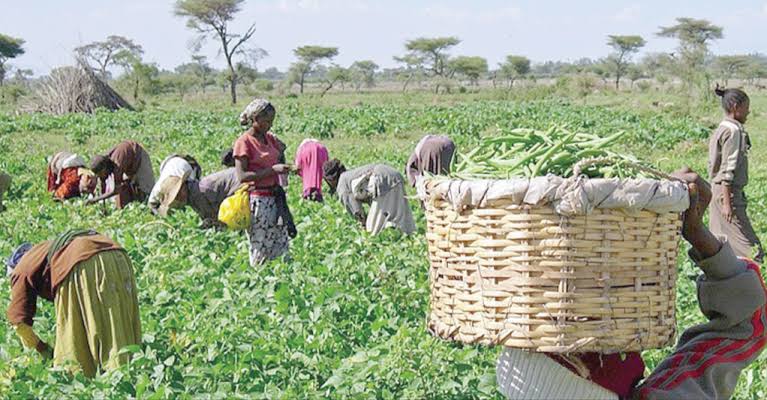
Ede, one of the oldest Yoruba towns in southwestern Nigeria, may be rich in history and culture, but it is also deeply rooted in economic activity that keeps the town moving every day. From traditional trades to modern enterprises, Ede thrives through a mix of agriculture, commerce, education, and artisan work.
At the heart of Ede’s economy is agriculture. Many families engage in farming, cultivating crops like cassava, maize, yam, cocoa, and vegetables. The town’s fertile land and seasonal rainfall support subsistence and commercial farming. Fishing, though on a smaller scale, also contributes to local food supply and income generation, especially for communities near the Osun River.
Trading plays a vital role in how Ede makes a living. Markets such as Oja Timi are daily beehives of activity where people buy and sell foodstuff, clothes, household items, and farm produce. Petty trading, roadside vending, and market stalls are common sights, especially among women and youth.
Artisan work is another major source of livelihood. Tailors, welders, bricklayers, carpenters, and mechanics are widely patronized in town. These skilled workers not only serve Ede but often take on jobs in neighboring towns. Their services are essential to the growing construction and housing needs across the region.
The presence of major educational institutions like Federal Polytechnic Ede and Adeleke Universityhas created jobs in academics, administration, and student services. These schools also support a chain of businesses — from food vendors and hostels to printing shops and commercial bike riders — all benefiting from student populations.
In recent years, real estate, hospitality, and small-scale businesses have begun to thrive, especially with the influence of wealthy families and local politicians investing in infrastructure and services. The town is gradually expanding its commercial outlook beyond agriculture.
Whether in farms, markets, classrooms, or workshops, the people of Ede make a living through resilience, hard work, and community-driven enterprise. It is a town where tradition meets opportunity, and every street corner tells a story of survival and ambition.
Famous Faces from Ede

Ede, with its deep cultural roots and strong identity, has produced many individuals who have risen to prominence in various spheres from politics and business to entertainment and religion. These icons of reflect the town’s spirit of resilience, leadership, and excellence.
Adedeji Adeleke
A billionaire businessman and philanthropist, Dr. Adedeji Adeleke is one of the most influential personalities from Ede. He is the founder of Adeleke University and chairman of Pacific Holdings Limited. Known for his generosity and community support, he has contributed significantly to education and development in Ede and beyond.
Davido (David Adeleke)
Internationally acclaimed music star Davido is the son of Adedeji Adeleke. With numerous hit songs, awards, and global tours, Davido has put Ede — and Nigeria — on the world map of music. Despite his fame, he remains proud of his roots and often supports causes tied to his hometown.
Senator Ademola Adeleke
The current Governor of Osun State, Senator Ademola Adeleke is a prominent political figure known for his grassroots connection and vibrant personality. Nicknamed the “Dancing Senator” for his youthful spirit, he has gained popularity across the state and maintains strong ties to Ede.
Late Isiaka Adeleke
A trailblazer in Osun State politics, Isiaka Adeleke was the first civilian governor of the state (1992–1993) and later served as a senator. His legacy includes championing youth empowerment and infrastructure development. He remains one of the most respected political figures from the town.
Islamic Scholars and Clerics
Ede is a majority-Muslim town and has produced several respected Islamic scholars who have shaped education, religious values, and social development in the community. They play active roles in guiding the moral compass of the town and mentoring young people.
Beyond the well-known names, Ede is home to many unsung heroes — school principals, local business owners, cultural custodians, and artisans — who are icons in their own right. These individuals uphold the values of hard work, discipline, and service in their daily lives.
Ede’s icons are not just famous — they are beacons of the town’s legacy and pride. Whether through politics, business, entertainment, or faith, these personalities continue to inspire a new generation of dreamers and achievers.
Staying Connected
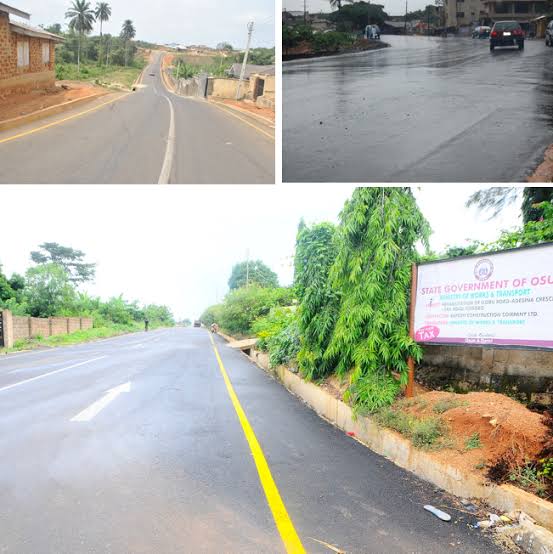
Nestled along the ever-busy Osogbo–Ibadan expressway, Ede stands out as one of Osun State’s most accessible towns. Its strategic position has long made it a key transit point for travelers and traders alike, and this advantage continues to shape its relevance in the region today. Ede shares close proximity with Osogbo, the state capital, with a journey time of just 15 to 25 minutes. The two towns are so closely linked that many residents commute between them daily for work, school, and trade. Public transport options including buses, shared taxis, and motorcycles ensure that movement is easy and affordable. Beyond Osogbo, Ede is also connected to several important neighboring towns. Iwo lies west of Ede and is reachable in about 30 to 40 minutes via the Iwo–Ede road. Ejigbo sits to the northwest, about 35 to 45 minutes away through scenic rural roads. Ikirun, located further north, can be accessed in 40 to 50 minutes by passing through Osogbo or via Ifon-Osun. Apomu and Awo, both relatively close, can be reached within 30 to 45 minutes. Otan Ayegbaju, though farther northeast, remains within reach in about an hour and 15 minutes. Smaller towns like Okinni and Sekona, located between Ede and Osogbo, are a short 15 to 25-minute drive away.
Ede is also part of Nigeria’s Western railway corridor, giving it access to freight and passenger rail services. This rail link complements road travel and supports the movement of agricultural goods, building materials, and other commodities to and from the town.
Infrastructure development in Ede continues to improve especially with investments in roads, bridges, and transport terminals. These efforts not only ease mobility for locals but also encourage tourism, education, and business expansion
Whether by road or rail, staying connected in Ede is seamless, positioning the town as a growing hub in southwestern Nigeria.
Ongoing Struggles
Ede stands at a promising crossroad—rich in tradition, full of potential, and guided by a forward-looking community. While challenges remain, they are not roadblocks, but rather opportunities to shape a more inclusive, resilient, and prosperous town for generations to come.
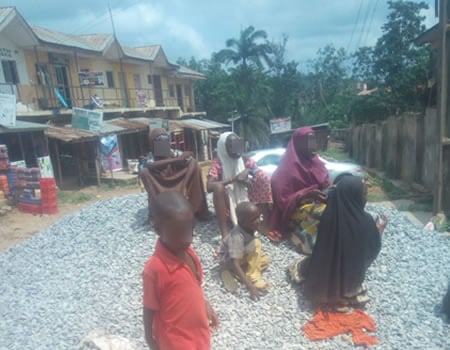
Ede, a town steeped in history and culture, continues to make steady progress while also addressing certain developmental challenges that accompany growth. Like many evolving communities, Ede’s journey involves navigating areas that require strategic attention and long-term planning.
While central Ede has seen commendable improvements in roads, housing, and public services, some surrounding rural areas are still catching up. Ensuring that all parts of the town benefit equally from development efforts remains a key priority. Enhanced infrastructure across all neighborhoods will promote better access to opportunities and services.
With a vibrant, educated youth population, Ede is full of promise. However, expanding local job opportunities to match the energy and qualifications of its young people is an ongoing goal. While agriculture and artisan work continue to be valuable economic activities, many young residents are seeking roles in technology, enterprise, and education sectors that are steadily growing with the right investment.
Ede’s economy, traditionally rooted in agriculture and trading, is gradually diversifying. The next phase of growth may include attracting industries, expanding agro-processing, and supporting small businesses and startups. These efforts will not only boost employment but also help the town harness its economic potential more fully.
As Ede develops and attracts new residents, its infrastructure must adapt. Schools, healthcare centers, roads, and sanitation systems are being improved, but further enhancements are essential to meet increasing demand. Strategic urban planning and community-driven initiatives can help manage this growth efficiently.
Healthcare remains a top priority for many residents. The town is home to several clinics and hospitals, yet there’s a need to make medical services more accessible and well-equipped. With sustained attention to healthcare delivery, Ede can continue building a healthier and more secure future for its people.
Looking Ahead with Hope

Ede, with its deep historical roots and vibrant cultural identity, stands on the cusp of renewed transformation. From its noble founding by Timi Agbale Olofa-Ina to its present-day role as an educational, religious, and economic hub in Osun State, Ede has shown resilience and adaptability through the ages.
As the town grows in population, influence, and ambition, many residents and stakeholders envision a future shaped by opportunity, unity, and progress.
Ede’s rich traditions, festivals, and royal heritage make it a strong candidate for cultural tourism. Events like the annual masquerade festivals, Islamic celebrations, and visits to historic sites such as the Timi’s Palace and the serene Osun River can be leveraged to attract visitors from within and outside Nigeria. Tourism not only preserves heritage—it also drives job creation and small business growth.
Agriculture has long been the backbone of Ede’s economy. With strategic investments in modern farming, irrigation, and agro-processing, Ede could position itself as a leading producer of cassava, maize, vegetables, and cocoa. Supporting young farmers and improving market access will not only boost food security but also stimulate the local economy.
With institutions like Federal Polytechnic and Adeleke University, Ede is already a center for learning. The future lies in bridging these academic strengths with practical skills and technology. ICT hubs, research centers, and vocational training could empower the town’s youth, making them competitive in the digital economy and beyond.
Grassroots efforts, religious institutions, and notable families like the Adelekes continue to play a vital role in Ede’s development. These partnerships—between government, traditional leadership, private investors, and community groups—are key to ensuring inclusive growth that reflects the needs and aspirations of the people.
Ede’s majority-Muslim population lives peacefully alongside Christians and traditional worshippers, showcasing the town’s strong spirit of tolerance. As the town continues to grow, nurturing this harmony will be essential to building a resilient and united society.
With its proud past and determined people, Ede has every reason to look ahead with hope. Its future will be shaped not just by infrastructure or politics, but by the everyday resilience, creativity, and ambition of its residents. As investment, education, and civic pride continue to rise, Ede is well on its way to becoming a model town of heritage-driven progress in Nigeria.
Sights to Behold
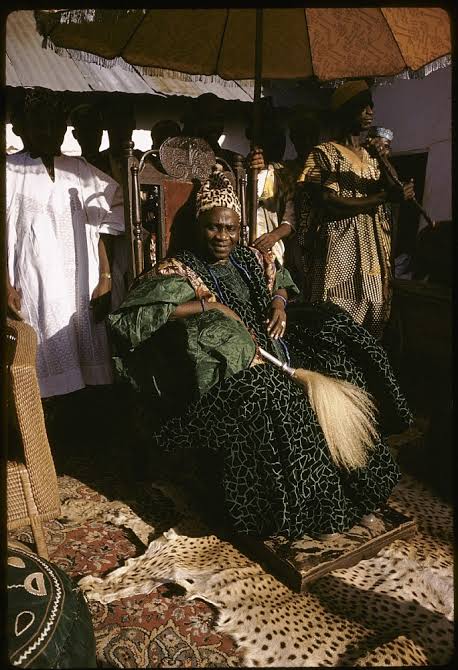
Ede is not just a town of history and heritage, it is also a place of natural beauty, architectural wonder, and cultural significance. Whether you’re a first-time visitor or a returning son of the soil, Ede offers sights that inspire curiosity and pride. These landmarks tell stories of the town’s journey, faith, traditions, and growth.
The Palace of the Timi of Ede
At the heart of the town lies the royal palace, a majestic symbol of Ede’s monarchy. Home to the Timi, the palace reflects both ancient Yoruba royalty and modern governance. Visitors are often struck by its blend of traditional design and regal presence, and during festivals or royal ceremonies, it becomes the vibrant center of cultural life.
As a predominantly Muslim town, Ede boasts several beautiful mosques, some with distinctly Yoruba-Islamic architecture. The Central Mosque near the town’s core is not just a place of worship, it’s also a community hub where religious life, charity, and education intersect. Their domes, minarets, and intricate calligraphy add grace to the town’s skyline.
Ede Hills and Natural Scenery
For nature lovers, Ede’s surrounding landscape offers a refreshing escape. Rolling hills, green spaces, and the nearby Osun River provide perfect spots for reflection, photography, and exploration. The Ede Hills in particular offer panoramic views and a sense of peace that connects deeply with the town’s spiritual roots.
The Osun River
Flowing beside the town, the Osun River has long been a source of life and meaning for the people of Ede. Historically a protective boundary and spiritual guide, it continues to nourish farmlands and serve as a landmark for both residents and visitors. Early mornings by the river offer serene views and a reminder of nature’s quiet strength.