Imagine choosing a school captain for four years. Two years later, the school holds another election, but the pupils are not choosing a new captain. Instead, they are choosing members of the school council who can approve plans, question decisions and help make the rules. The captain stays in office, but the people who help decide what happens at school may change.
That is a simple way of understanding the United States midterm elections, held on Tuesday, 3 November 2026. Americans were not voting for a new President. They were choosing representatives in Congress and, in many states, governors and other public officials.
Why does America hold midterm elections?
A US President serves a four-year term. Donald Trump won the 2024 presidential election and began his current term in January 2025. But voters elect members of the House of Representatives every two years. That creates an election halfway through a President’s term, hence the name “midterm”.
The idea is simple: citizens should be able to change their representatives without waiting for the next presidential election. The federal government has different branches, with different responsibilities, so one election does not decide everything.
What is Congress?
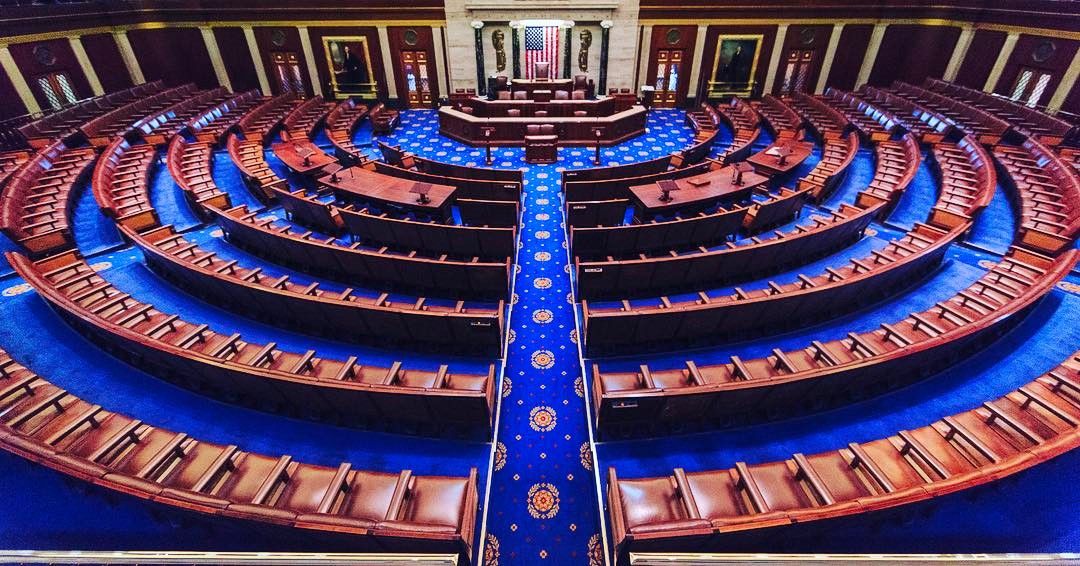
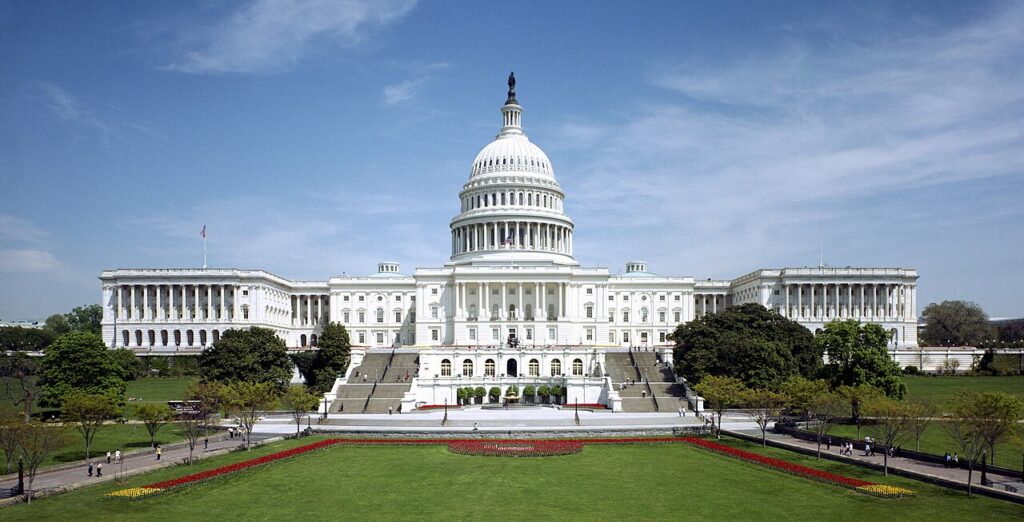
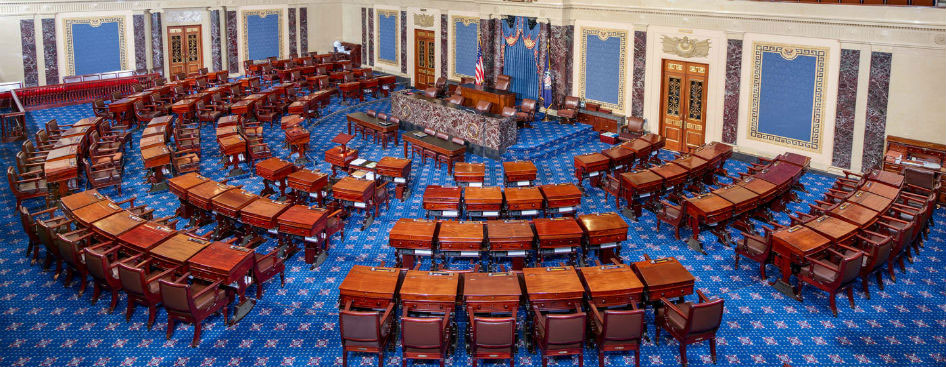
Congress is the national lawmaking body of the United States. It is made up of two chambers: the House of Representatives and the Senate. It is somewhat like the UK Parliament or Nigeria’s National Assembly, although the constitutional systems differ.
The House has 435 voting seats, all of which come up for election every two years. Senators serve six-year terms, but roughly one-third of Senate seats are contested every two years. In 2026, there were 35 Senate contests: 33 regular elections and two special elections.
Congress makes federal laws, decides important matters of government spending and has powers to investigate the executive branch. A bill generally must pass both chambers before it can be sent to the President to sign or veto.
So what happened in 2026?
The United States has two major political parties: the Republicans, to whom President Trump belongs, and the Democrats. Republicans controlled both chambers before the elections. According to Associated Press reporting on 4 November, Democrats won control of both the House and Senate. Some individual vote counts and formal certifications can still continue after news organisations call the overall result.
This is a change in congressional control, not a change of President. Democrats will gain the power to set much of the agenda in both chambers when the new Congress convenes in January 2027, but Trump remains President.
Are the midterm winners taking over the country?
Not in the sense of taking over the White House. Think of that school captain again. A newly elected council does not become the captain. It can, however, approve or challenge what the captain wants to do.
In the same way, a Democratic-controlled Congress could block or change proposals that require new laws, question officials, examine government spending and investigate actions of the administration. The Senate also votes on many presidential appointments, including federal judges and senior officials.
The President still directs the executive branch and can veto bills passed by Congress. Congress can override a veto only with a two-thirds majority in each chamber. That is why the two sides may have to negotiate. When different parties control the presidency and Congress, the arrangement is called “divided government”.
Can Congress remove President Trump?
A midterm election cannot remove a President. The US Constitution provides a separate impeachment process. The House can vote to impeach, and the Senate then holds a trial. Removal requires a two-thirds vote of senators present to convict. Even if a President were removed, the Vice President would ordinarily succeed to the presidency, not the leader of the opposition in Congress.
Why should an ordinary family care?
Imagine a household concerned about food prices, taxes, school fees, healthcare or jobs. Congress helps shape federal laws and budgets affecting many of these issues. It can also influence immigration rules, education programmes, business regulation and infrastructure spending.
The effects are not automatic, and Congress does not control every price or every local policy. State governments, courts, employers and economic conditions also matter. But a change in Congress can alter which proposals move forward, which are rewritten and which are stopped.
For children and teenagers, here is the easiest way to remember it: the President is still the President. Americans have voted to change the people who help make the country’s laws and check the President’s decisions.
Why do people vote differently in midterms?
Some voters want to support the President’s plans. Others want stronger scrutiny or a different approach to national problems. People may also vote for candidates they trust on local issues. Midterms are often described as a political report card on a presidency, but different voters have different reasons for their choices.
When do the winners start work?
The newly elected members of Congress begin their terms on 3 January 2027. Until then, the existing Congress continues its work. Democratic control of both chambers could bring closer oversight of the administration, disputes over spending and legislation, challenges over nominations, or negotiations that result in compromise.
Does the result matter outside America?
Yes. The United States is influential in global trade, diplomacy, defence and finance. Congress has important powers relating to budgets, sanctions, foreign policy legislation and international assistance. Decisions made in Washington can therefore matter to readers in Nigeria, the United Kingdom and elsewhere. But a new congressional majority does not automatically reverse every American policy.
The bigger lesson: democracy does not end with a presidential election
America divides authority among the presidency, Congress and the courts. This system of checks and balances is intended to stop any one branch from holding unlimited power. Midterm elections give voters another opportunity to influence that balance before the next presidential race.
The bottom line is straightforward: the President has not changed, but the balance of power in Congress has. Understanding that distinction makes the headlines about America’s 2026 elections much easier to follow.
Sources: Associated Press, 4 November 2026; USAGov, Midterm Elections; US Senate, Impeachment.