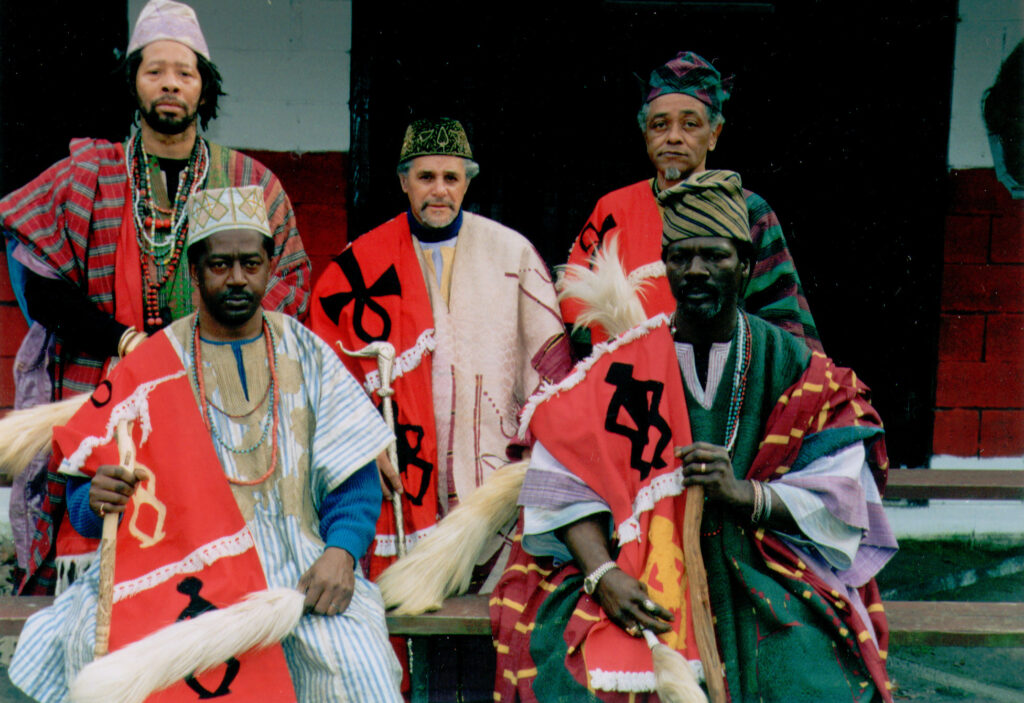
Oyotunji African Kingdom in South Carolina has placed two Yoruba religious and cultural celebrations on its late-October calendar, extending a year-round programme through which the community preserves West African traditions in the United States.
The official calendar lists Odun Hwedo and Odun Oya alongside dates from 23 to 25 October and 31 October 2026. The published page presents the events in sequence but does not provide a detailed daily timetable or clearly match each celebration to one of the two date entries. Prospective visitors should therefore confirm the programme directly with the organisers before travelling.
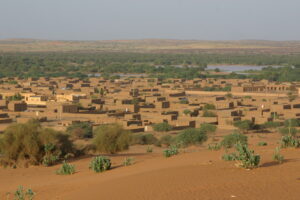
Located in Seabrook, in South Carolina’s Beaufort County, Oyotunji describes itself as an intentional community founded in 1970 around the culture of the Yoruba and Dahomey peoples of West Africa. Its public programme includes guided visits, festivals, traditional arts and spiritual activities.
The community says its monthly festivals may feature processions, music, dance, cultural displays, food and workshops. Those descriptions are general rather than a confirmed schedule for the coming celebrations, and the organisers had not published a fuller event-by-event programme on the calendar at the time of writing.
Odun Oya honours Oya, an orisa associated in Yoruba religious traditions with wind, storms, change and the Niger River. Odun Hwedo draws on a strand of the community’s institutional history linked to Damballah Hwedo and the early religious work of Oyotunji’s founder in the United States. A historical account of an earlier Hwedo festival at the village described it as honouring unknown African dead, although the current organisers have not yet published the rites or theme for the 2026 observance.
The celebrations sit within a calendar that also includes festivals dedicated to Olokun, Osun, Sango, Obatala, Onile, Yemoja, Ifa and other figures in the Yoruba religious world. That continuity has made Oyotunji one of the most visible places where Yoruba-derived institutions are maintained as a living community practice in North America.
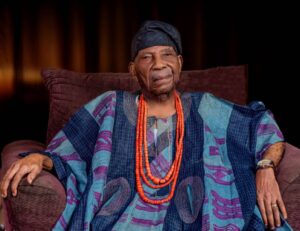
The village was established by Oba Efuntola Oseijeman Adelabu Adefunmi I, born Walter Eugene King. The Harvard Pluralism Project records that he founded a Yoruba temple in Harlem in 1960 after encounters with African and African diaspora religious traditions, before creating Oyotunji in South Carolina a decade later. The community’s name is commonly interpreted as “Oyo rises again”, signalling the founders’ attempt to establish a Yoruba cultural home in the Americas.
The University of South Carolina’s South Carolina Encyclopedia describes the related African Theological Archministry as an institution formed to challenge negative stereotypes about African and African American culture by sharing historical knowledge and providing a living setting for African traditions.
Oyotunji’s significance also reaches beyond its festival calendar. The Smithsonian Libraries catalogue includes studies of the village in scholarship on migration, ethnic identity, ceremony, cultural tourism and transnational Yoruba networks. Photographs held by the Smithsonian’s National Museum of African Art document the village’s palace courtyard and streets, reflecting its place in the recorded history of African American cultural institution-building.
That history gives the October programme a wider diaspora context. Yoruba culture in the Americas was carried and transformed through forced migration, later voluntary movement, scholarship, artistic exchange and religious networks. Oyotunji emerged during the era of Black cultural nationalism, when many African Americans were seeking institutional forms through which to study and practise African heritage.
More than five decades later, the community continues to organise its public life around a Yoruba-style palace, festivals and spiritual houses. Its own account says it aims to serve both the South Carolina Lowcountry and an international audience interested in Yoruba art, custom and social organisation.
The organisers invite visitors to consult the kingdom’s calendar and contact the Osagiyan Palace for tour and event information. Because the current listing does not state admission arrangements, opening hours or a full programme for the late-October celebrations, visitors should use the official Oyotunji website to verify access, ticketing and any participation requirements before setting out.
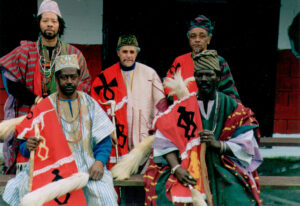
Image: Oyotunji via Wikimedia Commons. Source. Licence. Archive: 8 January 1993. Does not show the 2026 celebrations. Display versions may be resized or cropped.