Nigeria has confirmed a case of Ebola virus disease in Abuja after a woman who recently arrived from Uganda tested positive, prompting health authorities to begin tracing 44 people identified as her contacts.
The Federal Ministry of Health and Social Welfare announced the laboratory confirmation on Tuesday, 20 October. Coordinating Minister of Health and Social Welfare Muhammad Ali Pate said the government was working to contain the case and identify everyone who may have been exposed.
According to information released by the ministry, the patient began showing symptoms on 7 October and was admitted to a private hospital in the Federal Capital Territory on 11 October. Officials have not yet publicly disclosed her present condition, the laboratory that confirmed the infection or the specific Ebola virus strain involved.
The announcement changes Nigeria’s status after months of heightened surveillance linked to a major Ebola outbreak in the Democratic Republic of Congo and infections reported elsewhere in East Africa. Earlier in October, the Nigeria Centre for Disease Control and Prevention said there was no confirmed case in the country and outlined preparations for early detection, isolation, laboratory diagnosis, contact tracing and protection of health workers.
The immediate focus is now on the 44 identified contacts. Contact tracing allows response teams to determine who had relevant exposure to an infected person, monitor them during the virus’s incubation period and arrange testing and isolation quickly if symptoms appear. The World Health Organisation says the interval between infection and the onset of symptoms can range from two to 21 days.
Ebola is transmitted through direct contact with the blood or other bodily fluids of an infected person, whether living or dead, or through objects contaminated with those fluids. It is not spread through ordinary airborne transmission. Early symptoms can include fever, fatigue, muscle pain, headache and sore throat, followed in some cases by vomiting, diarrhoea, rash and impaired kidney or liver function. Bleeding occurs in some patients but is not present in every case.
The symptoms can resemble malaria, typhoid fever and other common illnesses, making travel and exposure history important for clinical assessment. Nigerians who have travelled from an affected country and develop compatible symptoms should not move between health facilities without guidance. The NCDC has advised people in that situation to call its helpline on 6232 or contact their state health ministry promptly.
Health workers have previously been asked to maintain a high level of suspicion, isolate suspected cases, observe infection prevention and control procedures and report through established public-health channels. Those precautions are especially important because the confirmed patient was admitted to a private hospital before her diagnosis.
Nigeria had strengthened border-health and national surveillance measures in response to the spread of the Bundibugyo Ebola virus in Central and East Africa. Kenya confirmed its first imported case earlier this month and has since reported nine infections linked to the initial cluster, while the Democratic Republic of Congo continues to confront a much larger outbreak.
The Federal Government had also advised regular hand hygiene, avoidance of direct contact with bodily fluids of symptomatic people and prompt reporting of unusual illness or deaths. Public-health agencies have urged calm and warned against misinformation, which can discourage people from seeking care or lead to the stigmatisation of patients and their contacts.
Authorities had not announced movement restrictions, school closures or a wider outbreak in Abuja as of Tuesday evening. One confirmed infection does not by itself establish community transmission, but the success of the response will depend on completing contact tracing, protecting health workers and publishing timely updates on test results and the patient’s clinical status.
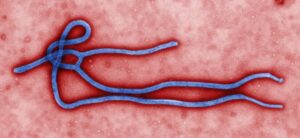
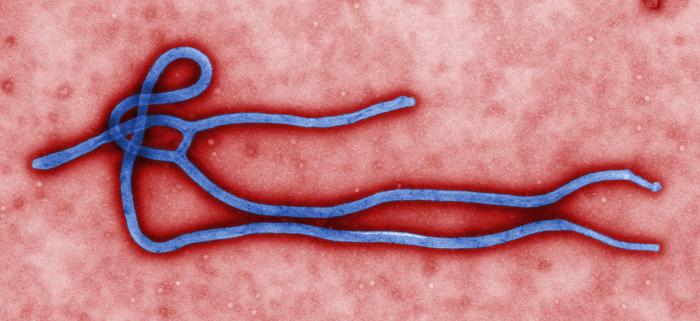
Image: CDC/Cynthia Goldsmith. Source. Public domain. CDC Public Health Image Library image 10816. Colourised scientific micrograph, not a sample from the reported Abuja case. Free source: CDC PHIL. Display versions may be resized or cropped.