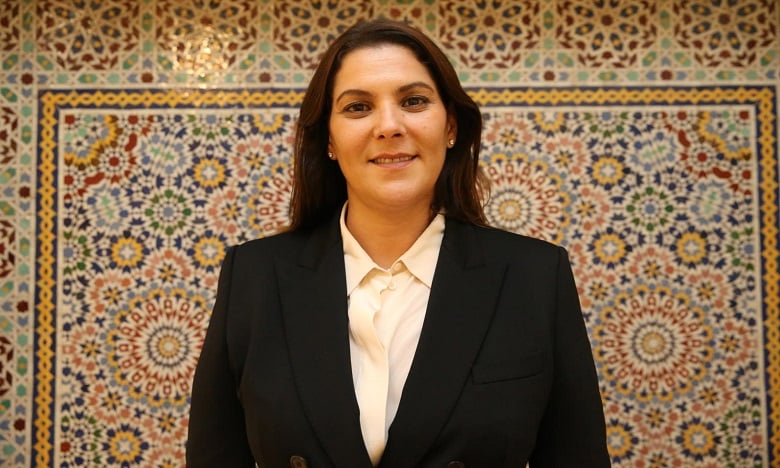
Morocco’s first woman prime minister, Fatima Ezzahra El Mansouri, has secured a four-party coalition with 207 seats in the 395-member House of Representatives, giving her the parliamentary majority needed to move ahead with forming a government.
The coalition agreement marks a decisive new stage after King Mohammed VI appointed El Mansouri as head of government following the September 23 parliamentary election. A majority requires 198 seats, meaning the alliance gives her administration a working margin of nine seats as it prepares to seek approval for a cabinet.
El Mansouri’s Authenticity and Modernity Party, known by its French initials PAM, emerged as the largest party in the election with 97 seats but fell well short of an outright majority. Negotiations with three other parties were therefore essential before the prime minister could present a credible governing programme.
The coalition said its partners were united by a shared reform agenda and would now turn to the next stage of proposing ministers. The cabinet must receive royal approval before the government can begin work.
Podium News previously reported that El Mansouri was appointed Morocco’s first woman prime minister. The new coalition agreement converts that historic appointment into a parliamentary mandate and shifts attention from symbolism to delivery.
A demanding national agenda
The incoming government faces pressure to respond to public concern over employment, education and healthcare. Those issues have featured prominently in youth-led demonstrations and in the political debate surrounding the election.
Morocco has invested heavily in transport, stadiums and other infrastructure as it prepares to co-host the 2030 FIFA World Cup with Spain and Portugal. The country is expected to oversee projects worth about $20 billion, creating a test of how effectively the government can balance global ambition with the everyday needs of citizens.
The task is particularly sensitive because large infrastructure programmes can generate growth and employment, but they can also sharpen public frustration if communities do not see improvements in schools, hospitals and household opportunities. El Mansouri’s coalition will be judged on whether it can connect high-profile investment to broader economic inclusion.
Migration is another immediate challenge. Morocco remains a major point of departure and transit for people trying to enter Europe, including through the Spanish enclave of Ceuta. Recent attempts by young Moroccans to cross the border have underscored the depth of economic anxiety among sections of the population.
The coalition must also work within Morocco’s constitutional monarchy. The elected government directs domestic policy, but the king retains extensive authority, including a central role in defence, foreign affairs and strategic appointments. That structure means the prime minister’s ability to deliver will depend on both parliamentary cohesion and effective coordination with the royal palace.
Historic first, practical test
El Mansouri’s rise remains a landmark for women’s political representation in Morocco and across the region. Her appointment broke a barrier at the highest level of government, while the coalition majority now gives her an opportunity to demonstrate political leadership beyond the symbolism of being first.
Her record will be measured against practical questions. Can the government create jobs for young people? Can it improve public education and healthcare while financing World Cup preparations? Can four parties maintain discipline when difficult spending choices arise?
Coalition governments often bring broader representation, but they can also produce internal bargaining that slows decisions. A nine-seat majority provides room to govern, although defections or disputes could still complicate major legislation. The composition of the cabinet and the distribution of key portfolios will offer the first indication of how power has been negotiated among the partners.
The coalition agreement also matters beyond Morocco. North African governments are navigating similar pressures from large youth populations, uneven job creation, rising living costs and demands for more responsive public institutions. A successful administration led by the region’s first woman prime minister could carry influence well outside the country’s borders.
For now, El Mansouri has cleared the central parliamentary hurdle. The next test is to present a cabinet that can command confidence and convert a historic political moment into measurable improvements in people’s lives.
Follow Podium News for further updates as Morocco’s proposed cabinet and governing programme are announced.