Seventeen people, most of them Catholic pilgrims travelling to a prayer site, were killed early on Saturday in a multi-vehicle crash on the highway linking Nairobi with Kenya’s coastal city of Mombasa.
Police said the collision occurred shortly after midnight in the Salama area after a truck driver attempted to overtake another truck but failed to complete the manoeuvre safely. The resulting crash involved several vehicles, including a van carrying the pilgrims.
The van’s driver and 16 passengers died at the scene, according to the police account. Most of the passengers were women. Authorities had not immediately released a complete list of the victims or further details about other people who may have been injured.
The group was travelling towards a prayer site in Nakuru County, west of Nairobi, according to Martin Kivuva, Archbishop of the Catholic Archdiocese of Mombasa. He expressed grief over the deaths and asked the faithful to pray for the victims and their families.
The scale of the loss is especially painful because the journey was communal and religious. Pilgrimages commonly bring together relatives, friends and members of the same parish, meaning a single crash can leave several households and an entire worshipping community bereaved at once.
Saturday’s incident also renews scrutiny of safety on busy intercity roads used by heavy trucks, public-service vehicles and private motorists. Night travel can make overtaking decisions more dangerous because visibility is reduced and drivers have less time to judge the speed and distance of approaching vehicles.
Investigators will need to establish the sequence of impacts, the condition of the vehicles, the speed at which they were travelling and whether fatigue, road design, visibility or mechanical problems contributed. The initial police account identifies an attempted overtaking manoeuvre, but a full investigation remains necessary before responsibility is finally assigned.
A journey that ended in collective grief
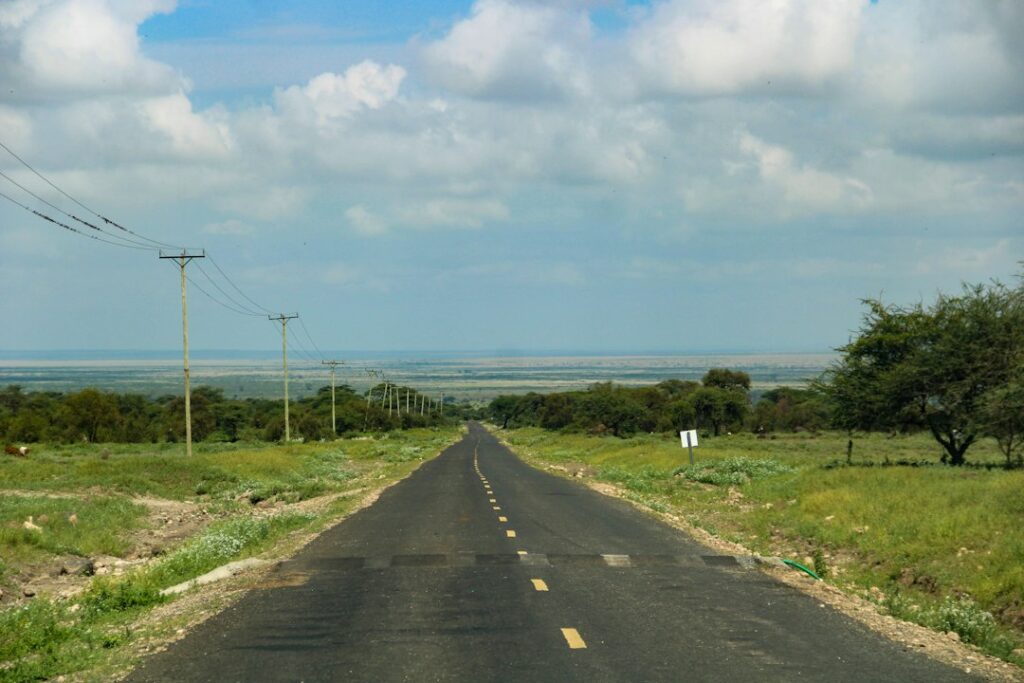
The Salama area lies on one of Kenya’s important transport corridors. The Nairobi to Mombasa highway carries passenger traffic as well as large numbers of freight vehicles serving the country’s main port and inland markets. Mixing heavy commercial traffic with vans and buses creates severe consequences when a collision occurs.
For families waiting for the pilgrims to reach their destination, the overnight timing may have deepened the shock. News of a fatal crash often arrives before relatives can confirm where loved ones have been taken, while emergency workers must identify victims and recover belongings from a badly damaged vehicle.
The Catholic Church is expected to support the affected families as arrangements are made for identification, transport and burial. Archbishop Kivuva said church leaders were saddened by the deaths and called for prayers for the repose of the victims’ souls and for those they left behind.
The tragedy is also a reminder that organised journeys need safety planning beyond hiring a vehicle. Passenger groups should be able to confirm that drivers are properly licensed and rested, that vehicles are roadworthy, that seat belts are available and used, and that schedules do not pressure drivers into excessive speed or risky overtaking.
Transport companies and fleet operators carry an equal responsibility. Drivers should not be rewarded for completing journeys faster than is safe, while operators must enforce rest periods, inspect vehicles and respond to reports of dangerous driving. Passengers should also have a clear way to challenge unsafe behaviour without fearing that they will be stranded.
Questions for the road-safety response
Major crashes frequently produce public mourning and demands for enforcement, but lasting improvements require transparent follow-through. Police and transport authorities should publish the outcome of the Salama investigation, including any mechanical findings and evidence about the overtaking attempt.
That information can help determine whether the response should focus on criminal accountability, vehicle inspection, road engineering, commercial-driver supervision or a combination of measures. Without published findings, lessons from one disaster may be lost before the next busy travel period.
Road design also deserves attention. Authorities should examine whether the crash location has adequate markings, lighting, warning signs and safe opportunities for overtaking. Where repeated collisions occur, engineering changes may save more lives than occasional enforcement operations alone.
Communities can contribute by refusing to normalise speeding and dangerous manoeuvres as unavoidable features of travel. Drivers face commercial pressure and difficult conditions, but every passenger has the right to reach a destination without being exposed to preventable risks.
As Kenya mourns the 17 people killed near Salama, the immediate priority is to identify the victims, support their families and establish a verified account of the collision. The longer task is to ensure that the findings produce practical changes on a corridor used by thousands of travellers every day.
Readers with verified information about the victims, the official investigation or community support efforts may contact Podium News. Unconfirmed names and images should not be circulated while families are still being formally notified.