Ethiopian federal forces and allied militias have taken control of Mekelle, the capital of the northern Tigray region, after the Tigray People’s Liberation Front announced its withdrawal from the city.
The change of control marks the most consequential development in a rapid federal counteroffensive against the TPLF-led opposition alliance. Three people in or close to Mekelle, including a resident and a humanitarian source, confirmed on Sunday that government-aligned forces controlled the city.
The TPLF said in a statement that it had retreated and that the regional administration would be “temporarily moved out of Mekelle and operate from somewhere else.” Ethiopia’s prime minister’s office had not issued an immediate public response to the reported takeover.
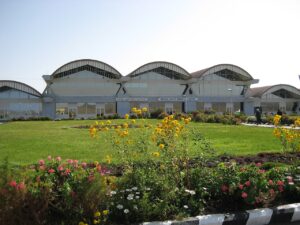
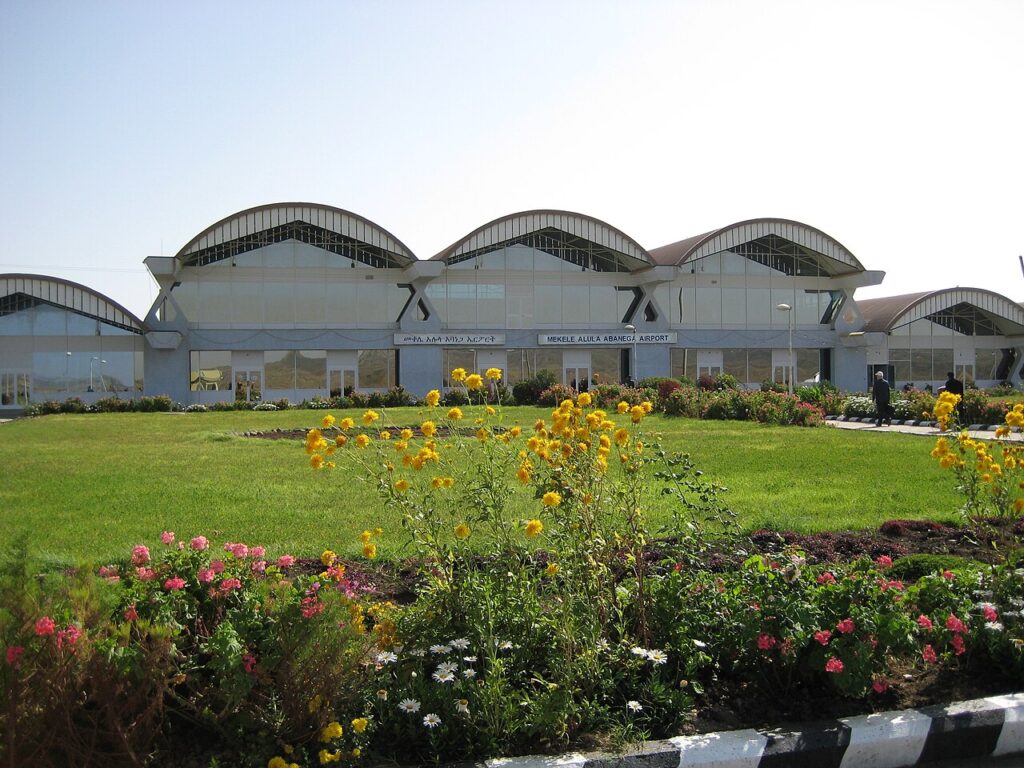
Federal forces entered the centre of Mekelle after government-aligned Tigray Peace Forces moved into the city on Saturday, according to a source close to the militia. Their advance followed the recapture of Alula Aba Nega Airport, which had been seized by TPLF fighters on 23 September.
The loss of Mekelle is a major setback for the TPLF, the dominant member of a coalition of opposition groups that launched an offensive against federal forces last month. The group has governed much of Tigray and played a central role in Ethiopia’s devastating civil war between 2020 and 2022.
Reports from inside the city remain difficult to verify independently because internet and telephone services have been severely disrupted. Residents have described fear of looting, shortages and a breakdown of normal services as control shifted between armed groups.
The renewed conflict has already displaced large numbers of civilians. Medical organisations reported sharp increases in wounded patients at hospitals in northern Ethiopia during the latest fighting, while humanitarian access has become more difficult across contested areas.
The United Nations warned when the present escalation began that the seizure of airports in Mekelle, Axum and Shire, together with fighting spreading into neighbouring areas, threatened a broader and more destructive conflict. It called on all parties to protect civilians and allow aid workers safe access.
The fighting threatens the Pretoria Agreement, the African Union-backed peace deal signed in November 2022. That accord ended a two-year war in which hundreds of thousands of people are estimated to have died through combat, hunger and the collapse of public services.
The political settlement remained fragile after the agreement. Disputes over regional leadership, territory, disarmament and the return of displaced people continued, while rival Tigrayan factions competed for control. Those unresolved tensions helped create the conditions for the latest confrontation.
The conflict also carries growing regional risks. Ethiopia has accused Eritrea, Sudan and Egypt of supporting forces opposed to Prime Minister Abiy Ahmed’s government. The three countries have denied the allegations.
Ethiopia recently closed its embassy in Eritrea and expelled Eritrean diplomats. Eritrea responded by severing diplomatic relations, raising fears that the fighting in Tigray could become entangled with disputes over borders, Nile waters and Ethiopia’s ambition for more secure access to the Red Sea.
The African Union has urged Ethiopia, Eritrea and Egypt to avoid rhetoric or actions that could worsen the crisis. Its calls for restraint reflect concern that another war in Africa’s second most populous country would add to instability already stretching from Sudan to the Red Sea.
Control of Mekelle gives the federal government and its allies an important political, administrative and logistical advantage, but it does not necessarily end the fighting. The TPLF has a long history of guerrilla warfare in Tigray’s mountainous terrain and could reorganise outside the regional capital.
The immediate test is whether government-aligned forces can restore order in Mekelle without reprisals, looting or harm to civilians. The treatment of residents, detainees and humanitarian workers will shape both the city’s security and the prospects for any return to negotiations.
Why it matters: Mekelle is the centre of political power in Tigray. Its capture changes the balance of the conflict, but it also creates a dangerous moment in which military victory could be followed by prolonged insurgency, civilian suffering and wider regional confrontation.
Podium News will continue monitoring official statements, humanitarian access and the security situation in Mekelle. Readers with verified information from affected communities may contact the newsroom, while claims circulating online should be checked carefully before being shared.