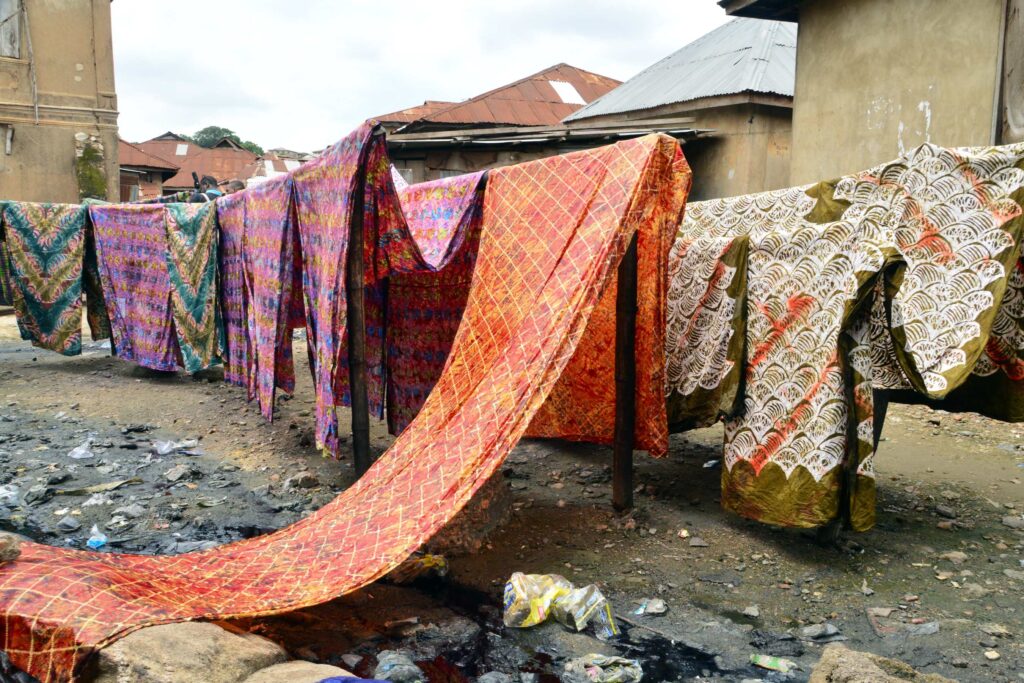
Bristol Museum & Art Gallery will host a free Adire family workshop on Saturday, 24 October, inviting families to turn Yoruba textiles into wearable creations. The Black History Month event, Wear Your Story, will be led by an artist identified by the museum as Tomi.
The session runs from 11am to 3pm in the first-floor Activity Room, according to the event listings published by Black History Month and Great West Way. It is a drop-in activity, with no booking required, and is suitable for families and children aged six and over.
Participants will work with pieces of Adire fabric to make objects they can take home. The museum lists bracelets, earrings, brooches, hair accessories, keyrings, bag charms and book covers among the possibilities. It says no previous craft experience is needed.
The programme centres on upcycling existing textiles. The published activity description promises making with pieces of cloth, rather than a complete demonstration of preparing indigo vats or producing a newly dyed length of fabric.
The museum places the workshop within the continuing role of Yoruba textiles in contemporary Black art, fashion and identity. Its announcement invites families to consider how patterns and adornment can carry cultural stories between generations while creating something of their own.
Adire is associated with resist-dyeing traditions in south-western Nigeria. The Victoria and Albert Museum describes historic examples as indigo-dyed cotton cloths, traditionally made and worn by Yoruba women. Two strips of cotton were often joined to form a wrapper.
The techniques protect selected parts of a textile from absorbing dye. Raffia bindings produce different arrangements of circles and lines, while stitching offers another means of controlling the pattern. Makers also use cassava-starch paste, applied by hand or through stencils, in the technique known as Adire eleko.
The V&A dates the technique to the nineteenth century and records the growing use of imported cotton shirting in the 1920s. Its collection includes textiles purchased in Ibadan during the 1960s, when Adire also found audiences beyond Nigeria and was tailored into garments such as men’s shirts.
For families planning a visit, children must remain accompanied by a parent or carer. The Great West Way listing notes that younger children will need support. Admission to the activity is free, with donations welcome.
The museum stands on Queens Road, just off Park Street, in Bristol. Its access information lists level entry through electronic doors beside the main entrance and a passenger lift serving public areas apart from Sea Dragons. Assistance dogs are welcome, and a wheelchair-accessible toilet is available.
Families with sensory or mobility requirements can consult the museum’s access guide and sensory map before travelling. Refurbishment of the British and World Wildlife Galleries is underway, with the galleries closed until summer 2027. The museum warns of possible equipment noise and smells from decorating materials during that work.
The museum’s travel guidance directs visitors to TravelWest for current bus information. There is no coach parking or waiting at the front entrance. The workshop’s published venue is Bristol Museum & Art Gallery, Queens Road, BS8 1RL.
Archive textile photograph: Omoeko Media, Abeokuta, 15 August 2018, CC BY-SA 4.0. It does not show the Bristol workshop or the materials supplied there. Source; licence. Resized for display.