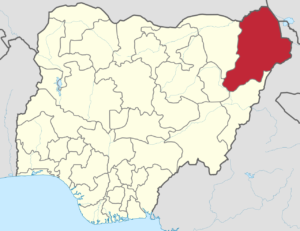
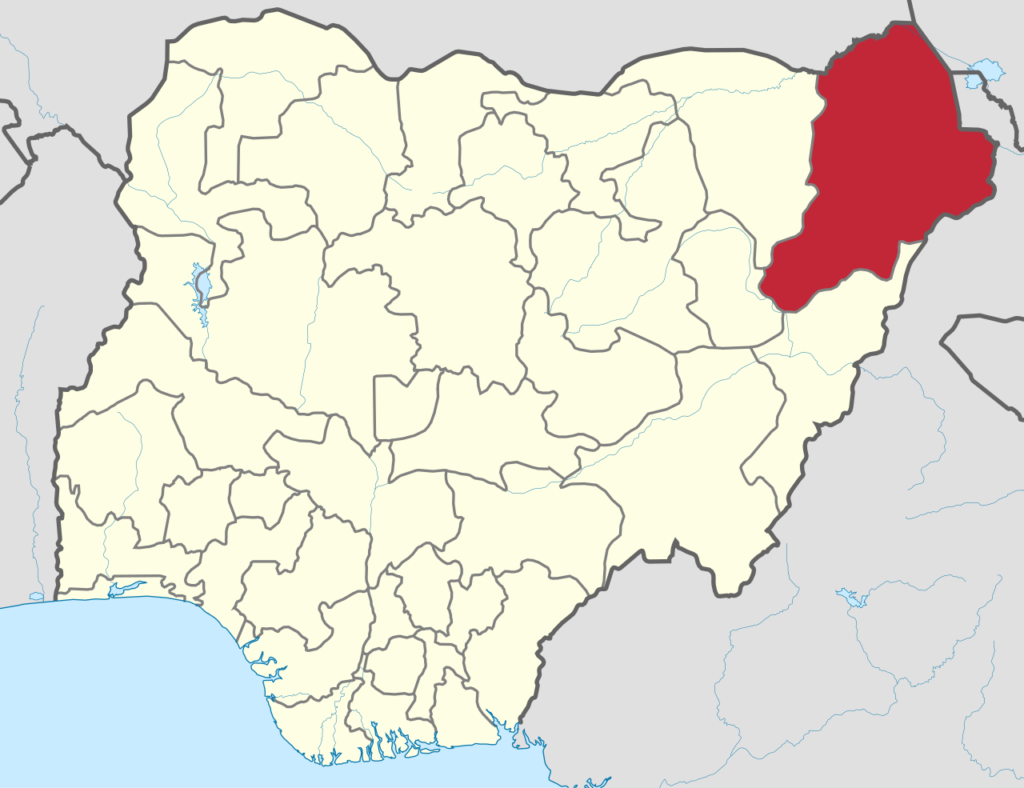
At least 15 farmers and firewood gatherers have been killed in a suspected Boko Haram attack in Marte Local Government Area of Borno State, police have confirmed, while security personnel search for three other residents who remain missing.
The violence occurred between Wednesday evening and early Thursday around the communities of Ala, Musune and Gummna, according to accounts from residents and human rights officials. Marte lies about 130 kilometres north-east of Maiduguri, the Borno State capital.
Borno State Police Command spokesperson Nahum Daso confirmed the death toll on Friday, 2 October. He said the command was still gathering information and working to establish the whereabouts of the missing residents.
Daso said a preliminary report from the divisional police officer indicated that 15 people had been killed by suspected Boko Haram or Islamic State West Africa Province fighters. Commissioner of Police Nasiru Abdulmajid has ordered an investigation, according to the command.
The victims were reported to have been tending their farms or collecting firewood when they were attacked. They included younger men, married residents and elders whose livelihoods depended on access to farmland and surrounding bush areas.
Community members recovered the bodies and buried them on Thursday in accordance with Islamic rites. Police had not publicly identified the victims at the time of writing, and details about the three missing people remained limited.
Attack strikes at everyday survival
The killings underline the dangers faced by civilians whose survival requires them to travel beyond protected settlements. In many rural communities, farming and collecting firewood are not optional activities. They provide food, cooking fuel and the small incomes on which families depend.
That makes attacks on farmers particularly damaging. Beyond the immediate loss of life, fear can keep residents away from fields, interrupt harvests and reduce the food available to local markets. Families may also lose their main earners and become more dependent on humanitarian support.
Residents in conflict-affected parts of Borno have repeatedly had to weigh the need to work against the danger of travelling through exposed areas. The latest attack shows how insecurity can turn routine economic activity into a life-threatening decision.
Amnesty International condemned the killings and described the targeting of civilians as a grave violation of international humanitarian law. The organisation said the victims had entered the surrounding bush to gather firewood for household use or to earn a living.
It called on Nigerian authorities to take immediate, transparent and human-rights-compliant measures to protect vulnerable communities in the north-east.
Police investigation under way
The identities of those responsible have not been independently established. Police and local accounts attributed the attack to suspected Boko Haram or ISWAP fighters, but the investigation was continuing and no group had publicly claimed responsibility when this report was prepared.
The distinction matters in a region where multiple armed factions operate and where early accounts can change as security agencies obtain more information. Authorities will need to establish how the attackers reached the communities, whether warnings were available, and what protection can be provided to residents who must continue farming.
Boko Haram began its armed insurgency more than a decade ago, and the conflict has since fractured into rival factions. Military operations have recovered territory and disrupted militant networks, but civilians in remote areas remain exposed to raids, abductions and attacks on farms and transport routes.
Marte and surrounding communities sit within the wider Lake Chad region, where difficult terrain, porous borders and limited communications complicate security operations. A delayed flow of information can also slow emergency response and make it harder to verify casualties quickly.
Protection must extend beyond town centres
The public-interest question now extends beyond the investigation into the killings. Communities need practical arrangements that allow people to reach farms and collect essential supplies without facing an unacceptable risk of attack.
Such protection may require stronger patrols around farming routes, better local intelligence, reliable communication channels and closer coordination between residents, police, the military and civilian emergency structures. Any response must also protect human rights and avoid placing already vulnerable communities under additional pressure.
Authorities must account for the three missing residents and provide verified information to their families as soon as possible. Survivors and bereaved households will also need immediate support, including security, food assistance and help with funeral and livelihood costs.
The deaths in Marte are a reminder that the human cost of the insurgency is often borne by people carrying out the most ordinary tasks. For the affected families, the attack is not simply another security statistic. It is the loss of relatives, income and a sense of safety in the places where they live and work.
Podium News will continue to monitor official updates on the missing residents, the police investigation and measures announced to protect farming communities in Borno State.