The Universal Basic Education Commission, UBEC, will commence a 10-year overhaul of Nigeria’s basic education system in October, introducing a new intervention model designed to address the comprehensive needs of individual schools.
Under the Universal Basic Education Roadmap 2026-2035, states will no longer be expected to focus on isolated interventions such as classroom blocks or furniture where other critical deficiencies exist in the same schools.
The new approach, described by UBEC as the whole school approach, requires State Universal Basic Education Boards, SUBEBs, to identify and address the comprehensive needs of schools before their action plans are approved for funding.
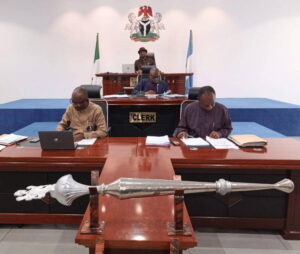
UBEC Executive Secretary, Dr Aisha Garba, disclosed this yesterday in Abuja at a two-day consultative workshop involving chairmen of the 36 SUBEBs and UBEC directors.
She also unveiled the Basic Education Action Plan Management System, BEAPMS, a digital platform designed to strengthen planning, transparency, monitoring and public accountability in the implementation of basic education projects.
Garba said the reforms were aimed at moving UBEC away from executing disconnected projects that failed to address the broader requirements of schools. According to her, interventions would henceforth be based on the actual needs of individual schools rather than the execution of isolated projects.
She said for any state to do renovation, it has to do a whole school approach, which means taking a school and looking at all the gaps. She added that states should not just put in furniture or drop two blocks of classrooms and leave because they want to give out awards, but must address all the comprehensive needs of that particular school.
Garba said the BEAPMS digital platform will allow communities to monitor interventions in their schools and hold authorities accountable for funds accessed and quality of projects.