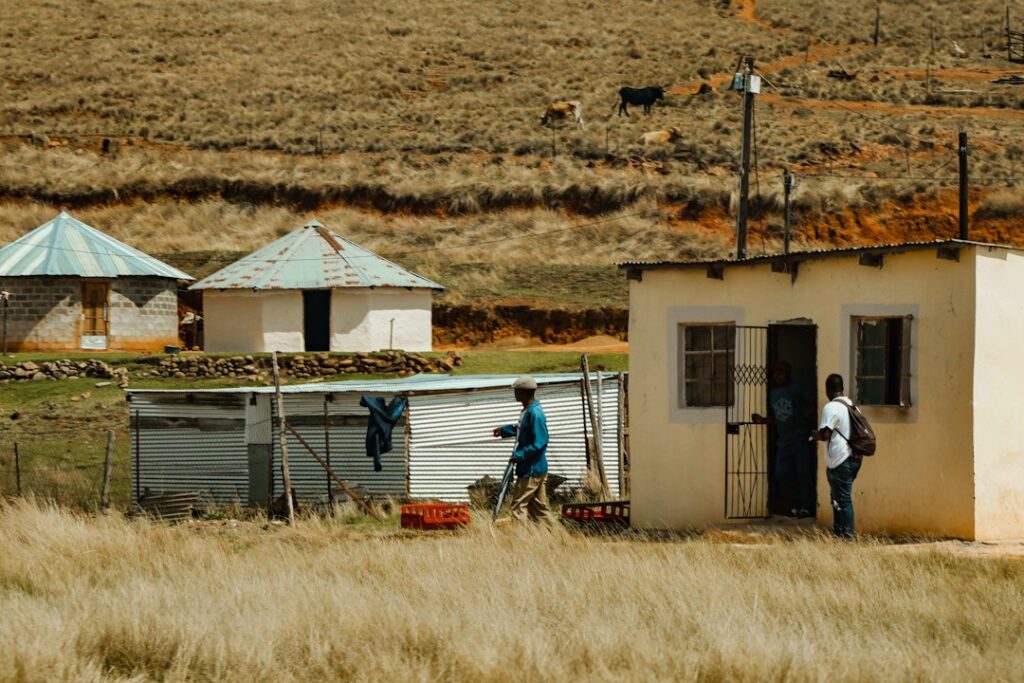
A United Nations report has cited Nigeria’s rural solar programme as an example of how targeted subsidies and private investment can expand electricity access, saying the initiative has connected more than five million people and created over 5,000 green jobs.
The findings appear in the World Social Report 2026, released by the United Nations Department of Economic and Social Affairs. The report says the Nigeria Electrification Project supported the establishment of 125 mini-grids and the sale of more than one million solar home systems.
It presents the programme as a case in which subsidies for rural mini-grids lowered costs for poorer communities while drawing private companies into electricity provision.
The report’s figures are based on World Bank data from 2023. The Nigeria Electrification Project predates President Bola Tinubu’s administration, having been developed under the previous federal government with World Bank and African Development Bank support. Its implementation has continued through the Rural Electrification Agency, while the present administration has moved to expand the model through a successor programme.
Expansion under the current administration
The Tinubu administration is implementing the Distributed Access through Renewable Energy Scale-up programme, known as DARES, through the Rural Electrification Agency. Its implementation framework covers privately operated solar hybrid mini-grids, stand-alone solar systems and distributed energy for underserved communities and businesses.
President Tinubu said in January 2025 that the Federal Government was preparing to use $750 million in World Bank support to expand distributed electricity through mini-grids and stand-alone solar systems. The World Bank financing is intended to attract additional private investment rather than fund all installations directly.
The administration’s National Energy Compact also places distributed renewable energy among the measures intended to extend electricity to communities that remain outside reliable grid supply.
The new UN assessment does not attribute all five million connections to the current government. Its value for the administration’s record lies in the continuation and planned expansion of an existing federal programme whose earlier phase has now received international recognition for measurable results.
What the UN report measured
The report examined economic transformation and social inclusion across 168 countries, using data covering the period from 2000 to 2024. Nigeria received a transformation score of 44.30 and an inclusiveness score of 56.36.
In its discussion of energy access, the UN argued that growth in renewable power must be supported by regulation, financing and safeguards for households that cannot afford the full cost of connection. It identified targeted subsidies, lifeline tariffs and pay-as-you-go systems as possible ways of widening access.
Nigeria and Ghana were also cited for efforts to combine solar electricity generation with agricultural land use. The approach allows farmers to continue food production while solar panels generate electricity, potentially supporting irrigation, storage and other rural economic activity.
The report cautioned that economic growth and technological progress do not automatically reach vulnerable communities. It said governments need institutions capable of planning, regulating and financing energy transitions while ensuring that lower-income households are included.
Nigeria still faces a large electricity-access deficit, and millions of homes and businesses rely on generators or have no dependable supply. The DARES implementation manual sets further connection targets for mini-grids and other off-grid systems, but those targets remain future deliverables rather than completed results.
The five million figure recognised by the UN therefore records the outcome of the earlier Nigeria Electrification Project. The next measure of the current administration’s performance will be how many additional households and businesses receive functioning connections through DARES, at what cost and with what level of reliability.