Lagos hypemen and hypewomen are moving from the edges of parties and concerts into a more visible place in Nigerian popular music, developing a performance style increasingly described as Afrohype or lamba.
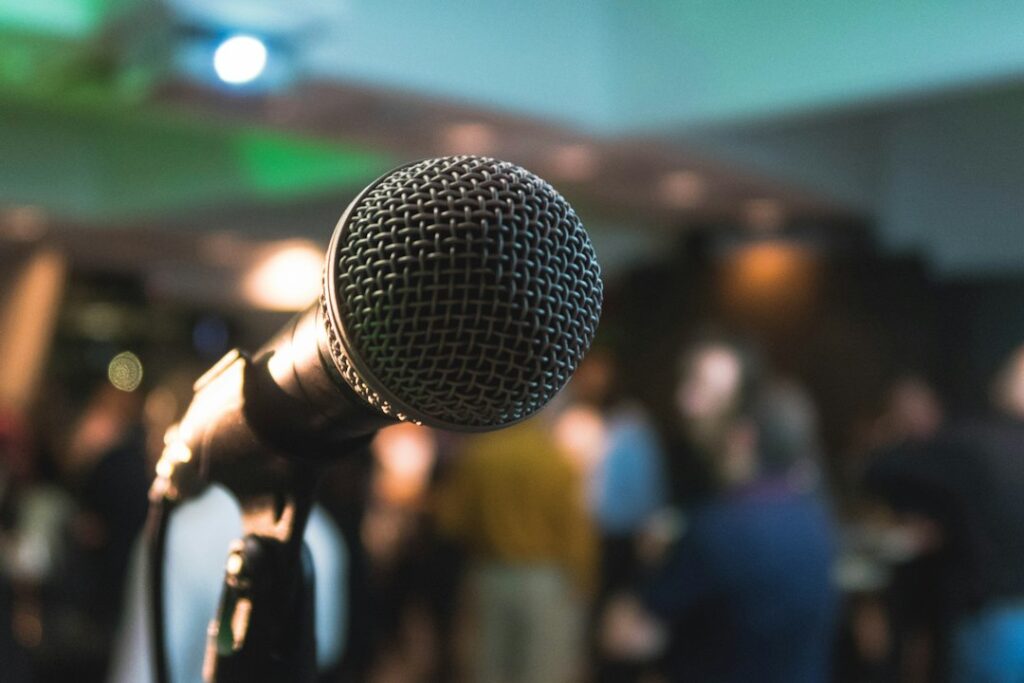
The form combines improvised chants, comic phrases, call-and-response, vocal effects and short bursts of speech over instrumentals. Its performers do not simply introduce musicians. They work between the disc jockey, the music and the audience, using the microphone to lift energy, fill pauses and direct the mood of a room.
One of the leading figures is Toby Shang, the stage name of Tobi Michael Adeyeye. His route into the profession began before Afrohype had acquired a clear name. He worked as an energiser in a school band and later became known at the University of Lagos for his ability to hold an audience during presentations and gatherings.
A recent Guardian interview traced the “Shang” name to a university presentation about China’s Shang dynasty. Adeyeye said the nickname stayed with him and eventually became his professional identity. By his final year, his catchphrases and stage work had begun circulating beyond the campus.
His song “Shedibalabala” helped move the performance beyond event hosting into recorded music. He has since released two extended plays, organised a rave and established the School of Hype, a one-day training programme supported by online mentoring for aspiring performers.
The emergence of formal training marks a change in how the work is treated. For years, hyping was often regarded as an informal addition to disc jockey sets, weddings and nightclub performances. As the field has expanded, performers have begun developing individual vocal signatures, catchphrases, recordings and branded events.
Afrohype also reflects older performance practices. Call-and-response is central to many Yoruba musical traditions, from dùndún and fújì performances to praise singing and popular theatre. A lead voice prompts a response, names people in the gathering or adjusts words to the occasion. The contemporary hypeman works with electronic music and nightclub sound systems, but the interaction between performer and audience has a long cultural history.
Similar roles exist elsewhere in Africa. In Congolese popular music, the atalaku uses shouted phrases and dance instructions to animate songs and performances. Across Nigeria, masters of ceremonies, praise singers and bandleaders have long improvised around the people and events before them.
What distinguishes the current Lagos movement is its relationship with Afrobeats, social media and modern nightlife. A phrase delivered at a party can be clipped into a short video, repeated by audiences and turned into a recorded track. Performers can build an identity through Instagram, TikTok and event appearances without following the conventional route of a singer or rapper.
The work has also grown beyond clubs. Hypemen now appear at wedding after-parties, concerts, corporate events and private celebrations. Some performers record personalised birthday hypes, creating short commissioned performances for people they may never meet in person.
The business remains strongly personality-driven. Voice control, timing and a quick reading of the room are as important as volume. A performer must know when to speak over an instrumental, when to leave space for a chorus and when an audience needs a different pace.
The scene is still predominantly male, but women are part of its development. The wider African field includes performers such as Cameroon’s Lady Ponce, while Nigerian hypewomen have worked to establish themselves in spaces where the public image of the hypeman has usually been masculine.
The growth of Afrohype has not removed criticism. Some listeners consider the performance intrusive, especially when repeated chants overwhelm the music or rely on offensive jokes. Cultural critic Dami Ajayi told the Guardian that the form depends on verbal skill and microphone control, while also noting that some performers use risqué or misogynistic lines.
That tension places greater importance on training and professional standards. As performers move into corporate events, international shows and recorded releases, their language and crowd management can affect both their own reputations and those of the organisers who employ them.
Afrohype is developing at a time when Lagos nightlife is producing several alternatives to the traditional nightclub. Raves and dance-led gatherings have attracted younger audiences seeking spaces centred on music and participation rather than expensive tables. In that environment, the hypeman’s ability to make a crowd part of the performance has commercial value.
The style is also another example of how the Nigerian music industry creates roles around its headline artists. Disc jockeys, dancers, producers, event hosts and content creators all contribute to the experience that surrounds Afrobeats. Afrohype gives one of those supporting roles a sound, an audience and a possible career structure of its own.
Toby Shang’s progression from university gatherings to recordings, events and training illustrates that change. The microphone work once treated as background entertainment is becoming a recognisable strand of Lagos performance culture, shaped by older African audience traditions and the rapid circulation of new phrases online.