Africa’s top public-health agency and Congolese authorities have demanded a full account of more than $700 million in Ebola-response funding that has not been explained in financial reports, as the continent’s fastest-growing outbreak continues to spread across borders.
The Africa Centres for Disease Control and Prevention said about $962 million had been disbursed globally for the response to the Democratic Republic of Congo’s outbreak, but organisations working on the ground had accounted for only about $228 million.
The gap does not by itself establish that the money was stolen or diverted. It means the financial information submitted by recipient organisations has not shown clearly how most of the reported disbursement was spent, prompting demands for detailed records and an investigation by Congolese authorities.
Only about one-third of the organisations involved presented financial reports at a recent meeting called by Congo’s Health Ministry, according to information provided by Africa CDC and Congolese officials. The government has limited operational authorisations to 25 non-governmental organisations while it examines allocations and the work attributed to funded partners.
The accountability dispute has emerged during Congo’s largest and deadliest Ebola outbreak. The country’s situation report recorded 9,415 confirmed cases and 4,536 deaths by 16 October, after 67 infections and 26 deaths were added in 24 hours.
The outbreak, caused by the Bundibugyo strain of the virus, has spread to eight Congolese provinces. Kenya has confirmed eight cases linked to the regional outbreak, while Uganda recorded 20 cases and two deaths before declaring its outbreak over in August.
Kenya’s latest patient is a 49-year-old hospital attendant who had cared for the country’s first confirmed patient. The attendant was already in quarantine when symptoms developed and testing confirmed the infection. Kenyan health authorities said the six surviving patients were stable and 128 identified contacts remained in quarantine.
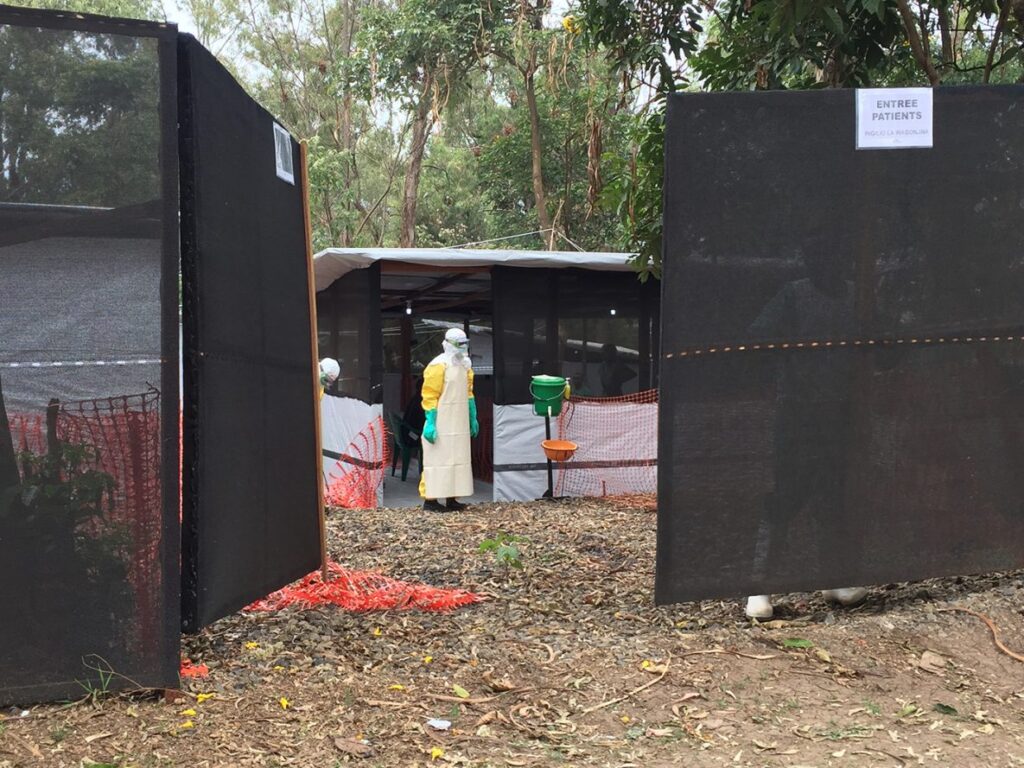
The funding questions are particularly sensitive because frontline health and support workers in eastern Congo have protested over unpaid salaries, delayed bonuses and dangerous working conditions. Effective Ebola control depends on trained staff being available for surveillance, laboratory testing, isolation, treatment, contact tracing, safe burials and public communication.
Workers operating without reliable pay or protective equipment face direct exposure to infected blood and other bodily fluids. Interruptions in staffing can also delay the identification of patients and weaken the daily monitoring of contacts during the period in which symptoms may develop.
The Bundibugyo strain has no approved vaccine or specific treatment. Medical teams rely on early detection, isolation and supportive care, while experimental prevention and treatment products are being studied. That makes basic response capacity, including protective equipment, transport, laboratories and staffed treatment centres, central to reducing deaths and interrupting transmission.
Financial transparency also affects public cooperation. Earlier outbreaks in Congo were accompanied by allegations of corruption and poorly managed aid. Health specialists have repeatedly warned that mistrust can deter families from reporting symptoms, disclosing contacts or accepting safe-burial procedures.
The present epidemic has already been complicated by armed conflict, displacement and population movement in eastern Congo. It has also crossed national borders, requiring coordination among governments rather than a response confined to one country.
Kenya has strengthened airport and border screening, introduced an emergency hotline and placed contacts of its first patient under observation. Tanzania has required health declarations and 21-day monitoring for travellers arriving from countries judged to be at high risk.
Africa CDC and Congo’s government are now seeking financial records that connect spending to identifiable response work. That accounting must distinguish money announced or pledged from money actually disbursed, and funds transferred to organisations from expenditure supported by invoices, payroll records and completed activities.
The more than $700 million figure therefore represents an unresolved reporting gap, not a final finding that all of the money is missing. Establishing what was transferred, which organisations received it and what services were delivered will require the detailed financial submissions officials have requested.
The scrutiny comes while case numbers are still rising and treatment teams remain under pressure. Congo recorded 67 additional confirmed infections in the 24 hours covered by its 16 October situation report, with Ituri province accounting for 44 of them.
Authorities have not announced a completion date for the funding investigation. The immediate demand is for organisations involved in the response to provide sufficiently detailed accounts of their receipts and spending while health teams continue work across the eight affected Congolese provinces.