
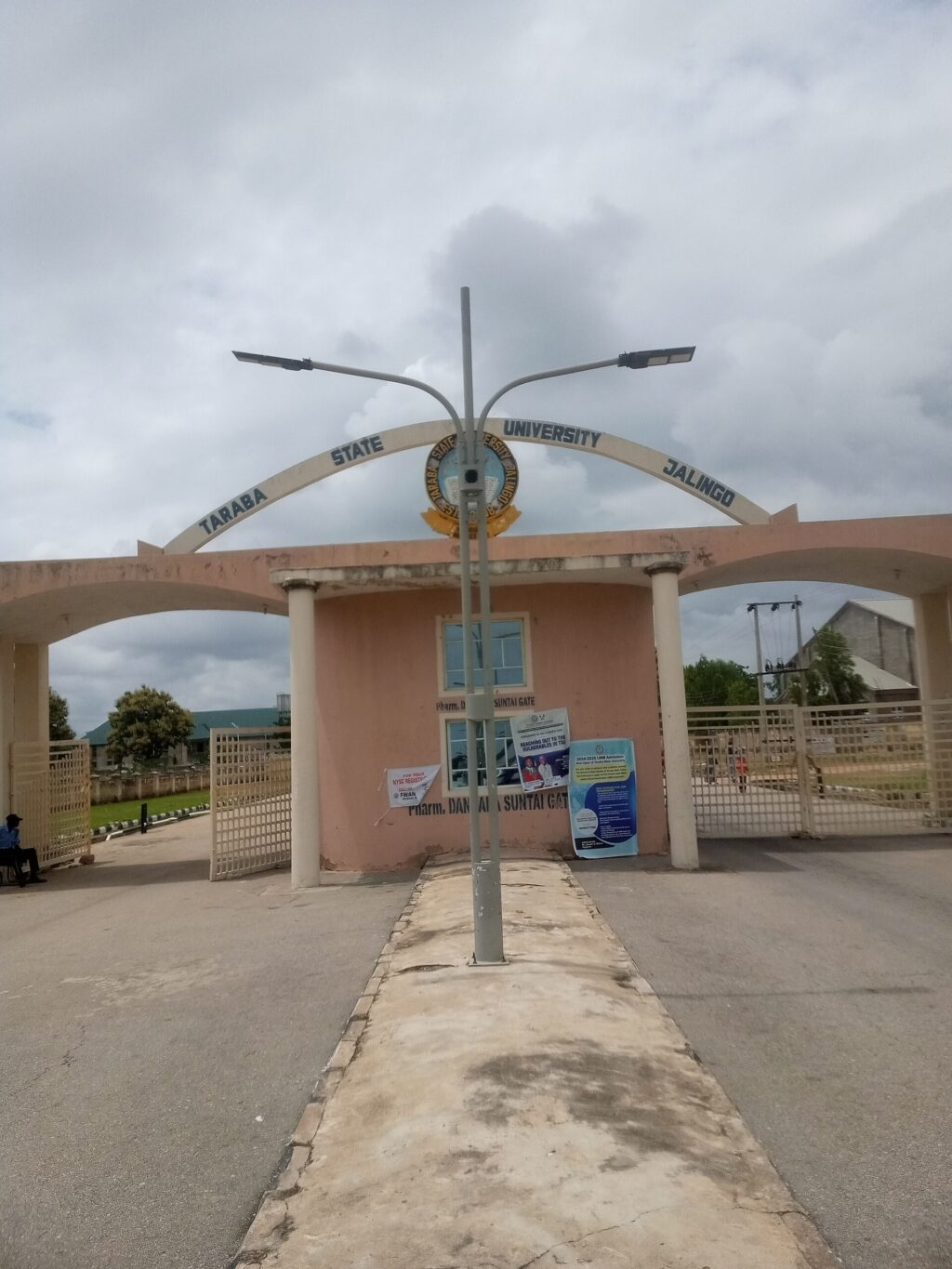
Academic activities at Taraba State University in Jalingo have been halted after lecturers began a total and indefinite strike, reopening a dispute over unpaid entitlements and an agreement that previously brought staff back to work.
The Taraba State University chapter of the Academic Staff Union of Universities said the industrial action took effect immediately on Monday, 12 October 2026. The branch accused the state government of failing to implement the 2025 Federal Government-ASUU remuneration framework and of leaving salary arrears and other academic allowances unpaid.
Branch chairman Dr Joshua Garba Mbave said the stoppage was total and comprehensive. The union had repeatedly warned that lecturers would withdraw their services if the government did not meet commitments made during negotiations.
The state government had requested additional time after an earlier strike notice expired, and the union granted a two-week reprieve at the end of September. That extension has now elapsed without a settlement considered sufficient by lecturers.
No detailed response from the Taraba State Government to Monday’s declaration was publicly available when this report was prepared. The absence of an immediate resolution leaves students and families facing uncertainty over lectures, examinations and the academic calendar.
A settlement that did not hold
The latest shutdown is not an isolated confrontation. Lecturers at the university began another strike on 18 February 2026 and suspended it one month later after the union, university management and state government signed a memorandum of action.
At the time, ASUU said it was returning to work in recognition of government commitments and would monitor whether the agreement was implemented. The earlier grievances included salary backlogs, earned academic allowances, the absence of a pension scheme and concerns about staff welfare.
The state government initially offered N200 million towards the backlog, followed by monthly payments of N100 million. The amount was later increased to N500 million after the union said the earlier proposal was inadequate.
By July, however, the branch was again warning that key parts of the wider 2025 agreement had not been implemented. It specifically listed the Consolidated Academic Tools Allowance, Professorial Allowance, Earned Academic Allowance and outstanding arrears among its demands.
The union maintained that these were existing obligations rather than new requests. In its public warnings, it said the issues had been negotiated and documented but had not received the required action.
Students bear the immediate cost
For students, an indefinite strike can mean suspended classes, postponed assessments and delayed graduation. The disruption also creates additional living costs for those who remain in Jalingo while waiting for information about when teaching will resume.
Parents who budget around a fixed academic calendar may face extra accommodation and transport expenses. Final-year students are particularly exposed because delays can affect participation in national service, postgraduate admissions and employment plans.
The dispute also raises questions about the reliability of negotiated settlements. When a memorandum brings a strike to an end but its terms are not implemented to the satisfaction of the parties, the institution can return to crisis within months. That pattern weakens confidence among staff and students and makes future agreements harder to enforce.
Taraba State University was established by the state government in 2008 to widen access to higher education and support the state’s social and economic development. Repeated shutdowns work against that mission, particularly for students who may have limited alternatives.
The disruption arrives as Nigerian public universities continue to confront pressure over salaries, infrastructure, staff retention and the division of responsibility between federal and state authorities. Although national negotiations may establish remuneration expectations, state-owned institutions depend heavily on the willingness and financial capacity of their respective governments to implement them.
What needs to happen next
A durable resolution will require more than another promise to resume payments. The government and union need a transparent implementation schedule identifying the amounts owed, the allowances covered, payment dates and a mechanism for monitoring compliance.
University management should also provide students with clear guidance on lectures, examinations, accommodation and any changes to the academic calendar. Silence leaves room for rumours and makes it difficult for families to plan.
The strike is therefore both a labour dispute and a test of public accountability. The immediate priority is getting students back into classrooms, but any agreement must address the underlying financial obligations if another shutdown is to be avoided.
Podium News will continue to monitor responses from the Taraba State Government, university management and ASUU, including any negotiations or revised academic timetable.





