Veteran actor Olu Jacobs has been laid to rest in Lagos, bringing Nigeria’s film and theatre community together for a final farewell to one of the most influential performers in the history of Nollywood.
The funeral service was held on Friday, 2 October, at This Present House on Freedom Way in Lekki, before a private interment. Jacobs died on 16 September at the age of 84 after a career that crossed British theatre and television, international cinema and more than five decades of Nigerian screen storytelling.
His widow, acclaimed actor and director Joke Silva, attended with their sons, Olusoji and Olugbenga Jacobs. Relatives, colleagues, friends, public officials and generations of performers filled the church, where shades of green formed a visual tribute to the man widely known as the Lion of Lufodo.
Among the dignitaries present were Lagos State Deputy Governor Obafemi Hamzat and his wife, Oluremi Hamzat; Lagos State First Lady Ibijoke Sanwo-Olu; former Ogun State Governor Ibikunle Amosun; and former Ekiti State First Lady Bisi Adeleye-Fayemi.
Actors and other creative-industry figures at the service included Kate Henshaw, Ireti Doyle, Lala Akindoju, Shaffy Bello, Keppy Ekpeyong, Stan Nze, OC Ukeje, Patrick Doyle and Stephanie Linus. Singer Dare Art Alade performed his song “Pray for Me” during the ceremony.
A farewell shaped by faith and gratitude
The service combined hymns, scripture readings and reflections on Jacobs’ life as an artist, husband, father and mentor. One of his sons presented his biography, tracing the journey from an ambitious young performer to a figure whose voice, presence and discipline became familiar across Africa.
Pastor Tony Rapu, who officiated, told the congregation that “death reminds us of the journey of life and the meaning of our existence”. Other tributes described Jacobs as a performer of unusual depth whose influence would survive beyond his final screen appearance.
The funeral followed a Night of Tributes at Glover Memorial Hall earlier in the week. There, colleagues including Richard Mofe-Damijo, Sola Sobowale, Funke Akindele, Jide Kosoko, Adebayo Salami and Hilda Dokubo gathered to remember not only Jacobs’ performances but also the encouragement and professional example he gave younger artists.
For many in the industry, the ceremonies were less a retelling of a filmography than an acknowledgement of the standards he helped establish. The repeated descriptions of Jacobs as a mentor and pathfinder reflected a legacy that extended beyond starring roles.
From British stages to a Nollywood institution
Born Oludotun Baiyewun Jacobs, the actor trained at the Royal Academy of Dramatic Art in London and worked in British theatre and television before returning to Nigeria. His international experience gave him a distinctive command of language, movement and character that later became central to his screen identity.
He was especially celebrated for authoritative roles as kings, chiefs, fathers and political figures. Yet the apparent ease of those performances sometimes concealed the range behind them. Across theatre, television and film, he could move between dignity, humour, menace and vulnerability without losing the restraint that defined his craft.
Jacobs emerged as one of the recognisable faces of Nollywood during the industry’s formative video-film era. His presence helped give productions credibility at home and abroad, while his performances introduced audiences across the continent to a style of Nigerian storytelling rooted in both theatrical discipline and popular culture.
He and Joke Silva built an enduring creative partnership through the Lufodo Group and the Lufodo Academy of Performing Arts. Their work created a pathway for training performers and strengthening the professional foundations of the industry. That institution may prove as important to his legacy as any individual film.
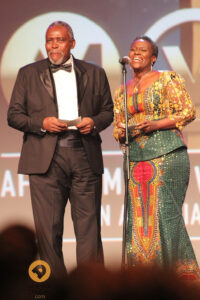
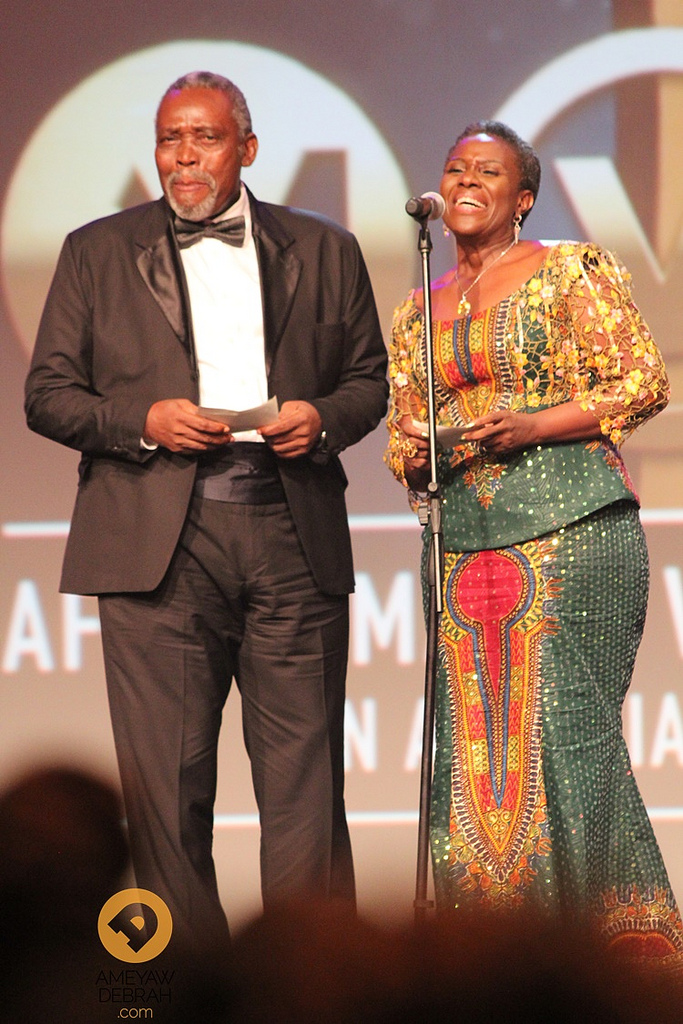
Jacobs received major honours during his career, including the Africa Movie Academy Award for Best Actor in a Leading Role and a later lifetime achievement recognition. The awards reflected what colleagues had long understood: he was not simply a prolific actor but one of the artists who helped define the authority and ambition of modern Nigerian cinema.
A legacy larger than the final curtain
Tributes poured in after his death was announced, with political leaders and entertainment figures describing him as a cultural icon. The funeral completed the formal rites, but the wider conversation about his contribution will continue through the actors he trained, the institutions he helped build and the performances that remain available to new audiences.
His story also reflects the international character of Nigerian creativity. Jacobs absorbed experience from established British institutions, developed a career beyond Nigeria and then invested his knowledge in an expanding local film industry. That journey helped connect Nollywood’s ambitions with a broader tradition of professional theatre and screen acting.
As his family, colleagues and admirers said their final farewells in Lagos, the strongest message was one of gratitude. Olu Jacobs leaves behind a body of work, a training legacy and an example of artistic discipline that will remain part of Nigerian cultural history.
Call to action: Which Olu Jacobs performance left the strongest impression on you? Share your memories and the lessons you believe younger Nigerian actors can learn from his career.