
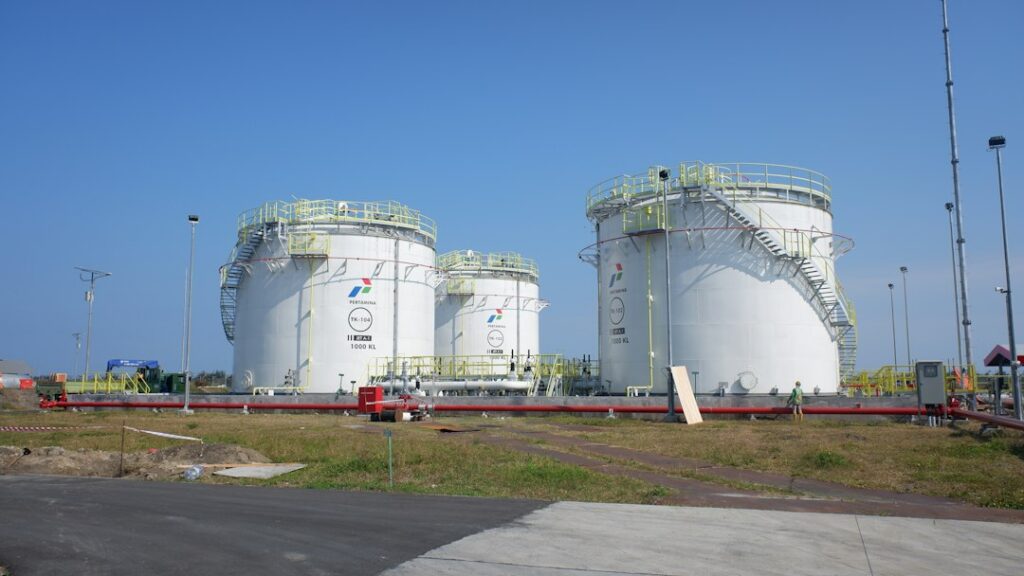
Oil prices have begun to retreat after the Group of Seven industrialised nations agreed to release 100 million barrels of crude oil and diesel from emergency reserves, offering short-term relief to households and businesses facing soaring energy costs.
The coordinated intervention will run over four months and include a substantial release of diesel within the first 20 days. G7 leaders said implementation should begin immediately, while countries also pledged not to impose export restrictions on energy products traded among the group.
The decision follows sharp increases in crude oil and refined-fuel prices linked to the conflict involving the United States, Israel and Iran, disruption to Middle Eastern supply routes and continued pressure on global refining capacity.
Fatih Birol, executive director of the International Energy Agency, said oil prices had fallen by about five dollars following the announcement. The agency will coordinate the release and consult member countries on the distribution of the emergency stocks.
Market prices reflected the initial easing in supply fears. Brent crude moved lower, while diesel-related contracts in Europe and the United States recorded steeper falls. The response suggests traders expect the front-loaded release of refined fuel to address some of the most immediate shortages.
Diesel has become a particular concern because it powers trucks, buses, agricultural machinery, construction equipment and industrial generators. A sustained rise in diesel prices quickly spreads through an economy by increasing the cost of transporting food, running factories and delivering essential goods.
G7 leaders said the intervention was intended to stabilise supplies, protect households and businesses from price shocks and restore confidence in energy markets. They also called for refinery maintenance schedules to be coordinated so that too much capacity is not taken offline at the same time.
The group encouraged countries with significant refining capacity to increase output where possible. This reflects the fact that the current challenge is not simply a shortage of crude oil. Markets also need sufficient refineries, shipping capacity and secure routes to turn crude into usable petrol, diesel and aviation fuel and move those products to consumers.
For Nigeria, the impact is mixed. As a major crude oil producer, the country can benefit when international oil prices rise because export earnings and government revenue may increase. A sustained price fall, however, can reduce those receipts and complicate budget planning.
At the same time, Nigerian businesses and consumers remain highly exposed to the cost of refined petroleum products, transport and imported inputs. Lower international diesel prices could ease operating costs for manufacturers, logistics companies, farmers and small businesses that depend on generators or road transport.
Any relief at Nigerian filling stations would not necessarily be immediate or equal to the movement in global markets. Domestic prices are also shaped by the exchange rate, refinery output, import and distribution costs, taxes, storage, competition and the timing of fuel purchases by suppliers.
The intervention therefore matters to Nigeria both as an exporter and as a large energy-consuming economy. A moderate price environment may reduce inflationary pressure, but a deep fall in crude prices could weaken public revenue. Policymakers must manage both sides of that exposure.
Emergency reserves are designed for severe disruptions rather than routine price management. Releasing them can calm markets and bridge a temporary shortage, but the stocks are finite and must eventually be replenished. If geopolitical tensions worsen or supply remains constrained, governments could face another difficult decision about how much emergency protection to retain.
The latest release follows an earlier large intervention coordinated through the International Energy Agency this year. The repeated use of strategic stocks underlines the scale of the disruption and raises questions about whether short-term releases can keep pace with a prolonged international crisis.
There is also uncertainty about how much additional supply will reach the market and whether all participating countries will meet their commitments promptly. The effectiveness of the measure will depend on the mix of crude and refined products, the speed of delivery and whether shipping and refinery bottlenecks can be resolved.
Analysts will watch whether the initial price decline is sustained after the first diesel volumes reach the market. A brief fall driven by the announcement could reverse if conflict disrupts another major production or transit route.
For households, the most important test will be whether wholesale declines eventually reduce transport, food and energy bills. For businesses, more predictable prices would make it easier to plan production, deliveries and investment.
The G7 action may buy time, but it does not remove the structural vulnerabilities exposed by the crisis. Countries still face the longer-term task of diversifying energy supplies, strengthening refining and storage capacity and reducing dependence on a small number of fragile trade routes.
Podium News invites readers and business owners to share whether rising fuel and transport costs have affected their household budgets or operations, and what relief measures would make the greatest practical difference.