More than 250 people exposed to Ebola in eastern Democratic Republic of Congo have joined a clinical trial testing whether an experimental oral drug can prevent them from developing the disease, offering a measure of hope during the country’s deadliest recorded outbreak.
The EBO-PEP study is evaluating obeldesivir as post-exposure prophylaxis for people who have had high-risk contact with confirmed patients but have not shown symptoms. Participants include health workers and relatives who cared for infected family members.
Researchers stress that the drug remains experimental and its effectiveness against the Bundibugyo strain of Ebola has not been established in humans. The purpose of the trial is to generate the evidence needed to determine whether it can safely reduce the risk of illness after exposure.
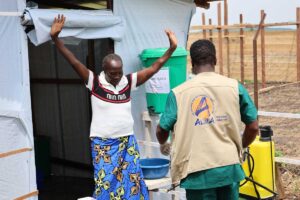
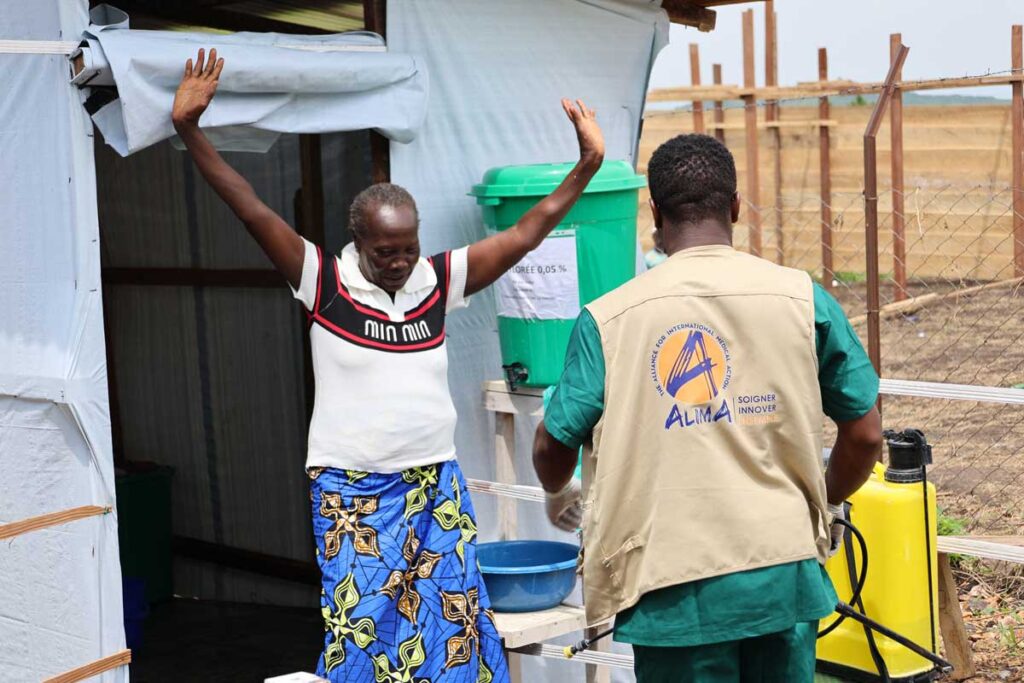
The study is being led by Congo’s National Institute for Biomedical Research and France’s ANRS Emerging Infectious Diseases, with support from the medical humanitarian organisation ALIMA and other partners. It began enrolling participants in July and aims to recruit about 1,000 people aged 12 and above.
Eligible participants must have experienced high-risk exposure to a confirmed Ebola case within the previous five days while remaining free of symptoms. They receive the oral antiviral and are monitored daily for 21 days, with a further follow-up after 42 days.
That monitoring is central to both patient safety and outbreak control. Anyone who develops symptoms can be identified quickly, tested and moved into appropriate care while researchers collect information about how the drug performs.
Obeldesivir was developed by Gilead Sciences and has shown activity against filoviruses in laboratory and animal studies. Research published in 2025 reported strong protection in non-human primates exposed to lethal Ebola virus, but animal findings cannot establish that the medicine will work in people.
Gilead donated 2,400 bottles of obeldesivir for the study. The company also supplied remdesivir for a separate compassionate-use arrangement involving children under 12 and pregnant or breastfeeding women who may not qualify for the main trial.
The focus on prevention is particularly important because the Bundibugyo virus responsible for the current epidemic has no specifically approved vaccine or treatment. It differs from the Zaire Ebola virus that caused the devastating West African epidemic between 2014 and 2016 and against which existing medicines and vaccines have stronger evidence.
Congo declared the present outbreak in May. It has since spread across several provinces, killing more than 4,000 people among more than 8,300 recorded cases, according to the latest figures released by the country’s Health Ministry.
The emergency response has been complicated by insecurity, attacks on medical facilities, community mistrust, transport difficulties and unpaid health workers. These pressures can delay diagnosis, weaken contact tracing and make it harder for research teams to remain in touch with participants for the full monitoring period.
ALIMA reported in September that more than 200 high-risk contacts had already joined the EBO-PEP trial. The number has now passed 250, indicating continuing enrolment despite the fear and disruption surrounding the outbreak.
Participation can involve difficult decisions. Contacts may be grieving a relative, worried that they have already been infected or uncertain about taking an unapproved medicine. Researchers must therefore explain that joining is voluntary, that protection is not guaranteed and that monitoring does not replace standard infection-control precautions.
The trial also illustrates the challenge of conducting rigorous research during a fast-moving health emergency. Scientists need reliable evidence, yet the people being enrolled are living in communities where medical services may be overstretched and security conditions can change rapidly.
If obeldesivir proves effective, an oral medicine could offer important practical advantages. Tablets are generally easier to store, transport and administer than intravenous treatments, particularly in remote areas where specialist equipment and trained staff are scarce.
A preventive drug would not eliminate the need for protective clothing, safe burials, rapid testing, isolation and vaccination where appropriate. It could, however, add another layer of protection for families and frontline workers following a known exposure.
Results are not yet available, and the rising enrolment figure should not be interpreted as proof that the medicine works. Its significance lies in researchers being able to study a promising candidate under real outbreak conditions while providing close surveillance for people at exceptional risk.
For communities in eastern Congo, the trial represents both scientific work and a human wager on the future. Each participant contributes information that could help protect health workers, relatives and other exposed people in later outbreaks, whether or not the present medicine ultimately succeeds.
Readers should rely on updates from Congo’s health authorities, the World Health Organization and recognised medical organisations, and avoid unverified claims about Ebola cures circulating online.