The death toll from the Ebola outbreak in the Democratic Republic of the Congo has passed 4,000, marking a grave new stage in a health emergency increasingly complicated by armed conflict, disrupted treatment services and mistrust in affected communities.
Government figures released on Friday put the number of deaths at 4,018 from 8,300 confirmed cases across seven provinces. More than 2,000 patients have recovered. The latest totals confirm the outbreak as the largest and deadliest in the country’s history, exceeding the 2018 to 2020 epidemic.
The crisis is now second in scale only to the 2014 to 2016 West African Ebola outbreak, which infected more than 28,600 people and killed over 11,000 across Guinea, Liberia and Sierra Leone.
The new figures represent a material deterioration since Podium News reported on 28 September that confirmed infections had risen above 7,800 and the virus had reached seven provinces.
North Kivu becomes a growing hotspot
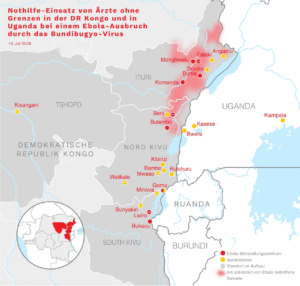
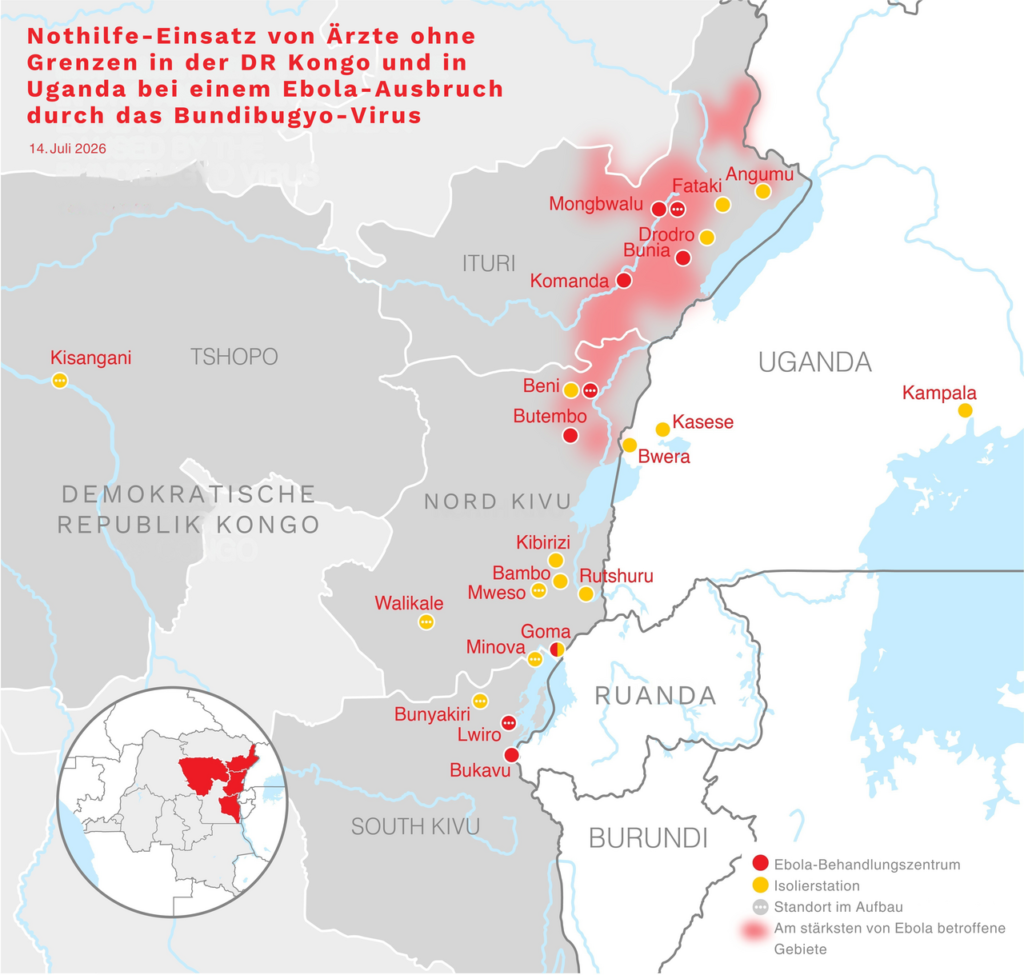
The outbreak began in Ituri province and is caused by the Bundibugyo virus, one of the viruses that can cause Ebola disease. Although authorities and United Nations officials have reported signs of slower transmission in some parts of Ituri, the epidemic continues to spread rapidly elsewhere in eastern Congo.
Médecins Sans Frontières said North Kivu had accounted for 40 per cent of new confirmed cases since the end of August. Stephanie Hoffman, an MSF coordinator in Butembo, compared the response to “fighting a wildfire”, with several outbreaks developing at the same time and at different levels of intensity.
Fresh cases have also been recorded in territory controlled by the AFC/M23 rebel movement. The group said six infections were detected in the Kayna and neighbouring Alimbongo health zones near Lubero. Four of the cases were identified through post-mortem testing of people who died in the community, while two patients were receiving treatment.
The cases were linked to the same chain of transmission originating in government-held Butembo, according to the group’s statement. Contact tracing was under way, but the location of the infections close to a front line highlights the difficulty of mounting a unified health response in an area divided by conflict.
Treatment capacity under pressure
The response has suffered another setback after a displacement camp and Ebola transit centre on the outskirts of Bunia were burned during a military search for weapons. A senior UN official said about 19,000 residents fled the Kigonze camp after the incident.
The loss of the facility reduces treatment and isolation capacity at a time when both are urgently needed. It also risks scattering a displaced population whose access to regular health services was already fragile.
Frontline workers in Ituri have separately protested over unpaid wages, with some surveillance personnel saying they had not received their August and September salaries. Repeated strikes by health workers have disrupted case detection and follow-up, two functions that are central to breaking chains of transmission.
The outbreak has also reached South Ubangi in the northwest, which became the seventh affected province after a man who had travelled from eastern Congo died from the virus. The geographic spread has increased the demands on laboratories, transport networks, treatment centres and contact-tracing teams.
Why early care and community trust matter
The World Health Organization says there is no approved vaccine or specific treatment for disease caused by the Bundibugyo virus, although candidate products are under development. Early intensive supportive care, including rehydration and treatment of symptoms and complications, can improve a patient’s chance of survival.
Containment therefore depends heavily on rapid diagnosis, safe clinical care, contact tracing, infection control, dignified burials and sustained community engagement. The WHO says people who may have been exposed should be monitored for 21 days and that communities must be fully involved in decisions about the response.
That trust is especially important in eastern Congo, where years of violence, displacement and weak public services have left many communities wary of government and outside institutions. The destruction of treatment facilities, attacks on health personnel and reluctance to report suspected cases can allow infections to spread undetected.
The health risk is compounded by the movement of people across provincial borders and through areas controlled by different armed groups. It makes timely sharing of laboratory results and contact information essential, even where political and security lines remain contested.
For the wider African region, the milestone is a warning that an outbreak can accelerate when public-health capacity is undermined by insecurity and funding gaps. Neighbouring countries will need to maintain surveillance and preparedness while avoiding measures that discourage ill people from seeking care.
Residents in affected areas should rely on verified guidance from health authorities, the WHO and established medical organisations, seek care promptly after possible exposure or symptoms, and avoid handling the body fluids of anyone suspected of having Ebola.