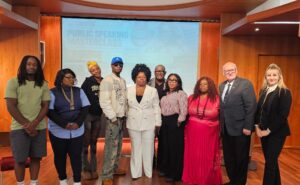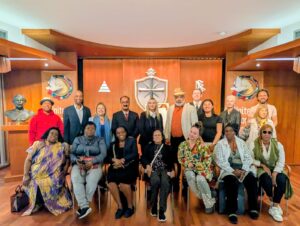

Community leaders, peace advocates, humanitarian workers and professionals from across London gathered recently for a special round-table event marking the International Day of Peace, with speakers calling for greater personal and collective responsibility in building peaceful communities.
Hosted by the Church of Scientology London, the gathering brought together participants from different cultural, professional and community backgrounds around the 2026 United Nations theme, “Invest in Peace: For Everyone, Everywhere, Every Day.”
The United Nations marks the International Day of Peace every year on 21 September. Established by the UN General Assembly in 1981, the observance is intended to strengthen the ideals of peace within and among nations and peoples.
At the London round table, that global message was brought into a local setting as speakers explored the role of leadership, humanitarian service, human rights education and community engagement in creating more peaceful societies.
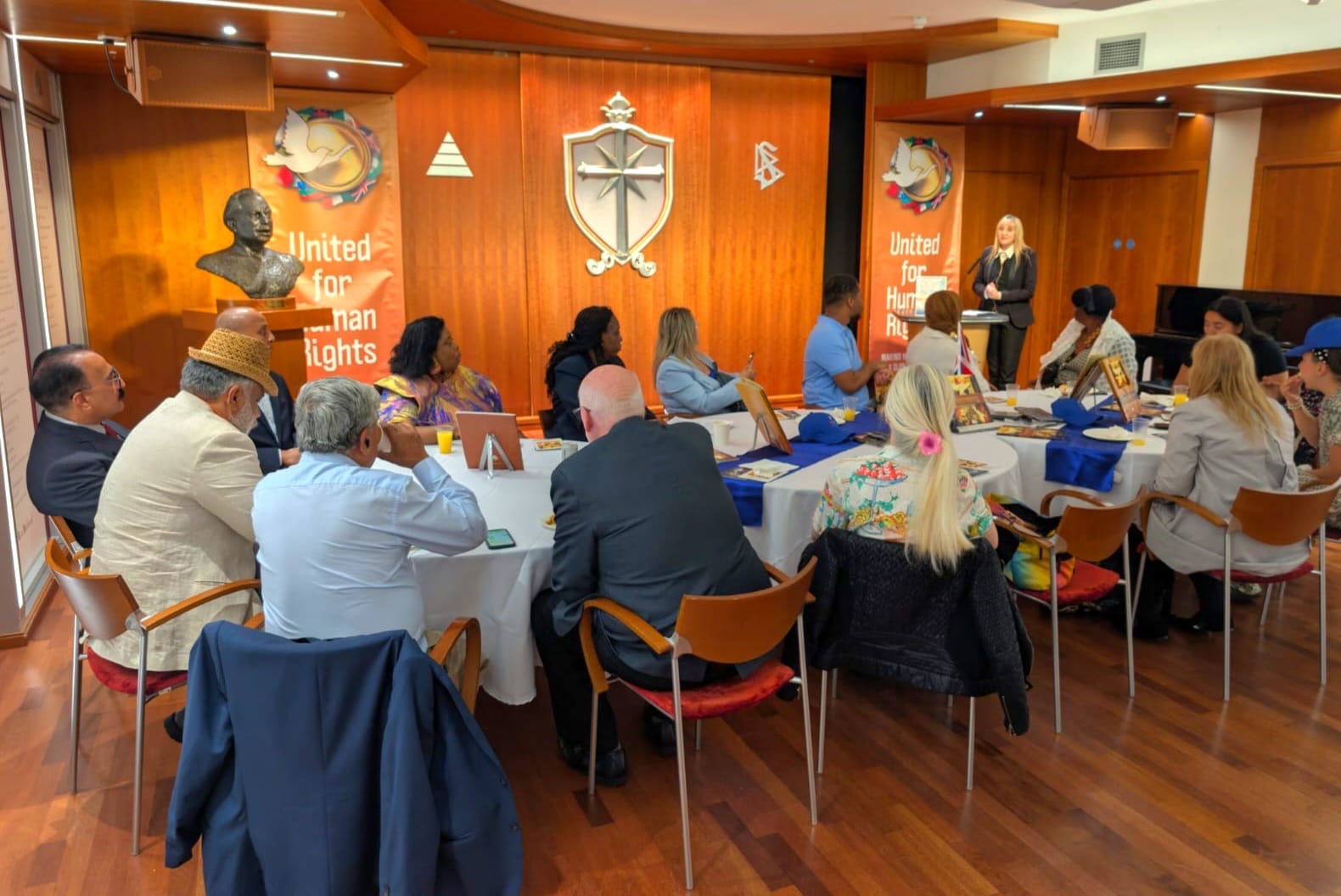
Among the speakers was Lorna Marah, introduced at the event as a Peace Ambassador, a United Nations Women advocate and a member of the UK Civil Service Women Alliance.
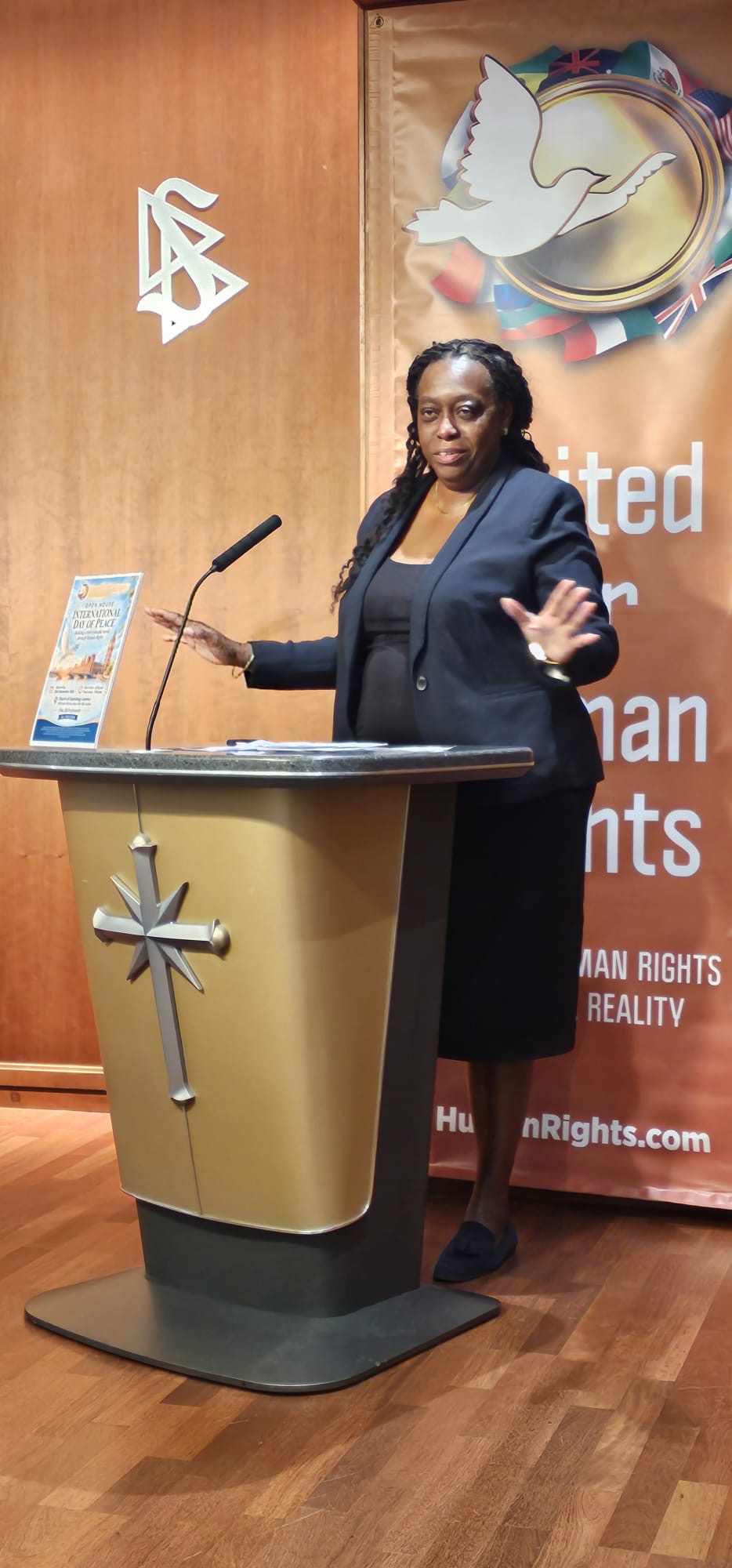
“Peace is not accidental. It is intentional. It is crafted through our choices, our leadership, our compassion, and our willingness to challenge the norms that divide us,” Marah said.
She added: “Peace is a design project and every one of us is a designer.”
Her remarks challenged participants to see peacebuilding as an everyday responsibility rather than a task reserved for governments, diplomats and international organisations.
Eleanor Daibowon Moore, founder of Eleanor’s Children Foundation in Liberia, also addressed the gathering. Moore, who is based in London, works through her foundation to support young orphans and widows in Liberia, including through sustainable livelihood projects intended to help beneficiaries become more economically independent.
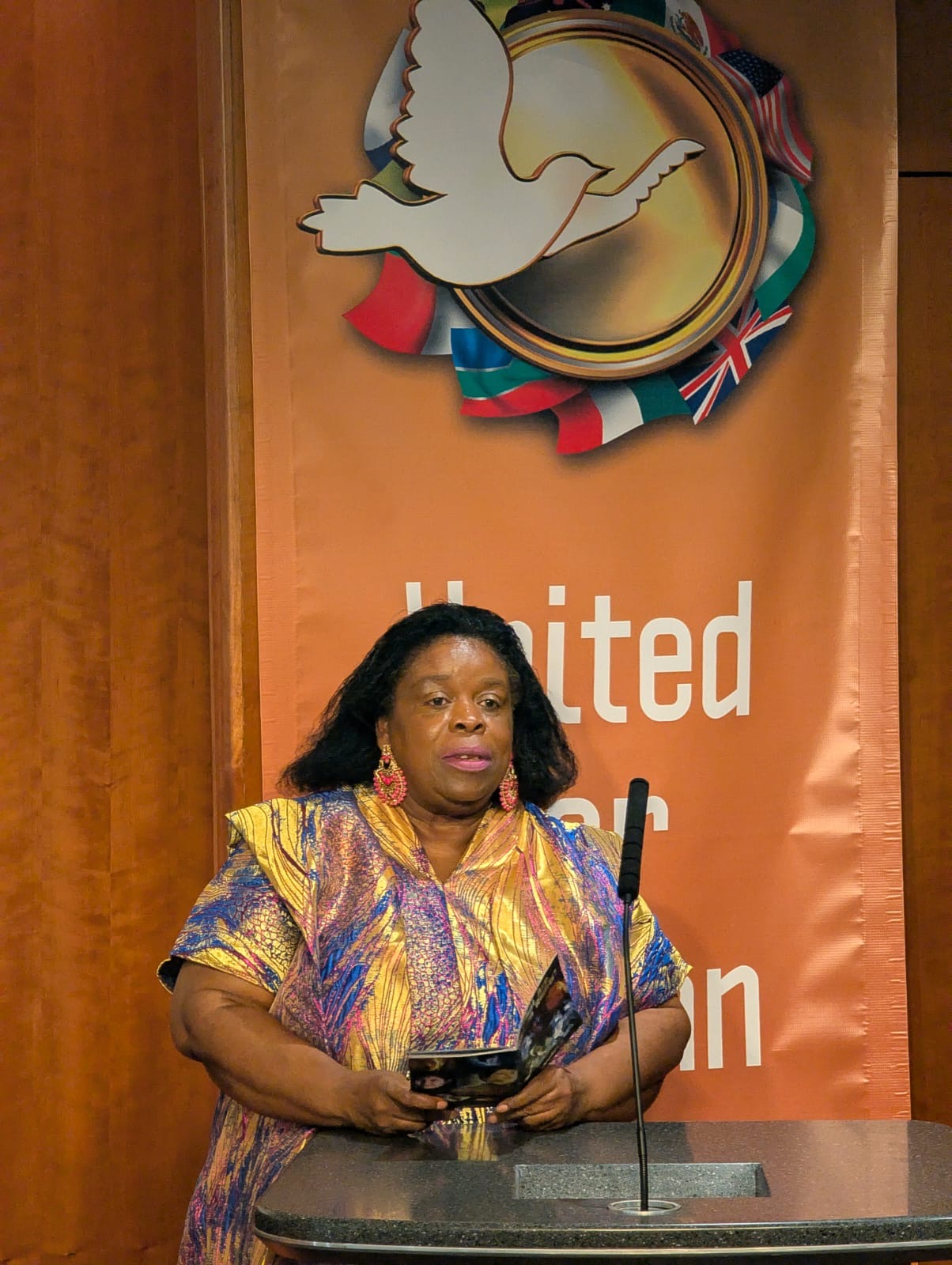
Drawing on that work, she described peace as a responsibility requiring constant care.
“Peace is a ship, a responsibility, which needs our care and help,” Moore said.
Her contribution highlighted the connection between peace, dignity and economic opportunity, particularly for women and children living in vulnerable circumstances.
The round table also heard from Suraiya Kassamally of Rotary Club London, who spoke about Rotary’s international peace-building work.
Kassamally briefed participants on Rotary Peace Centres, which provide academic and professional development opportunities for people working in peace and development. Rotary International says the programme operates through eight peace centres and has trained more than 1,900 fellows since it began in 2002. Those fellows now work in more than 140 countries.

“We all need peace now, more than ever before,” Kassamally told the gathering.
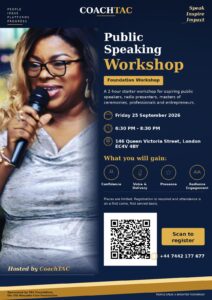
Coach Titilola Aboyade-Cole was also among the speakers at the event, contributing to the round-table discussion alongside the other community and peace advocates. Her participation formed part of a broader exchange in which speakers considered how leadership, education and community involvement can help strengthen cohesion and mutual respect.

The event was hosted by Tracey Coleman, Community Affairs Director at the Church of Scientology London, who focused her remarks on the relationship between peace and human rights education.

“Peace has everything to do with human rights. Where we see lack of harmony, where we see bullying, we see violations of human rights,” Coleman said.
She stressed the importance of helping young people understand their rights and the responsibilities that accompany them.
“We must join hands, work together in positive action and make sure our youth know their 30 human rights,” Coleman said. “We must not only know these rights but apply them in our lives to bring about a world with respect and tolerance.”
Participants were also invited to support a human rights pledge calling on governments and organisations in the public and private sectors to promote the Universal Declaration of Human Rights through education, campaigns, events and wider public awareness.

The pledge reflected one of the strongest themes running through the gathering: that peace is closely connected to dignity, equality, education and respect for fundamental rights.
The United Nations’ 2026 campaign similarly emphasises that peace is more than the absence of war and describes it as the lived experience of safety, dignity, opportunity and cooperation. This year’s observance places particular attention on people taking practical action within their own communities.
The London event reflected that grassroots emphasis. Rather than presenting peace solely as an international diplomatic concern, speakers demonstrated how it can also be advanced through humanitarian support, education, leadership development, advocacy and community dialogue.
The round-table setting allowed participants to hear different perspectives on what peacebuilding looks like in practice, from supporting vulnerable families in Liberia to preparing professionals to work in conflict-affected societies and educating younger generations about human rights.
At a time when conflict and social tensions continue to affect communities across the world, the message from the London gathering was that individuals are not powerless. Peace may depend on institutions and governments, but it is also shaped by everyday decisions about how people treat one another, respond to disagreement, support vulnerable communities and challenge discrimination.
For those who gathered in London, the conclusion was that investing in peace requires more than statements of goodwill. It also requires deliberate action, education, compassion and sustained cooperation.
Podium News welcomes community initiatives that promote peace, humanitarian service, social cohesion and constructive dialogue. Organisations leading meaningful community programmes are invited to share their work with the newsroom.