Abíádé Adire Festival will return on 15 November 2026 with a programme that places Yoruba textile heritage beside contemporary fashion, public performance and creative-enterprise discussions.
The organisers describe the forthcoming edition as a celebration of Yoruba culture, craft and community. Under the theme “The Source Within (OMI)”, the festival is built around four headline experiences: an adire fashion show, cultural displays, a Museum of Culture and a symposium.
The official festival website is already selling three classes of tickets and confirms the date, but it does not currently state the venue or starting time. Prospective visitors should therefore treat 15 November as confirmed while checking the organiser’s own channels again before arranging transport or accommodation.
A fabric becomes a meeting point
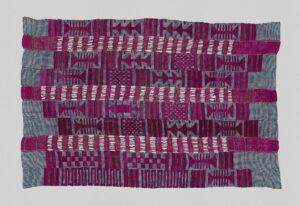
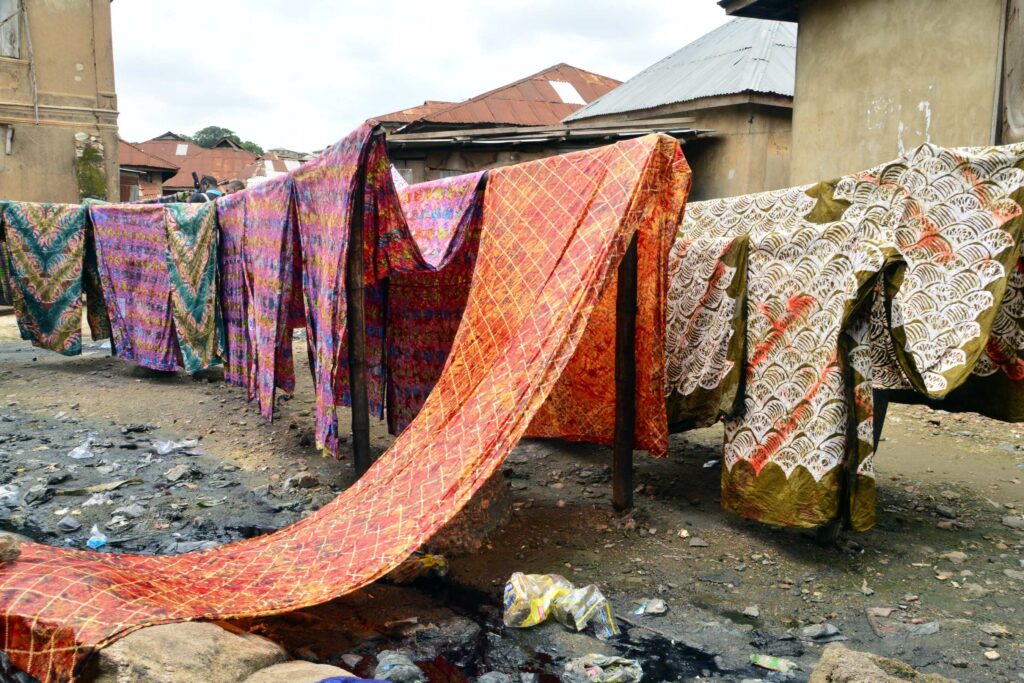
Adire is one of the most recognisable textile traditions associated with the Yoruba people. It developed through resist-dyeing methods in which selected parts of cloth are protected before dyeing, allowing makers to create repeated patterns, figurative motifs and richly contrasted surfaces.
Historical accounts locate some of adire’s most important centres in Abeokuta, Ibadan and Osogbo. The craft is particularly associated with generations of Yoruba women whose knowledge, designs and commercial networks helped the cloth travel beyond its places of production. Its history is therefore not only a story of dress. It is also a history of women’s enterprise, technical knowledge and the ability of a local art form to find new markets.
Research by Nigerian art historians Margaret Olugbemisola Areo and Razaq Olatunde Rom Kalilu describes adire motifs as a visual language shaped by history, proverbs, folklore and observation of the environment. Their work also records the evolution of several preparation methods, including tied, stitched and starch-resist forms, alongside later techniques and contemporary adaptations.
That depth gives the Abíádé programme a useful foundation. A runway can show how designers carry inherited ideas into new silhouettes, while a museum display and symposium can help visitors understand the knowledge behind the finished cloth.
What the organisers have announced
The advertised fashion show will present styled adire pieces with a contemporary approach to movement, texture and ceremony. Cultural displays are expected to include dance, drumming, chants, oratory and stage performance.
The Museum of Culture is described as a dedicated space connecting guests with Yoruba history, material culture and the wider stories that give adire meaning. The symposium is intended to bring together scholars, artisans and designers for conversations about heritage, modern applications, community empowerment and the place of adire in global fashion.
The public ticket offer currently lists VIP access at ₦15,000, Silver Circle access at ₦7,000 and Campus Entry at ₦5,000. The published benefits vary by tier. They include different seating arrangements and, depending on the ticket, access to performances, exhibitions, symposium sessions, refreshments, souvenirs or networking areas.
Ticket descriptions and prices can change, so readers should verify the final terms directly with the organiser before paying. Buyers should also use only the secure payment routes linked from the official festival website.
Why the festival matters
Adire now operates across several overlapping worlds. It remains a cultural practice, but it is also part of fashion, tourism, education and the wider creative economy. A well-curated festival can make those connections visible by bringing makers, researchers, designers, buyers and younger audiences into the same space.
That matters at a time when the popularity of African-inspired textiles can sometimes separate patterns from the communities and knowledge that produced them. Events led from within the culture can place names, techniques and makers back at the centre of the story.
The commercial dimension is equally important. Cloth production supports more than the final designer. It can involve dyers, pattern makers, tailors, traders, photographers, models, stylists, event workers and teachers. When the heritage is presented with care, cultural preservation and enterprise do not have to compete. Each can reinforce the other.
For younger visitors, the programme could also make adire feel less like an object kept at a distance and more like a living field of work. The inclusion of a student-priced ticket, knowledge sessions and contemporary fashion suggests an effort to link inherited practice with new participation.
Before making plans
The confirmed public date is Sunday, 15 November 2026. At the time of writing, the official page has not published a venue, opening time, full running order, speaker list or accessibility information. Those details are essential for a practical visitor guide and should be sought from the organiser when released.
Readers interested in attending can consult the official Abíádé website for updates and ticket information. Podium News will also monitor the programme and update its coverage when the venue, timetable and participating artists or speakers are formally announced.