Energy drinks are marketed as a quick solution for tiredness, promising alertness, focus and endurance. But they do not provide energy in the way many people assume. Instead, they hide exhaustion by blocking the brain’s signal that tells you to rest.
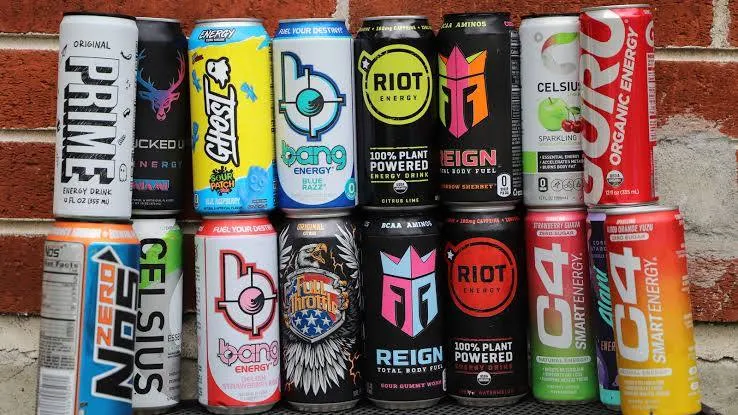
An energy drink is a non-alcoholic beverage sold in a can, bottle or as a small concentrated shot. It is formulated around a high dose of added caffeine, typically more than 150 milligrams per litre, and usually combined with sugar or sweeteners, taurine, guarana, B vitamins and herbal extracts.
Throughout the day, a chemical called adenosine builds up in the brain and signals that the body is getting tired. Caffeine blocks its signals, creating a temporary feeling of alertness. But the exhaustion does not disappear; it is only delayed, and the need for rest catches up later.
For most people, the effects are not severe. They may include a racing heart, shaky hands, stomach discomfort or disrupted sleep. More serious reactions, such as dangerous heart rhythms, chest pain and seizures, can also occur, although they are rare and mostly linked to consuming very large amounts.
Health experts warn that mixing energy drinks with alcohol can blunt the feeling of intoxication, leading to heavier drinking. Daily consumption is also linked to higher blood pressure, anxiety, weight gain and long-term cardiovascular risks.