The Nigerian Presidency has dismissed claims that it secretly altered provisions of the newly enacted tax reform laws, insisting that no changes were made outside the established legal and legislative process. This comes as former Vice President Atiku Abubakar, Labour Party’s 2023 presidential candidate Peter Obi, and several civil society organisations called for the suspension of the implementation of the laws.
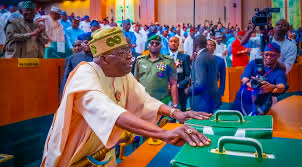
The controversy surrounds allegations of discrepancies between the tax bills passed by the National Assembly and the versions gazetted and released to the public. A member of the House of Representatives, Abdussamad Dasuki, raised concerns about the discrepancies, arguing that his legislative rights had been breached because the content of the gazetted tax laws did not reflect what lawmakers debated and approved.
The Presidency, through its Senior Special Assistant on Media and Publicity, Temitope Ajayi, maintained that the laws were enacted through due process and would take full effect from January 1, 2026, with relevant government agencies already mobilised to ensure smooth implementation. Ajayi described the criticisms as “opposition noise” aimed at creating controversy around government policy.
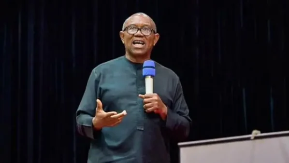
However, critics argue that the alleged alterations pose a threat to constitutional governance and reveal the extent of institutional decay. Peter Obi warned that the changes could render the new tax laws legally vulnerable, as they lacked legislative approval. Atiku Abubakar called for an immediate suspension of the laws pending a thorough investigation, describing the alleged alterations as criminal.
The House of Representatives has constituted a seven-man ad hoc committee to investigate the allegations and submit a report to the House for further legislative action. The committee is led by the Chairman of the House Committee on Finance, James Faleke.
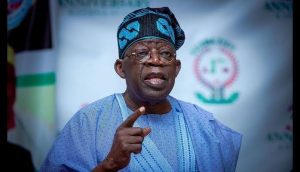
The Socio-Economic Rights and Accountability Project (SERAP) has also urged President Bola Tinuhu to publish certified true copies of the tax bills received from the National Assembly and the tax laws signed into law. SERAP warned that failure to comply would lead to legal action.
The tax reform laws, signed by President Tinuhu, are designed to simplify tax compliance, expand the tax base, eliminate overlapping taxes, and modernise revenue collection across federal, state, and local governments. The laws are scheduled to take effect on January 1, 2026.