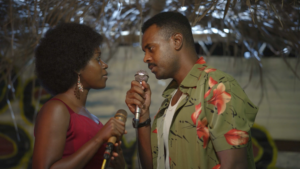
Odunlade Adekola, Fathia Balogun and Kolawole Ajeyemi lead Onibọn Oje, a Yoruba epic now in Nigerian cinemas after its 23 October release.
The film is produced by Exceptional Pictures and Pacesetter Film Arena, with theatrical distribution handled by Tribe Nation Theatrical Distribution. Mustapha Jayeola produced it and shares directing credit with Olawale Samson Adebayo, according to the distributor.
Adekola plays a warlord threatening an ancient Yoruba kingdom. The fictional community’s resistance centres on an unexpected warrior who emerges from among its inhabitants to confront the invader. The ensemble also includes Joke Muyiwa, Raphael Niyi, Rasaq Olayiwola and Bose Akinola.
Tribe Nation says the production was shot at Pacesetter Film Arena in Ibadan. Its purpose-built sets provide the setting for the kingdom, including the palaces and scenes of communal conflict. The distributor released production photographs showing the performers in costume ahead of the cinema opening.
Silverbird Cinemas lists the film under its drama, epic and Nollywood categories. Its current title page identifies Ikeja City Mall in Lagos and the Silverbird Entertainment Centre in Abuja as screening locations. The exhibitor lists Yoruba and English as the film’s languages.
The National Film and Video Censors Board’s approved-movies register gives Onibon Oje an 18 classification. Its consumer advice identifies violence and imitable techniques. The entry names Jayeola as producer and director and Pacesetter Film Arena as the production company.
Under the board’s classification guidance, the 18 symbol means a film is suitable only for adults aged 18 and above. It differs from the parental-guidance classification, which allows general viewing while warning that some scenes may be unsuitable for young children.
The board requires approved films to display their classification symbols prominently on promotional material and on screen before exhibition. The symbols indicate the audience age groups for which a work has been classified.
The regulator also distinguishes 18 from its 12A category. The latter permits younger children to watch when accompanied by a responsible adult who considers the material appropriate. That accompaniment provision does not form part of the board’s description of the adult-only category assigned to Onibon Oje.
Ibadan has also attracted investment in other dedicated production locations. In March, filmmaker Sunday Esan unveiled the separate Okiki Films Village, a seven-acre site at Idi Ori, Onidundu, in Akinyele Local Government Area of Oyo State.
Esan said the development was intended to support epic productions and indigenous storytelling. THEWILL reported that its design incorporated mud houses and traditional symbolic structures. Esan presented the project as a space for filmmakers working with African heritage and cultural subjects.
That development is separate from Pacesetter Film Arena, the location identified by Onibọn Oje’s distributor. The two projects place purpose-built production settings within the same city’s filmmaking infrastructure, although the distributor identifies Pacesetter alone as this film’s shooting location.
Silverbird cautions that screening times are subject to change. Its listing provides separate schedules for each cinema, so viewers should confirm their chosen venue’s current programme through the exhibitor before travelling. The film’s listed release date remains 23 October 2026.
Photograph: Exceptional Pictures / Pacesetter Film Arena, via Tribe Nation Theatrical Distribution. Odunlade Adekola in character in Onibọn Oje.