
Nigeria has secured a major victory in the long-running legal dispute surrounding the Mambilla Hydroelectric Power Project after an International Chamber of Commerce tribunal rejected claims brought by Sunrise Power and Transmission Company Limited.
The award, issued in Paris on 17 September 2026, dismissed a demand for $680 million described by the Presidency as a settlement sum and interest. The dispute was connected to a separate arbitration in which Sunrise is claiming more than $2.7 billion in compensation and interest relating to the proposed power project in Taraba State.
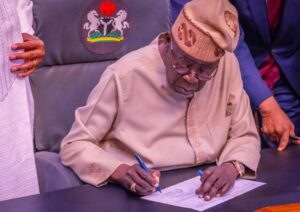
In a formal statement on the award, President Bola Tinubu said the decision had removed the main legal obstacle that had paralysed the project for years. He praised the Federal Ministry of Justice, Nigeria’s international legal team and former senior officials who gave evidence in the case.
The Mambilla project has been discussed for decades as a potentially transformative source of electricity for Nigeria. The current project is described by the Presidency as a 3,960-megawatt development, while the disputed 2003 build-operate-transfer arrangement concerned a 3,050-megawatt plant. The federal government said the Federal Executive Council never authorised that earlier contract.
According to the government’s account, former presidents Olusegun Obasanjo and Muhammadu Buhari gave evidence in the proceedings, alongside former ministers Babatunde Fashola and Suleiman Adamu. The President also commended the Economic and Financial Crimes Commission for its investigation and the National Security Adviser for supporting the defence.
“Today’s ICC ruling clears the single biggest legal hurdle that has paralysed the Mambilla hydro power project for years.”
The judgment is financially significant because international arbitration claims can expose governments to large awards, legal costs and pressure on public finances. Nigeria has faced several high-value disputes arising from contracts and settlement agreements, making the quality of procurement, documentation and legal defence a matter of national economic importance.
The tribunal’s decision also carries a wider governance message. President Tinubu said Nigeria would honour genuine legal obligations and work with credible investors, but would resist what the government considers opportunistic claims against public funds. That balance is important because investor confidence depends on contracts being respected, while taxpayers also expect the state to challenge agreements it believes were unauthorised or improperly obtained.
For Nigerians living with unreliable electricity, however, victory in a courtroom is only one part of the story. The Mambilla project has been repeatedly presented as a route to more power, industrial growth and jobs, yet legal disputes, financing questions and implementation delays have prevented those promises from becoming electricity on the grid.
Communities in and around the project area will also be watching what follows. Large hydropower projects can bring roads, employment and commercial activity, but they can also affect land, livelihoods and settlement patterns. Any renewed implementation effort will require transparent engagement with affected residents, clear environmental safeguards and credible arrangements for compensation where necessary.
The government must now show how the award changes the project’s timetable. Removing a major legal obstacle does not automatically resolve engineering, financing, procurement, transmission and community-relations challenges. Those issues will require detailed plans, accountable contracts and regular public reporting if the project is to escape its history of delay.
There is also a need for clarity about the remaining legal landscape. The Presidency linked the rejected $680 million demand to another arbitration involving claims exceeding $2.7 billion. Public communication should distinguish clearly between what the latest tribunal has finally decided and any matters that remain outstanding, so that the scale of Nigeria’s victory is neither understated nor exaggerated.
The ruling should also prompt a wider audit of how Nigeria negotiates major infrastructure agreements. Early legal review, properly recorded approvals and transparent changes to contract terms can prevent disputes from growing into costly international cases. The lesson is not that arbitration has solved the Mambilla problem, but that weak governance at the beginning of a project can delay public benefits for decades.
Why it matters: The award protects Nigeria from a substantial claim and may reopen a path towards one of the country’s most ambitious power projects. The greater test is whether legal success will now be converted into transparent execution and dependable electricity.
Reader call to action: What should the federal government publish next about the Mambilla project’s financing, timetable and community safeguards? Join the discussion and tell us which commitments should be tracked publicly.