Lagos Fashion Week will return from 28 October to 1 November 2026 with a season focused on craftsmanship, heritage and more responsible production. The programme’s theme is “CRAFTED: Heritage. Innovation. Circular Futures.”
A welcome party is scheduled for Wednesday, 28 October. Runway shows follow from 29 to 31 October at the LagosFW Tents at Federal Palace Hotel, before offsite presentations across Lagos on Sunday, 1 November, according to the organisers’ season announcement.
The season’s campaign, photographed by Daniel Obasi, draws on the tradition of African studio portraiture. Models appear in portraits that place clothing, styling and texture within a presentation of contemporary African identity. The announcement identifies Heineken as title sponsor, with NIVEA, Africa Finance Corporation and Lush Hair among the partners.
Green Access, the fashion week’s accelerator for emerging African designers, is returning for its eighth edition. The organisers describe a combination of virtual teaching and practical sessions, intended to help designers turn research and experimentation into commercially viable collections.
Its 2026 theme, “CRAFTED IN PRACTICE: Reimagining Craft for a Circular Future”, links making skills with the use of reclaimed textiles, unused fabric stocks and locally sourced materials. Weaving, embroidery, dyeing, beadwork and leatherwork are among the techniques identified in the programme.
The organisers also place durability and repairability within the design brief. Designers are encouraged to consider how products can remain useful over time, alongside ways to reduce waste during production.
Mentoring covers design development, research, production and business strategy. The published activities include prototype reviews, visits to artisan communities, production tours and business clinics. A final presentation at Lagos Fashion Week is intended to show the collections alongside the research and materials behind them.
The platform enters the season as the 2025 Earthshot Prize winner in the Build a Waste-Free World category. The prize organisation records that Omoyemi Akerele founded Lagos Fashion Week in 2011 and identifies its work on local supply chains and craft skills as part of its approach to reducing fashion waste.
That recognition preceded the current season. Earthshot’s account describes sustainability requirements covering how participating designers source and dye materials, make garments and transport them. It presents those requirements as part of the platform’s broader work beyond its annual shows.
Skills, finance and working conditions also feature in UNESCO’s assessment of the African fashion industry. Its October 2023 report called for stronger legal protection for designers, investment in smaller businesses and greater support for training and the transmission of traditional knowledge.
The report identified environmental standards and sustainable textiles as further priorities. It called for better protection of intellectual property, fair remuneration and the ability of fashion professionals to organise in unions. It also urged greater support for e-commerce and 3D printing training. It encouraged mentoring to pass skills between generations, alongside qualifications in related fields including quality control, commercial law, marketing and new technologies.
Green Access’s stated eligibility covers emerging African fashion designers, makers and creative collectives working in apparel, textiles or material innovation. Its selection process includes assessment by an industry panel before the mentorship programme.
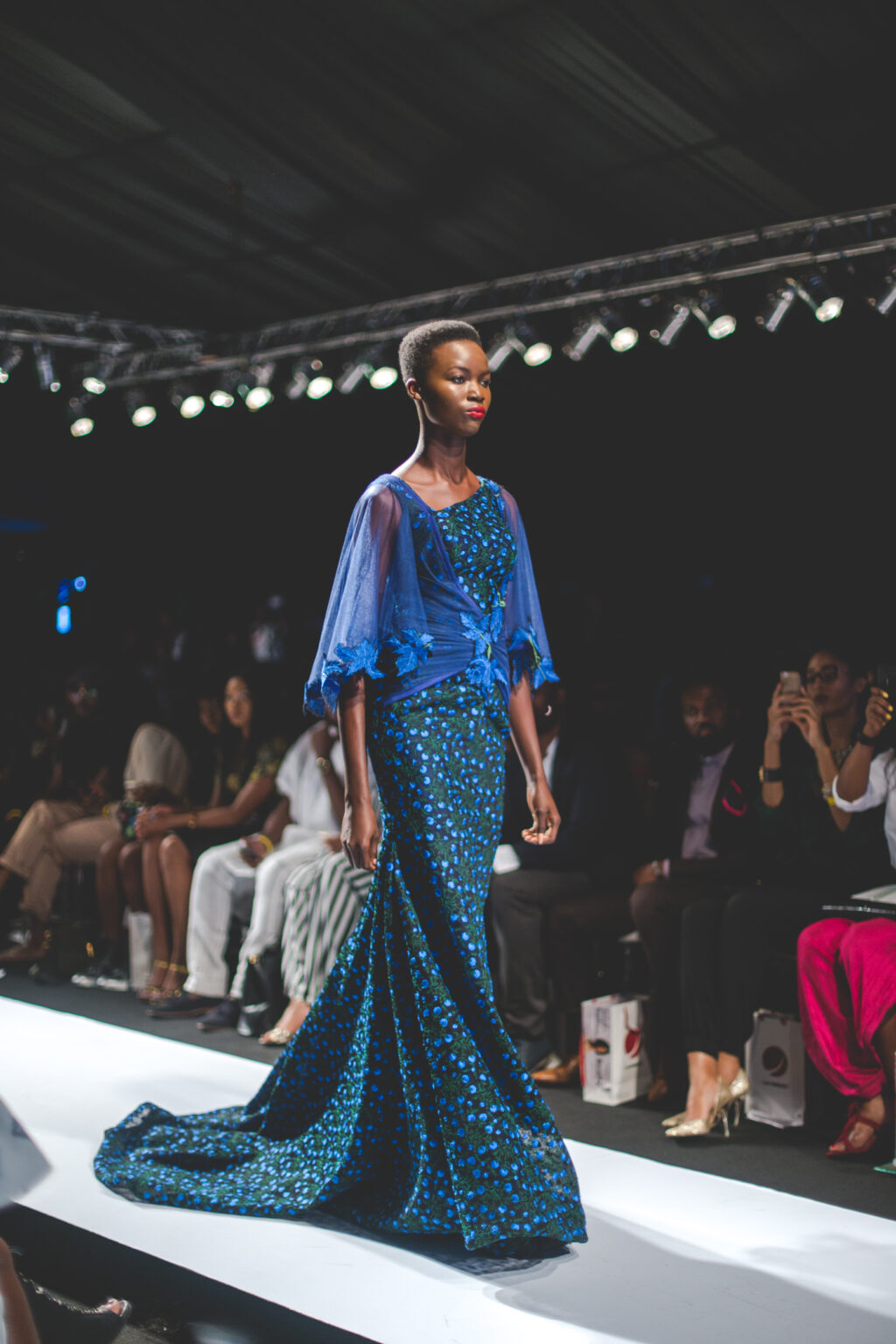
Archival photograph: Lagos Fashion and Design Week, 29 October 2015, by Chidi “Lex Ash” Ashimole, via Wikimedia Commons, CC BY-SA 4.0. This photograph does not show the 2026 event.