Wikimedia Nigeria is inviting contributors to help expand Yoruba Wikipedia at an indigenous-language edit-a-thon in Lagos on 24 October. The workshop will also support writing and translation in Hausa and Igbo, bringing volunteers together to develop encyclopaedic material in Nigerian languages.
The event is scheduled for Saturday from 11am to 3.30pm at the University of Lagos Innovation Centre in Akoka. The organiser says further venue details will be supplied after registration.
Participants will receive guidance on wiki markup, citation standards and digital archiving. The programme is intended to help volunteers write new entries, translate material and expand existing articles across the language editions of Wikipedia.
The work connects with a broader Yoruba volunteer community whose programmes combine language publishing, cultural documentation and training. Wikimedia Yoruba describes its activities as documenting oral traditions, historical archives and cultural stories, alongside mentoring students, educators and other contributors.
Its community outreach includes workshops, awareness campaigns and Wiki Fan Clubs. The group also organises thematic editing campaigns and collaborates with cultural organisations and educational institutions to expand access to Yoruba knowledge. It presents that work as a way of making the language and its heritage more visible online.
An earlier Nigerian language-documentation project shows another part of that activity. Its final grant report recorded the production of more than 50 freely licensed audiovisual files documenting oral histories of languages and dialects. The report says the materials were used on more than 150 Wikipedia articles.
The collection includes recordings associated with Ado-Ekiti, Ede, Ibadan, Iganna, Ile-Ife, Ilesa and Iseyin. Other entries preserve accounts in Igbomina and Owo speech forms. Contributors recorded native speakers, with both subtitled and non-subtitled versions listed in the project catalogue.
Explaining the approach in that report, project manager Olaniyan Olushola described “involving the actual speaker of each language in the documentation”. The team travelled to communities to find speakers who could discuss both their language and its history. The report also records the project’s involvement in language awareness activities during 2021.
Volunteer recruitment has also extended beyond language specialists. In a 2017 interview published by the Wikimedia Foundation, Olushola Olaniyan described student clubs at the University of Ibadan and the Nigerian Institute of Journalism, alongside radio partnerships designed to introduce people to Wikipedia.
Discussing locally produced awareness videos in that interview, he said they reflected older and younger generations. “Knowledge is not restricted by age,” he said. The Foundation identified fellow volunteers Sam Oyeyele, Blossom Ozurumba, Kayode Yussuf and Eyitayo Alimi among those involved in developing the campaign.
Wikimedia Nigeria’s current volunteer programme lists opportunities in language translation, writing and research, photography, event logistics and technical work. Campus ambassadors organise and mentor fan clubs, while indigenous-language translators work on educational guides, interfaces and articles. Photography volunteers document heritage, monuments and editing events.
Registration for the 24 October workshop is available through the organiser’s event page. The form requests a name and email address, while a phone number and Wikimedia username are optional. The organiser advises prospective participants that space may be limited.
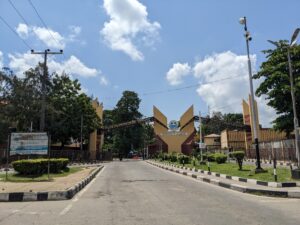
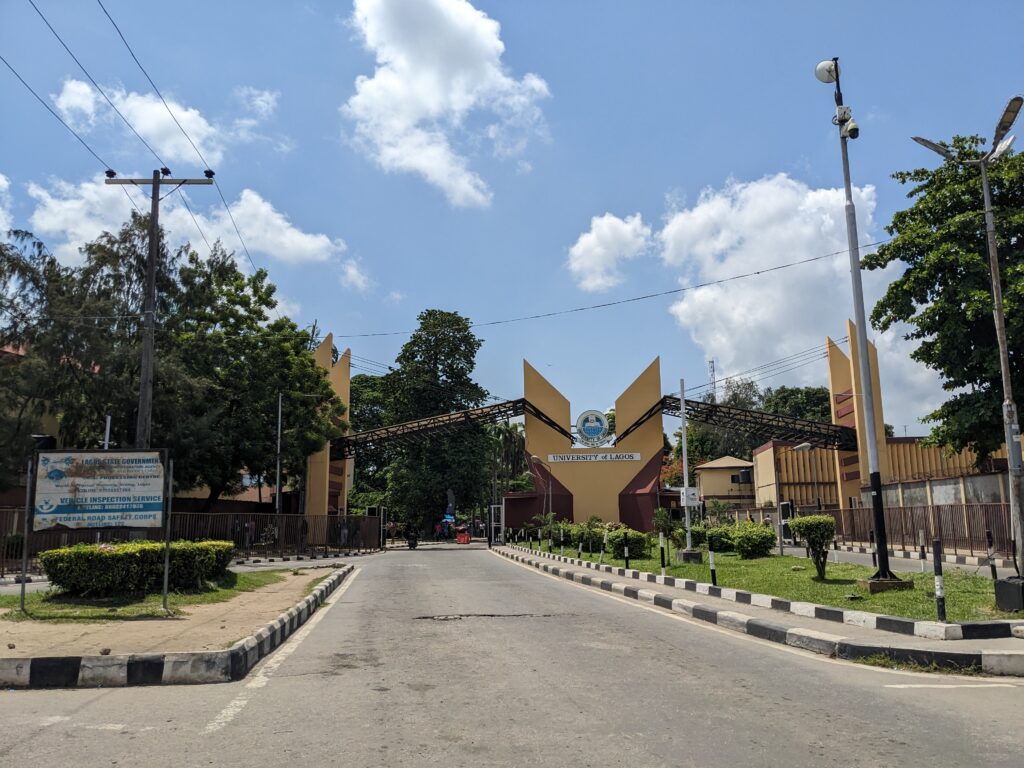
Archive photograph: University of Lagos main gate, Akoka, 14 May 2025. Ei'eke / Wikimedia Commons, CC BY 4.0. Cropped and resized. It does not show the forthcoming workshop or its Innovation Centre venue. Source; licence.