The Independent National Electoral Commission says it is reviewing thousands of claims and objections to its preliminary voter register, as its technology director linked suspicious photographs and other irregularities to the actions of some registration officers.
INEC chairman Joash Amupitan said the commission had received more than 4,800 claims and about 600 objections as of Thursday, 29 October. He disclosed the figures in Abuja on Friday while receiving an ECOWAS pre-election fact-finding delegation.
He said most claims concerned corrections and other minor issues. The online display of the register had also helped reveal discrepancies, with valid complaints to be addressed before certification of the final register on 15 December.
The figures describe submissions for review, rather than a count of proven fraudulent registrations. They were received through the display exercise and electoral officials, and the commission has said the database remains preliminary.
Separately, INEC’s director of information and communication technology, Lawrence Bayode, told ARISE News on Friday that some registration officers had used their access to the system to introduce questionable records.
Bayode said the problem extended beyond the examples circulating on social media. He distinguished suspected AI-generated photographs from other images affected by poor registration procedures.
He said the commission’s biometric identification checks had exposed irregularities and helped establish how they entered the database. He did not explain why the officers involved had introduced them.
Bayode maintained that INEC had not deployed artificial intelligence to register voters. The appearance of synthetic photographs, he said, should be distinguished from the commission’s separate use of AI tools for answering questions and supporting election logistics.
He told the broadcaster that irregularities identified by officials and members of the public had been removed, while wider cleanup continued. That assurance is INEC’s account of its work, rather than independent verification of the final database.
The commission had previously said the register uploaded on 26 October was the same preliminary version displayed physically at registration areas from 9 to 15 October. Its online publication did not reflect every correction already being processed.
INEC said the display, claims and objections procedure allowed residents and other stakeholders to flag inaccuracies before certification. It also said it was examining possible technical or procedural failures connected to suspicious photographs.
Amupitan said the register contained more than 103 million voters. He promised to address valid submissions before the December certification deadline and said the commission was preparing a nationwide mock accreditation exercise in November.
The proposed exercise would test voter accreditation and transmission of results together. Amupitan also described a safeguard requiring polling-unit results to be authenticated before reaching the INEC Result Viewing portal.
At the ECOWAS meeting, he said readiness assessments were prompting changes to deployment plans in locations affected by difficult terrain and security concerns. The visiting mission is assessing preparations for the 2027 elections and consulting electoral stakeholders.
INEC has not presented the preliminary register as the final certified roll. Its announced next steps remain verification of disputed records, adjudication of submissions and completion of the cleanup ahead of 15 December.
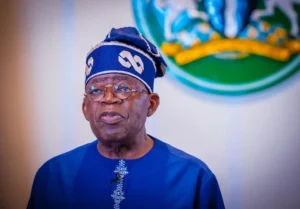
Archive photograph: INEC, via Punch.