Free noma operations in Nigeria are offering children affected by one of the world’s most neglected diseases a chance to eat, speak and face their communities with renewed confidence, as doctors warn that more young patients are arriving for treatment in the country’s north.
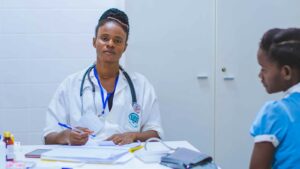
At the Noma Children Hospital in Sokoto, children whose faces have been damaged by the rapidly advancing infection are receiving multi-stage reconstructive surgery without charge. The operations are supported by Médecins Sans Frontières, also known as Doctors Without Borders, through three surgical programmes each year for patients considered strong enough to undergo the procedures.
Among those helped is Ibrahim Dalhatu, who contracted noma when he was three years old. He underwent his first reconstructive operation in 2021 and has since had six procedures. Now eight, he can eat and speak normally after surgery repaired a nasal fistula, giving his family an outcome they once feared would be impossible and unaffordable.
Noma is a severe infection of the mouth and face that can progress from inflamed gums to the destruction of soft tissue and bone within days. It mainly affects children aged between two and six who are living with malnutrition, poor sanitation, weakened immunity or limited access to healthcare. Treatment with antibiotics, wound care and improved nutrition can be effective when the disease is detected early, but advanced cases often require complex surgery.
The World Health Organization classifies noma as a neglected tropical disease and describes it as a marker of extreme poverty. Historic estimates suggest that the disease can kill up to 90 per cent of untreated patients, although reliable global data remain scarce because many children die before reaching a hospital and survivors are frequently hidden by stigma.
A study published in The Lancet Global Health in July, using records from the specialist hospital in Sokoto, identified more than 50,000 cases across 12 northern Nigerian states between 1999 and 2024. Hospital data also show that more than 500 children were treated in Sokoto from 2023 to 2025, while others remain on waiting lists for reconstructive surgery.
Medical workers say the number of acute cases they are seeing is increasing. Their immediate concern is not only the destructive speed of the disease, but also the delay before many families seek help. Limited awareness means early symptoms can be mistaken for ordinary mouth sores, while poverty, distance and fear of discrimination can prevent parents from reaching specialist care.
The consequences extend far beyond the initial infection. Children who survive advanced noma may struggle to eat, drink, speak or breathe. Some develop restricted jaw movement or permanent facial damage. They may also face exclusion at school, bullying and social isolation, placing emotional and financial pressure on families already living with hardship.
Maryam Sabiu’s four-year-old son contracted noma in 2024 and is waiting for surgery because doctors consider him too young for the procedure. The infection has left an opening in his cheek that extends towards his eye. His mother has described the child’s continuing pain and the distress caused when people stop to stare at him.
Nigeria currently has two specialist noma hospitals, including a centre in Abuja completed in 2023. The limited number of facilities means early detection at community level is crucial. Primary healthcare workers, teachers and parents need to recognise warning signs and refer children quickly, before permanent tissue damage occurs.
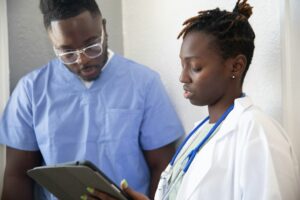
The treatment effort also highlights the importance of a stable health workforce. Podium News recently reported on the widening global shortage of health workers, a pressure that is particularly severe in underserved areas. Noma prevention depends on trained professionals being available not only in specialist hospitals, but also in nutrition programmes, dental services and local clinics where the first symptoms may be seen.
Public health specialists say prevention must address the conditions in which the disease takes hold. Better childhood nutrition, safe water, vaccination, oral hygiene and access to basic medical care can reduce the risk significantly. Community education can also challenge the belief that noma is a curse or a condition that families should conceal.
The free operations in Sokoto are therefore more than surgical interventions. They restore basic functions, ease pain and help children re-enter family and community life. Yet the waiting lists show that surgery alone cannot carry the burden. Nigeria needs stronger surveillance, earlier diagnosis and sustained support for families before infection reaches the stage at which a child’s face must be rebuilt.
Podium News invites parents, health workers and community organisations to share informed experiences of improving early access to children’s healthcare. Organisations working on health awareness, nutrition or medical outreach may also contact Podium News about features, partnerships or responsible campaign coverage.