Police have issued an Anambra flood safety warning after the death of a six-year-old schoolboy. The vehicle taking him to school became trapped in floodwater and overturned. The alert urges parents, guardians and caregivers to take extra care.
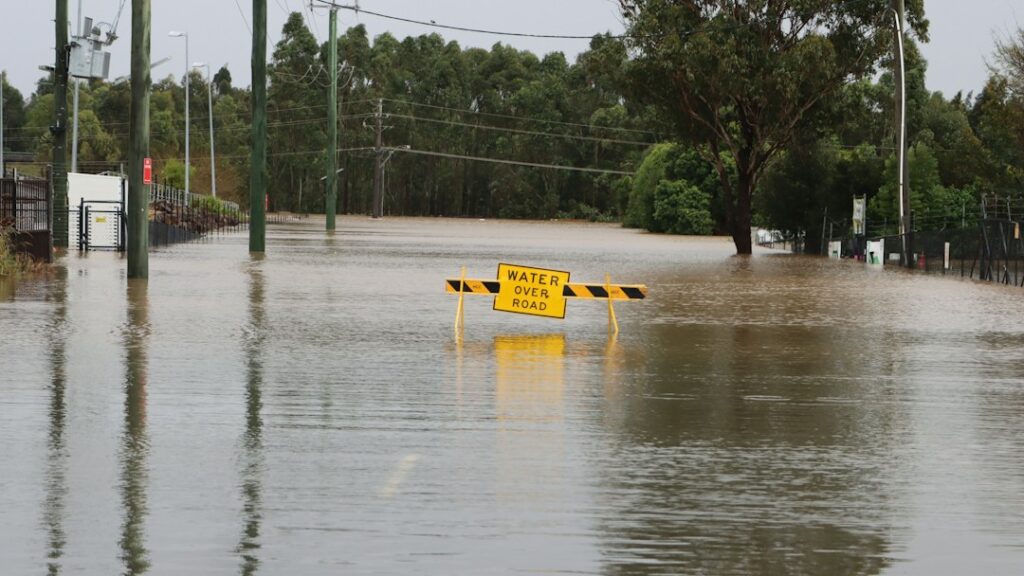
The warning follows the death of Success Ezenwafor, a pupil of Nnamdi Azikiwe University Primary School. He was travelling with other children and adults along the Nibo-Isiagu Road in Awka South Local Government Area. Their vehicle encountered surging water.
Police officers and residents rescued seven other schoolchildren and two adults. They took the survivors to Chukwuemeka Odumegwu Ojukwu University Teaching Hospital in Awka. Floodwater swept Success away. His body was recovered the following morning.
Police spokesman SP Tochukwu Ikenga said persistent rainfall and flooding had prompted the latest alert. Commissioner of Police Nnanna Ama urged adults responsible for children to remain vigilant. He also called for precautions during severe weather.
The renewed warning is timely, but the tragedy demands more than general advice. How do school transport providers assess flooded routes? Who decides when to abandon a journey, and how quickly can authorities close dangerous roads?
Keeping school journeys safe
Floodwater can conceal damaged surfaces, open drains and changes in road depth. A route that appears passable may become dangerous within minutes when rain continues or runoff moves quickly across the carriageway.
Drivers carrying children have a particular duty of care. Schools and transport operators must allow them to delay a journey or turn back in unsafe conditions. Pressure to meet a timetable should never override safety.
Schools can reduce risk with clear severe-weather procedures. These should cover alerts to drivers and parents, safer routes and flexible attendance during extreme conditions. Drivers should not enter floodwater when they cannot establish its depth or the condition of the road.
Parents also need reliable information early enough to make decisions. A warning delivered after children have already begun travelling has limited value. Schools, local authorities, emergency agencies and transport operators should agree who sends alerts and through which channels.
The rescue of nine occupants shows the importance of rapid local action. Police and residents were able to bring survivors to safety, but community courage should not substitute for preventative infrastructure and organised emergency planning.
Road safety and the investigation
Local and state authorities should inspect the Nibo-Isiagu Road and other known flood points. They should check drainage, mark hazardous sections and restrict traffic when conditions become dangerous. A review should also establish whether anyone had reported earlier problems.
Investigators must establish the facts before assigning blame. Their review should cover the route, water conditions, driver’s decisions and state of the road. They should also examine instructions from the school or transport operator.
The purpose of that examination should be to prevent another death. Its findings should be communicated to schools and transport providers across Anambra rather than left inside an incident file.
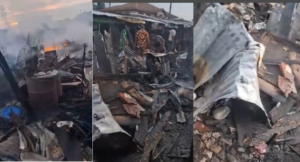
The tragedy highlights a wider problem as intense rainfall disrupts travel across Nigerian communities. On Wednesday, three days of rain caused severe flooding along the Agbarho-Ughelli highway in Delta State. Floodwater washed away sections of road and disrupted traffic.
The incidents occurred in different states but point to the same safety problem. Drainage, road maintenance, weather information and traffic control must work together. Authorities need to act before floodwater creates a crisis.
Advice for families
For families, the immediate guidance is simple. Adults should not allow a driver to attempt a flooded road merely because other vehicles appear to be crossing. Where conditions are uncertain, the safer choice is to stop, turn back and contact the school.
Local emergency numbers should be displayed inside every school vehicle and shared with families before the rainy season.
Schools should also account for every child during weather disruption and maintain up-to-date emergency contacts. Transport operators need passenger lists, functioning communication equipment and procedures for requesting assistance.
Success Ezenwafor’s family and classmates are living with the loss behind the latest safety message. Public agencies should respect that grief while ensuring that lessons from the incident lead to visible protective action.
Residents should report dangerous flood points to local emergency and traffic authorities and follow verified weather and police alerts. Podium News will monitor the official response, including any investigation into the vehicle incident and remedial work along the affected route.