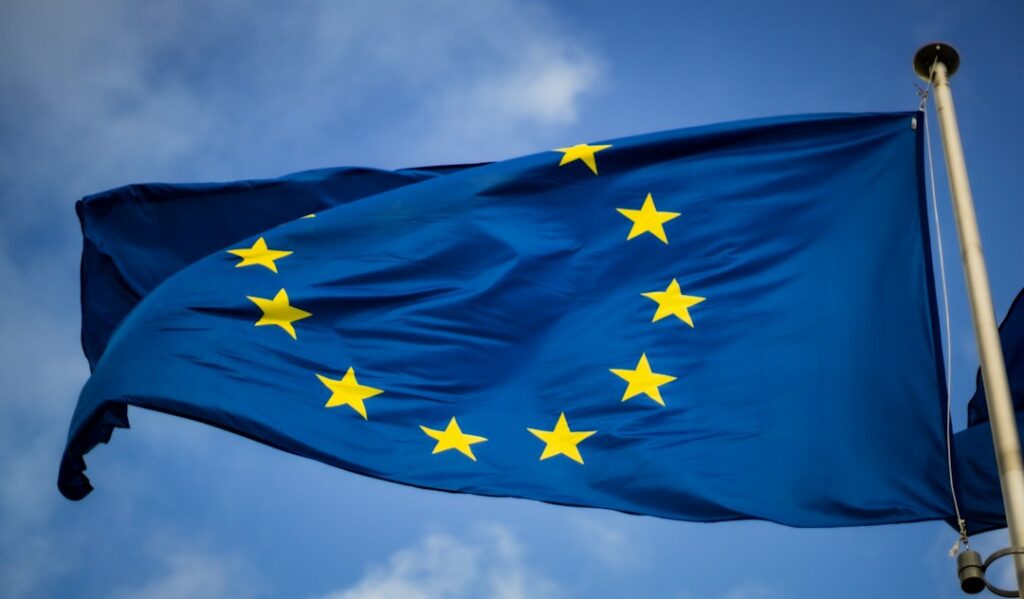
The European Union has approved a €20 million assistance measure to provide the Nigerian Armed Forces with non-lethal equipment for countering roadside explosives, hostile drones and other security threats.
The Council of the European Union adopted the measure on Monday, 19 October, under the European Peace Facility. It is the first bilateral assistance package approved specifically for Nigeria through the facility.
The equipment will cover counter-improvised explosive device capabilities, systems for detecting or responding to unmanned aircraft, night-vision equipment and personal protection for Nigerian military personnel.
The Council said the assistance was intended to improve the safety of troops deployed within Nigeria and strengthen their ability to respond to armed groups, bandits and other hostile actors.
The decision represents an approval for the provision of equipment and related capabilities. The EU announcement did not state that €20 million in cash had been transferred to the Nigerian government or that the equipment had already been delivered.
Nigeria already receives support financed through the European Peace Facility as part of the Multinational Joint Task Force operating in the Lake Chad Basin. The new measure differs because it is the first bilateral package directed to Nigeria’s armed forces.
The approval follows discussions between the Federal Government and European officials on Nigeria’s security requirements. Defence Minister Christopher Musa met the EU Ambassador to Nigeria and ECOWAS, Gautier Mignot, at the Ministry of Defence in Abuja before the formal Council decision.
A Ministry of Defence statement said an EU technical delegation was expected in Abuja in November to discuss the details of the assistance. Those talks are expected to address the specific equipment, delivery arrangements and other implementation requirements.
The package also follows the first EU-Nigeria Peace, Security and Defence Dialogue, held in Brussels on 18 February. National Security Adviser Nuhu Ribadu and the European External Action Service’s Deputy Secretary-General, Charles Fries, co-chaired the talks.
Officials discussed counter-terrorism, maritime security, cyber and hybrid threats, disarmament, demobilisation and reintegration, peace mediation and transnational organised crime. Nigeria and the EU subsequently continued the discussions at their eighth ministerial dialogue in Abuja on 23 March.
The joint communiqué from the March meeting said the EU was considering support for Nigeria through the European Peace Facility. Monday’s Council decision moves that proposal into an approved assistance measure.
The counter-improvised explosive device component is relevant to military operations in areas where insurgents have used mines and roadside bombs against patrols and civilian traffic. Nigerian troops are also confronting the growing use of drones and other remotely operated systems by armed groups.
Night-vision equipment is intended to support operations in poor visibility, while individual protection can include equipment designed to reduce the risks faced by personnel in hostile environments. The Council described all four areas as non-lethal defence capabilities.
No detailed list of manufacturers, quantities or delivery dates was included in the announcement. The Council also did not identify which Nigerian military formations would receive the equipment first.
The European Peace Facility was established in March 2021 to finance EU actions intended to prevent conflict, preserve peace and strengthen international security. It operates outside the EU’s regular budget and can support the defence capacities of partner countries and regional organisations.
Assistance under the facility is part of a wider EU programme in Nigeria that also includes measures aimed at preventing and countering violent extremism.
The next publicly identified implementation stage is the proposed technical engagement in Abuja in November. The value of the approved measure is €20 million, but delivery will depend on the equipment specifications and arrangements agreed by Nigerian and European officials.