Ilaro-Yewa will host the 2026 Oronna Ilaro Festival from 14 to 21 November, bringing residents, visitors and members of the diaspora together for a week celebrating Yoruba heritage, community identity and the memory of Oronna, the warrior remembered as a protector of the ancient Ogun State town.
A week of culture and homecoming
The festival’s official website describes the annual gathering as a public cultural celebration and the recognised homecoming of the Ilaro people. Organisers have adopted “A Celebration of Culture and Heroism” as the central message for the 2026 edition.
The festival is scheduled to run for eight days, culminating on Saturday, 21 November. Organisers say the programme will combine cultural, social, educational and entertainment activities leading towards the grand finale. Visitors, tourists, researchers and cultural enthusiasts are welcome to attend.
A detailed day-by-day programme, including confirmed venues and starting times for individual activities, was not available on the official website at the time of writing. Prospective visitors should therefore confirm the latest timetable directly with the organisers before making travel or accommodation arrangements.
Remembering Oronna
Festival organisers present Oronna as a distinguished warrior who helped defend Ilaro from external attacks and came to embody courage, public service and communal protection. His story has been preserved through oral tradition, local history and the annual gathering held in his honour.
The official account says Ilaro was founded by Aro, a hunter and farmer who migrated from the old Oyo area and established a settlement that became known as Ilu Aro, later shortened to Ilaro. When the settlement faced threats, Oronna was among the warriors called to strengthen its defences.
Community tradition holds that Oronna’s military leadership helped secure peace for the town. The Oronna shrine, identified by the organisers as the place connected with his disappearance from public life, remains an important point in the community’s cultural memory and a local visitor attraction.
These accounts belong to Ilaro’s inherited tradition and should be understood in that context. The festival is not simply a reconstruction of military history. It is a modern civic occasion through which the community interprets values such as bravery, loyalty, service and collective responsibility.
From remembrance to community development
The first Oronna Day Central Planning Committee was inaugurated on 24 May 1992, according to the festival organisation. Since then, the celebration has developed into a structured annual homecoming that connects traditional remembrance with contemporary community life.
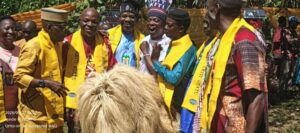
Previous editions have featured public processions, cultural performances, masquerade displays, sporting activities, health programmes, youth events and opportunities for local traders. The final mix for 2026 should be treated as provisional until the organising committee releases its confirmed programme.
The festival’s value also extends to the local economy. Homecomings can increase demand for transport, accommodation, food, textiles, crafts and other services. Small businesses gain access to visitors, while performers and artisans receive a platform through which to present local creative traditions.
For members of the Ilaro and Yewa diaspora, the event offers another form of connection. Returning for a festival can renew relationships with family compounds, royal and community institutions, local businesses and younger residents who are inheriting the town’s traditions.
Why cultural festivals still matter
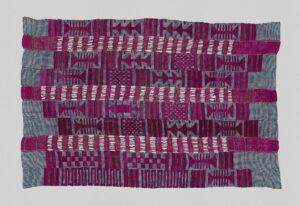
Events such as Oronna Ilaro Festival provide a living setting for history that might otherwise remain confined to family narration or scattered written records. Music, dress, food, performance, public procession and community participation allow heritage to be experienced across generations.
They also create room for careful discussion about how tradition is documented and presented. Communities can preserve oral accounts while encouraging historians, schools and cultural institutions to record different versions, identify reliable dates and distinguish inherited belief from independently documented events.
This work matters because Yoruba culture is not a single uniform story. Towns across Yorubaland have their own heroes, royal institutions, dialects, artistic practices and memories. Giving local celebrations serious coverage helps preserve that diversity and enables wider audiences to understand the communities behind the spectacle.
Practical information for visitors
The 2026 Oronna Ilaro Festival is scheduled for 14 to 21 November in Ilaro-Yewa, Ogun State. Organisers state that the festival is open to residents, tourists, researchers and other cultural visitors.
Travellers should watch the official Oronna Ilaro Festival website for the final schedule, venue details and any changes. Businesses or organisations considering formal festival partnerships can use the sponsorship address published by the organisers at sponsorship@oronnailarofestival.ng.
Podium News will continue to monitor the organisers’ announcements and update readers when the complete programme is confirmed.