The United Nations Human Rights Office has documented at least 306 deaths and hundreds of injuries from drone strikes across Sudan during the first three weeks of October. UN rights chief Volker Türk condemned the escalation on 23 October and urged both warring sides to protect civilians.
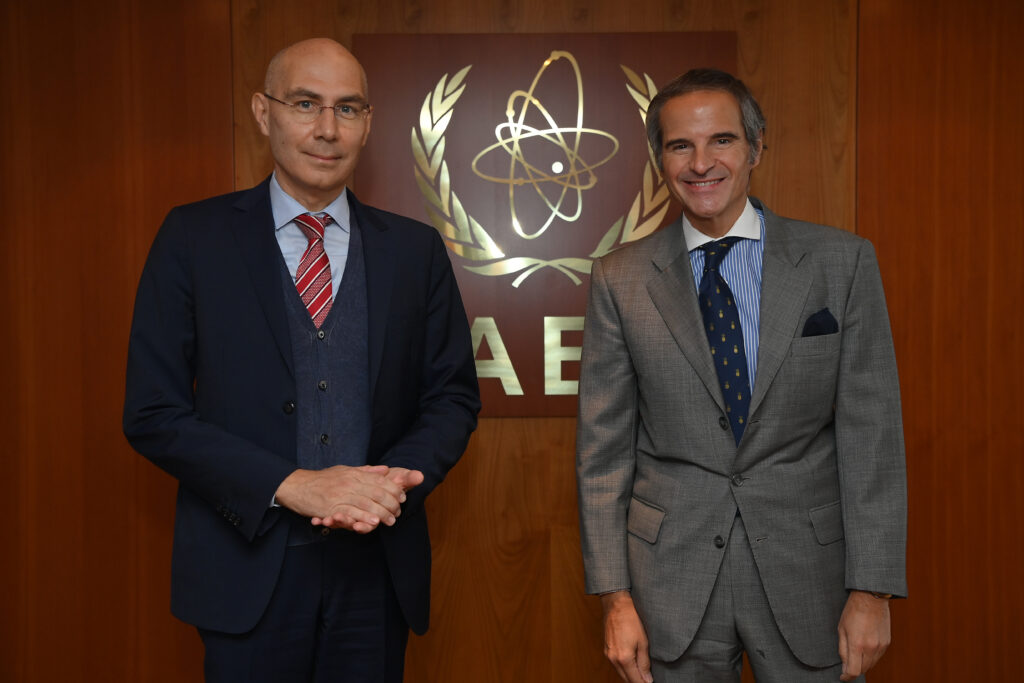
Featured photograph: Volker Türk in Vienna, 15 October 2021, by Dean Calma / IAEA. Source; CC BY 2.0. Resized. Archival photograph, not imagery of the Sudan attacks.
The figure covers multiple attacks during a three-week reporting period. It is not a toll from a single incident, and it does not establish that 306 people died on the day the statement was issued.
Attacks attributed to the Sudanese Armed Forces and the paramilitary Rapid Support Forces have struck homes, markets, hospitals, displacement sites, power stations and water sources. The rights office said drones were already responsible for the majority of conflict-related civilian deaths recorded in Sudan this year.
Among the deadliest incidents identified in the UN account was a repeated strike on a transport truck in Dibab, West Kordofan, on 18 October. At least 139 people were killed, according to the office’s findings, as reported by Radio Tamazuj.
The office also documented attacks on shelters used by displaced people. Alleged army drone strikes in Ghubeish and El Nuhud, West Kordofan, killed at least 25 civilians and injured 31 between 6 and 10 October.
In South Kordofan, two strikes attributed to the RSF hit the Bajaun gold-mining area in Gadeer locality on 9 and 16 October. The UN account put the toll at 42 civilians killed and 25 injured.
These incident figures form part of the wider account of escalating attacks. They should not be added to the overall total as though they represent separate, additional casualties.
The rights office linked attacks on gold-mining areas to the war economy sustaining the conflict. Control of economically valuable sites has become another source of danger for people living and working near them.
Türk called on the parties to comply with international humanitarian law, including the prohibition on directing attacks against civilians and civilian objects. He also renewed his appeal for a ceasefire and action against arms transfers used in violations of those obligations.
The warning included concern about retaliatory attacks. RSF-attributed drone strikes around Khartoum airport reportedly followed alleged army aerial attacks on Nyala in South Darfur, according to the rights office’s account.
Sudan’s war began in April 2023, when fighting erupted between the army and the RSF. Millions of people have since been displaced, while damage to health facilities and other essential infrastructure has reduced access to basic services.
The new nationwide monitoring account follows separate reporting on the drone attack at Amiet Market in disputed Abyei on 19 October. Abyei officials initially confirmed at least 153 deaths to international news organisations, before regional reporting carried a higher local count.
Those local figures and the UN’s wider monitoring total concern different reporting scopes. The available accounts do not provide a basis for combining them into a new national toll.
In his latest warning, Türk said the destruction of civilian infrastructure was driving further displacement and worsening an already severe humanitarian emergency. His appeal extended beyond an immediate ceasefire to the continued supply of weapons sustaining the war.