Felabration 2026 is heading into its final night at the New Afrika Shrine in Ikeja after six days of concerts, art, fashion, dance and public conversation celebrating Fela Anikulapo-Kuti’s enduring influence on African music and cultural expression.
The Lagos festival, which opened on 12 October, is scheduled to close on Sunday, 18 October. This year’s theme, “Who Are You?”, invites audiences and performers to consider identity, originality and the courage to speak with an independent voice, qualities closely associated with Fela’s music and public life.
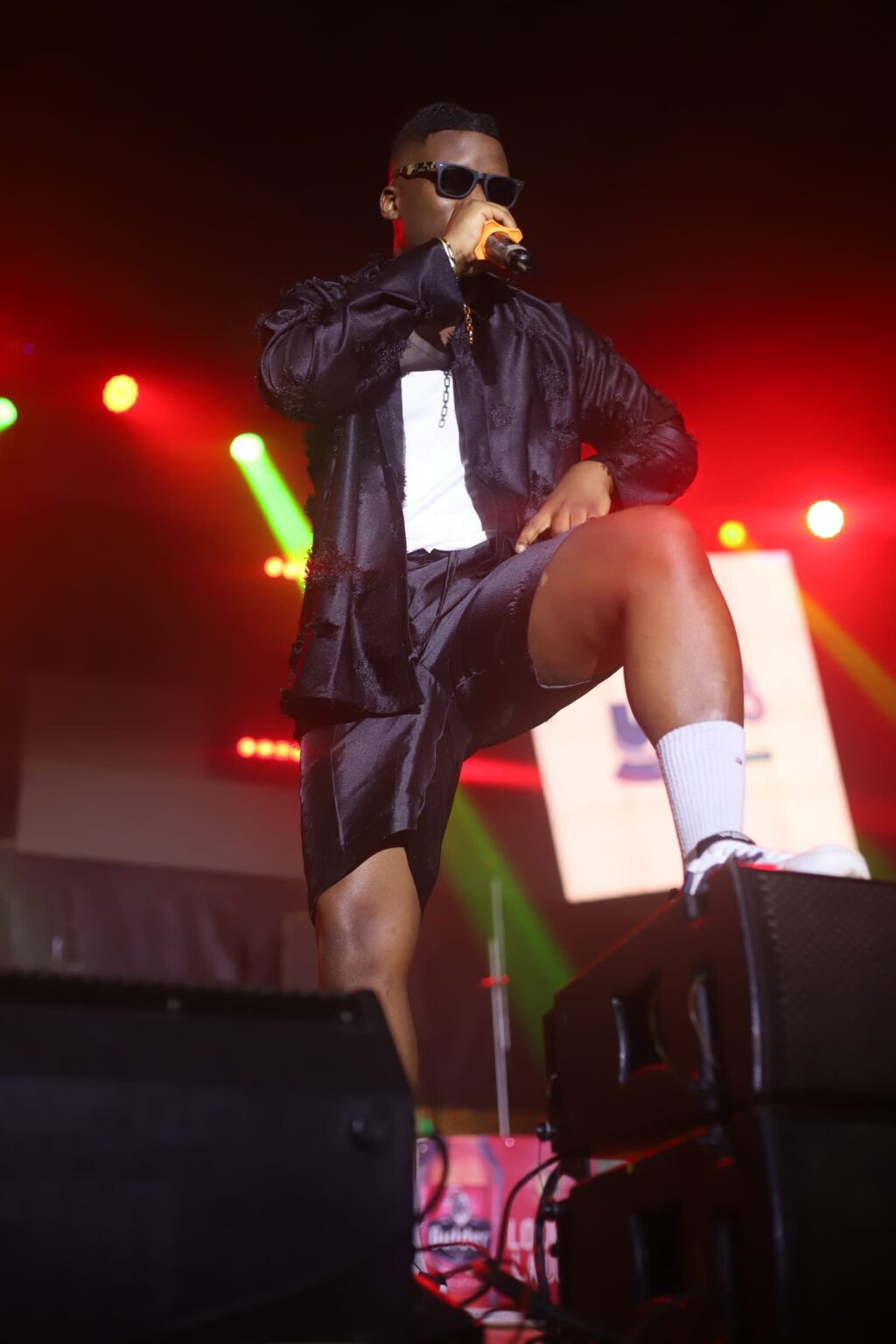
Saturday’s programme brought together established performers and emerging acts across several generations of Nigerian popular music. Daddy Showkey, Ice Prince, Ruggedman, Peruzzi and Oritsefemi were among the performers reported on stage, alongside Barry Jhay, Shoday and Tee Famous.
The mix reflects one of Felabration’s lasting strengths. Although the festival grew from the life and work of the creator of Afrobeat, it has become a broad platform where veteran musicians, contemporary stars and developing artists can appear before the same culturally engaged audience.
The final night is expected to continue that approach, with Sean Tizzle and Fuji singer Malaika among the announced performers. Any additional appearances remain subject to the organisers’ live programme, as festival line-ups can change close to stage time.
Felabration’s official history describes the event as a week-long annual celebration conceived by Yeni Kuti in 1998. It has since grown beyond a concert series into a programme incorporating school debates, an art exhibition, dance competitions, fashion and discussions about society and culture.
That wider structure is important to understanding the festival’s place in Lagos. Fela’s legacy is not confined to rhythm or performance. His work connected music to political criticism, African self-definition and resistance to social inequality. The annual programme consequently combines entertainment with spaces in which younger participants can create, compete and debate.
Ahead of the main festival week, organisers staged an art competition at the Kalakuta Museum, a dance competition at the New Afrika Shrine, school debates and the “Dress Fela” fashion show. The reported prizes for the art, fashion and dance competitions were N1 million for first place, N750,000 for second place and N500,000 for third place.
The fashion component also demonstrates how Fela’s image continues to circulate through contemporary creative industries. His bold prints, beads, open shirts, loose trousers and commanding stage presentation have remained visual reference points for designers, performers and audiences seeking distinctly African forms of expression.
Yeni Kuti, co-manager of the New Afrika Shrine, said before the festival that Felabration had become a platform for promoting Nigerian culture and attracting visitors, including members of the African diaspora. She noted that people travel from different parts of the world to experience the Shrine and the festival.
The international interest has helped position Felabration as both a music event and a cultural-tourism asset. Its official website says the Lagos State Government recognises the festival as a tourist attraction. Previous editions have hosted artists from across Africa and beyond while retaining the New Afrika Shrine as the symbolic centre of the celebration.
The 2026 headline programme includes three generations of Fela’s musical family: Femi Kuti and The Positive Force, Seun Kuti and Egypt 80, and Made Kuti. Their presence reinforces the festival’s connection to live instrumentation and Afrobeat while giving each musician room to develop a distinct artistic voice.
Other announced performers across the week included Musiliu Haruna Ishola, Terry Apala, Atawewe, Slimcase, Kleva Jay, Ceeza Milli, T.Classic, Sunkey Snoop, Soundboi and Labule. The range extends from Fuji and Apala traditions to rap, Afrobeats and contemporary street-pop, showing how Nigerian musical forms continue to meet and influence one another.
For emerging performers, appearing during Felabration can offer visibility beyond an ordinary club booking. They enter a programme associated with a globally recognised African musician and perform alongside artists with established audiences. The value is cultural as well as commercial, particularly at a time when Nigerian music is reaching listeners on every continent.
The festival also presents a challenge to organisers and participants: how to celebrate Fela without reducing him to costume, nostalgia or spectacle. The most meaningful tribute lies in keeping space for musicianship, difficult questions, creative freedom and the voices of people who are often excluded from public debate.
As the 2026 edition closes, Felabration’s continuing importance rests on that combination of memory and renewal. It honours a Yoruba-born Lagos icon whose work became international, while allowing new generations to test their own sound, style and sense of identity.
Readers attending the final programme should confirm performance times through Felabration and New Afrika Shrine channels before travelling. Podium News welcomes verified photographs and reflections from participants for follow-up coverage of the festival’s cultural impact.