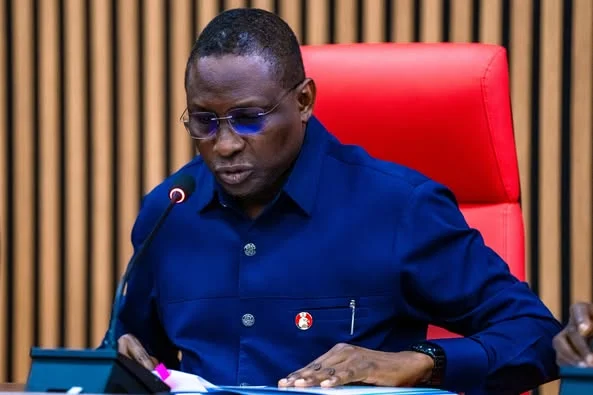
Ola Olukoyede, chairman of the Economic and Financial Crimes Commission (EFCC), has disclosed that many abandoned estates in Abuja and across Nigeria are owned by civil servants who embezzled public funds.
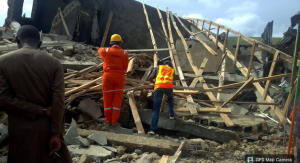
Speaking at a policy dialogue on Nigeria’s real estate ecosystem, Olukoyede revealed that some of these estates have been left unfinished for over a decade.
The EFCC has established a special team to investigate and visit these properties nationwide to ascertain actual ownership. Olukoyede explained that while in office, some civil servants used stolen money to fund real estate projects, but once they left public service and the illicit funds stopped, the estates were abandoned.
Developers are often left seeking investors to complete these stalled projects.
The commission has recently filed forfeiture suits on about 15 such estates and intends to pursue further legal action against owners who acquired properties through corrupt means.
Olukoyede also warned real estate developers and legal practitioners against enabling money laundering through property transactions.
Experts at the dialogue highlighted Nigeria’s severe housing deficit, estimated between 17 and 20 million units, with an annual production needing to hit 700,000 units.
However, housing delivery falls drastically short, with Abuja constructing only about 5,000 units in 2024, fulfilling less than 10 percent of the city’s needs. Participants attributed this gap to policy failures, regulatory weaknesses, and fraudulent practices in the sector.
Olukoyede urged stakeholders to embrace transparency, regulatory compliance, and collaboration to sanitize the housing market and ensure sustainable development across Nigeria.