
Dangote Petroleum Refinery’s initial public offering is set to remain open for an additional ten days, giving investors elsewhere in Africa more time to join what is expected to be the continent’s largest public share sale.
A company executive and an adviser to the transaction told Reuters on Monday, 12 October, that the offer would be extended beyond its original Tuesday closing date. They said the extra period was intended to accommodate investors in other African countries, although a formal announcement was still expected later on Monday.
Nigeria’s Securities and Exchange Commission and NGX Group had not publicly confirmed the change when the report was filed. A Dangote spokesperson also declined to comment. Investors should therefore wait for an official notice setting out the revised closing date and any applicable terms before acting on the extension.
A wider African offer
The share sale opened about a month ago as Dangote Group sought to broaden ownership of its refinery and raise funds for expansion. The offer is aimed heavily at ordinary investors, with the company targeting as many as ten million retail participants in Nigeria and across the continent.
Earlier transaction figures put the offer at 4.1 billion ordinary shares priced at N525 each, with potential proceeds of about N2.15 trillion if fully subscribed. Dollar estimates have varied with exchange rates and the terms used in different reports, ranging from roughly $1.6 billion to as much as $2.1 billion.
The extension would represent a practical response to one of the sale’s central challenges: enthusiasm for a pan-African investment opportunity has run ahead of the continent’s fragmented market infrastructure. Securities rules are still largely national, while cross-border settlement, currency conversion and access to approved brokers can complicate participation.
Kenyan and Ugandan regulators have already taken steps to enable eligible domestic investors to join the offering. Kenya approved a short-form prospectus for participation through a global depositary receipt, while Uganda’s Capital Markets Authority authorised the sale of the refinery’s shares to investors in that country.
The extra ten days could allow similar arrangements to reach more potential buyers and give approved intermediaries time to process applications. It will not, however, remove the need for investors to use authorised channels and study the official prospectus.
Why the offer matters
The public sale has attracted intense attention in Nigeria. Demand disrupted some investment platforms after the offer opened, and social media filled with posts from first-time buyers describing themselves as part-owners of the refinery.
That interest is significant in a country where the Nigerian Exchange says fewer than five per cent of adults invest in capital markets. A successful retail offer could bring a new generation of Nigerians into formal equity ownership and help deepen a market that remains small compared with the savings available in the economy.
Akin Dawodu, Citi’s head of banking for sub-Saharan Africa, told Reuters that the Dangote offer had “captured the public imagination”. He argued that Africa needs to mobilise more of its own capital to finance infrastructure and reduce dependence on expensive foreign borrowing.
There are also reasons for caution. Some analysts have questioned the refinery’s valuation and the relatively small portion of the business being offered to the public. Retail excitement is not a substitute for reviewing the company’s finances, governance, expansion assumptions and risk disclosures.
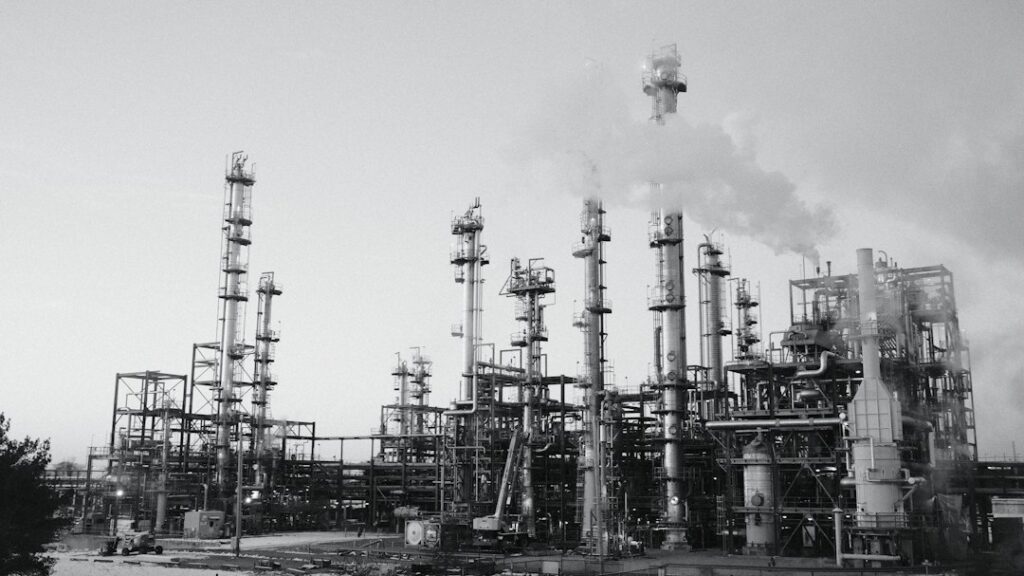
The refinery is currently described as having capacity of about 700,000 barrels per day. The company has set out plans to expand operations further, and proceeds from the offer are intended to support that ambition. The facility has already changed Nigeria’s fuel market by increasing domestic refining and supporting exports of petroleum products.
For African capital markets, the sale is also a test of whether a major industrial asset can attract broad local ownership. If the transaction succeeds across several countries, it could strengthen the case for better links between African exchanges and more consistent rules for cross-border investment.
What investors should watch
The immediate issue is the official timetable. Investors should look for a notice from Dangote Petroleum Refinery, the issuing houses, the Securities and Exchange Commission or NGX confirming the new closing date and explaining whether application procedures differ by country.
Prospective buyers should also verify that any broker, digital platform or payment route is authorised. The visibility of the offer creates opportunities for impersonation and fraud, particularly when investors are working across borders.
The extension does not change the basic discipline required of every shareholder. Buyers should read the prospectus, understand the valuation and risks, and avoid committing money needed for essential expenses.
Podium News will update this report when the revised timetable is formally announced. Readers who have applied through approved channels can share their experience with the newsroom, while withholding account numbers and other sensitive financial details.





