AI in Nigerian tourism is moving from a future ambition to a practical test as the country prepares to join the World Tourism Day 2026 conversation on Sunday, with digital discovery tools, data platforms and plans for smarter festival management placing technology at the centre of the sector’s growth strategy.
World Tourism Day, marked annually on 27 September, is being observed this year under the theme “Digital Agenda and Artificial Intelligence to Redesign Tourism”. UN Tourism says the discussion will examine how artificial intelligence can support smarter, more inclusive and more sustainable travel by improving decisions, strengthening skills and changing the way destinations are managed and experienced.
In his message for the occasion, United Nations Secretary-General António Guterres said artificial intelligence is already changing how travellers choose destinations, how tourism businesses operate and how experiences are designed. He also warned that poorly governed technology could direct visitors towards the same dominant destinations and platforms, leaving smaller communities and less visible attractions behind.
That warning is especially relevant to Nigeria. The country has a deep pool of cultural festivals, heritage sites, wildlife destinations, beaches, food traditions and creative events, but many remain difficult to find, compare or book online. A traveller may discover a destination through social media and still struggle to locate reliable opening hours, transport guidance, verified operators, accommodation options or safety information.
The Federal Ministry of Art, Culture, Tourism and the Creative Economy has been building digital initiatives intended to close parts of that information gap. Its “Ember to Remember” programme, announced in August, created a coordinated 100-day tourism season from September to December, supported by a national calendar intended to connect festivals, concerts, cultural celebrations and visitor experiences across the country. The ministry has also promoted data-led planning through platforms designed to make tourism and creative-economy information more useful to investors, operators and policymakers.
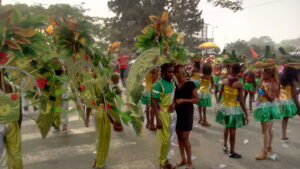
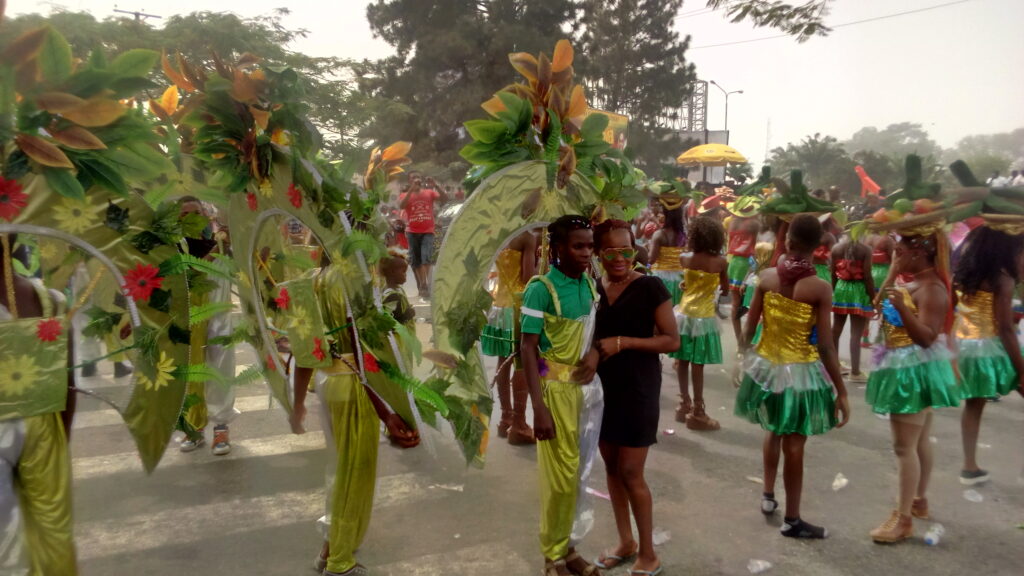
One of the clearest practical examples is emerging in Cross River State. Carnival Calabar and its technology partner, Nugi Technologies, are developing digital membership and voting systems designed to let people engage with carnival bands and activities beyond the parade route. Ugi Augustine Ugi, president of Nugi Group, said the aim is to make participation more accessible, transparent and open to audiences in Nigeria and abroad.
The proposed digital ecosystem also includes the My CrossRiver app, which is intended to connect residents and visitors with information, services and experiences across the state. Organisers say data from participation and audience behaviour could help improve planning while creating better opportunities around sponsorship, ticketing, merchandise, vendors and tourism packages.
The promise is significant. Better digital visibility could help a small guesthouse, local guide, craft maker, restaurant or transport provider reach travellers before they arrive. AI-powered translation could make information available in more languages, while recommendation tools could introduce visitors to less crowded destinations instead of repeatedly promoting only the best-known locations. Reliable data could also help states understand visitor flows, identify infrastructure gaps and measure the economic contribution of festivals and attractions.
But the risks are equally real. Tourism platforms collect location, payment and behavioural data, and that information needs strong protection. Recommendation systems can reproduce bias, exclude businesses with weak digital access or push communities towards experiences designed for algorithms rather than local meaning. If the technology is controlled by a small number of platforms, the value created by Nigerian destinations may not remain with the people who sustain them.
For Nigeria, successful digital tourism will therefore require more than launching apps. Platforms must be regularly updated, accessible on affordable devices and supported by accurate information from states, communities and operators. Tourism workers need digital training, smaller businesses need realistic routes to participate, and public agencies need clear standards for privacy, accountability and data use.
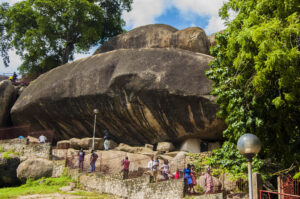
The timing also offers Nigeria an opportunity to connect digital innovation with the places already drawing visitor interest. Podium News recently explored the living history of Olumo Rock in Abeokuta, while a reciprocal visa arrangement covered in Nigeria’s travel agreement with Rwanda showed how policy can influence movement across the continent. Technology can help turn that interest into longer stays and wider local spending, but only when access, transport, service quality and trust improve alongside it.
World Tourism Day 2026 places a useful question before Nigeria: not simply whether the country will use artificial intelligence, but who the technology will serve. If local communities, workers and small tourism businesses help shape the systems, digital tools could widen opportunity and bring overlooked destinations into view. If they are left outside the process, the same tools may deepen existing gaps.
Podium News invites travellers, tourism operators and local communities to share their experiences of using digital tools to discover Nigerian destinations. Tourism businesses and event organisers seeking Business Showcase features, media partnerships or coverage may also contact Podium News.