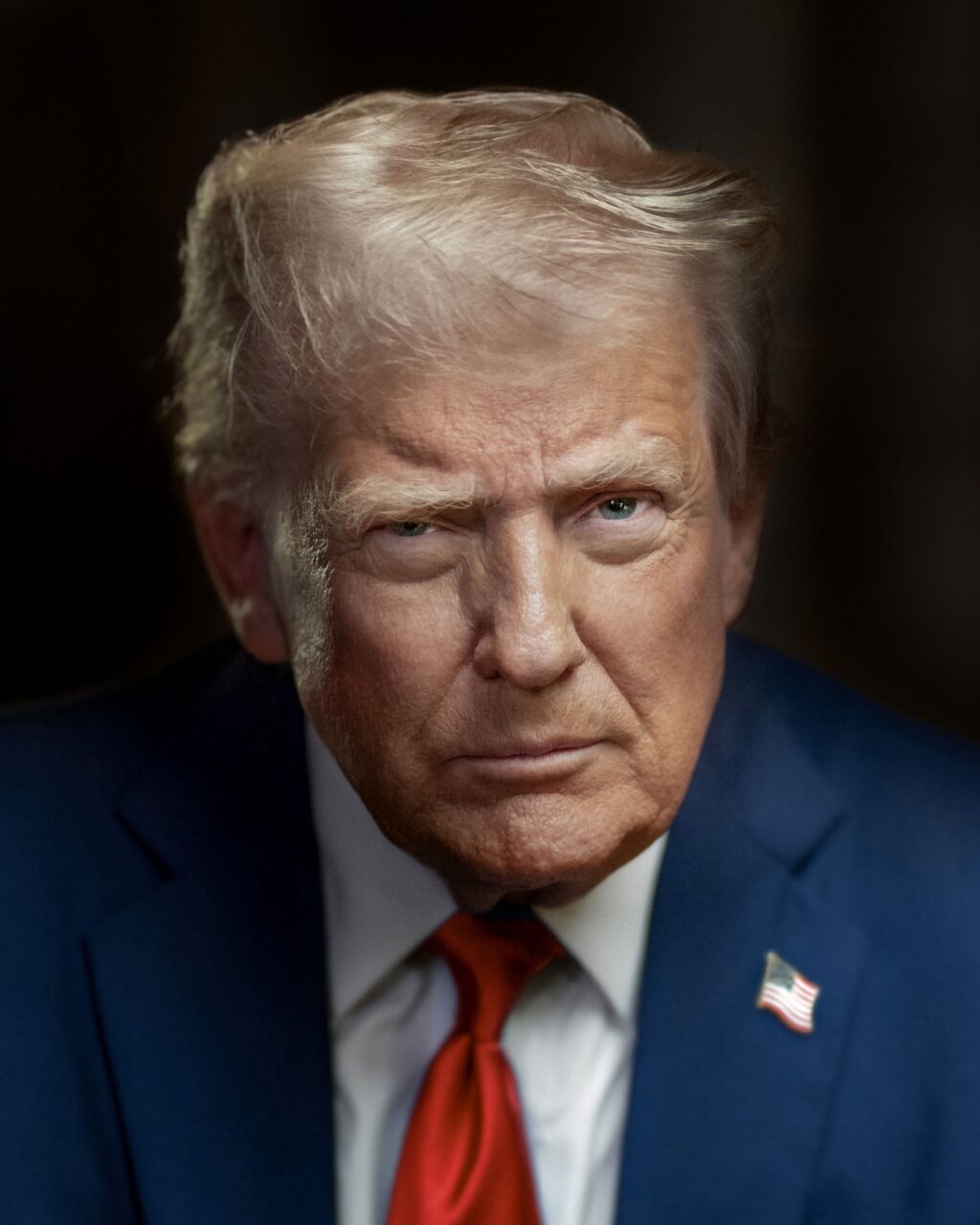
US President Donald Trump has acknowledged that his administration’s deportation policy may have been too severe for some voters, signalling a possible willingness to negotiate immigration legislation after Democrats won control of both chambers of Congress in the 2026 midterm elections.
In an interview reported by the Associated Press on Monday, 9 November, Trump was asked whether the administration’s aggressive immigration enforcement had contributed to the Republican Party’s election losses. “I think it might be too tough,” he said, in a notable change of tone from the uncompromising language that has characterised much of his immigration policy.
The president indicated that he could consider an agreement with the incoming Democratic majority allowing some undocumented immigrants who work and pay taxes to remain in the United States. He nevertheless maintained that his administration would continue efforts to remove people it identifies as criminals and drug dealers.
The comments do not amount to a new immigration law, an executive order or a suspension of deportations. Any legislative compromise would require agreement between the White House and Congress, where the Democrats’ election victories have changed the political balance but have not themselves altered existing immigration rules.
The remarks came after an election in which Democrats secured both the House of Representatives and the Senate, according to Associated Press race calls. The result gives the opposition greater influence over legislation, government spending and congressional investigations during the remaining years of Trump’s presidency.
Immigration enforcement was among the administration’s defining policies before the vote. The White House pursued expanded removals and enforcement operations, while critics questioned the treatment of migrants and the conduct of federal agents. The election result has intensified scrutiny of whether the approach alienated voters beyond the president’s core supporters.
Democratic lawmakers are preparing to examine the activities of Immigration and Customs Enforcement and the Department of Homeland Security. The debate has been sharpened by controversial enforcement operations in which two United States citizens were killed, incidents that have become part of the wider dispute over federal immigration tactics.
Despite the president’s suggestion that an agreement might be possible, the appointment of immigration hardliner Stephen Miller as White House chief of staff has raised questions among Democrats about how far the administration intends to change course. Senate Democratic leader Chuck Schumer criticised that appointment, according to the Associated Press.
Trump also discussed the political consequences of the midterms and the Republican Party’s prospects in the 2028 presidential election. He praised Vice President JD Vance and Secretary of State Marco Rubio but stopped short of endorsing either as a future presidential nominee, indicating that he might remain neutral in the contest.
The interview addressed scrutiny of the president’s business interests as well. Asked about reports that his wealth had increased substantially during his presidency, Trump rejected concerns about his personal financial benefit and said his sons were responsible for managing the family business.
For migrants and their families, the distinction between a possible political negotiation and an actual policy change remains important. Trump’s remarks offer no immediate protection from removal and establish no new eligibility for residence or employment. Existing procedures remain in place unless the administration or Congress takes a further formal step.
The new congressional balance means any immigration proposal will face negotiations between political leaders who have sharply different positions on enforcement, legal status and border security. The president’s comments have opened the possibility of talks, but neither a detailed proposal nor a timetable for legislation was announced in the interview.