Lagos State is preparing to hold its first Gele Festival on Sunday, 8 November 2026, with an event intended to celebrate the Yoruba headtie and the people whose work keeps the traditional craft visible in contemporary fashion.
The gathering is scheduled to begin at 5pm at Eko Amore Garden, Lagos. Idris Aregbe, the Special Adviser to Governor Babajide Sanwo-Olu on Tourism, Arts and Culture, announced the plans in late October and invited residents and visitors to attend wearing gele.
The announcement follows a proposal from a Lagos resident who asked the state to give the headtie a recognised place on its cultural calendar. Aregbe said the government had listened to that suggestion and was moving ahead with a dedicated celebration.
The planned festival is intended to recognise several groups involved in the gele tradition, including textile makers, professional headtie stylists, photographers and women who have passed the practice from one generation to another. The state has not yet released a detailed programme of activities.
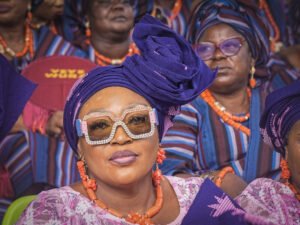
Gele is closely associated with Yoruba dress and is worn at weddings, naming ceremonies, festivals and other social occasions. Styles range from carefully folded everyday wraps to elaborate ceremonial forms shaped with stiff fabrics, including aso-oke. The skill involved is often supplied by professional stylists whose work forms part of the wider fashion and events economy.
Although the headtie has its roots in Yoruba culture, its use has travelled beyond Yorubaland, becoming familiar at Nigerian celebrations and among African communities overseas. Its changing shapes, fabrics and colours also reflect the relationship between inherited dress traditions and modern fashion.
In March, a public proposal for a Lagos Gele Festival had drawn attention to the possibility of using the craft to promote cultural tourism and give more visibility to indigenous textile businesses. Aregbe welcomed the suggestion at the time, describing gele as a Yoruba headtie that had gained recognition in other West African countries and around the world.
The latest announcement turns that earlier discussion into a dated event. Aregbe said the festival would acknowledge the people who make, style and document the headtie, rather than treating the finished look as the work of a single wearer.
“The gele is not just a headtie. It is a crown. It is Yoruba. It is ours,” Aregbe said in his announcement.
The recognition of fabric makers and stylists is particularly relevant in Lagos, where traditional attire is part of a busy market serving families, fashion designers, event organisers and photographers. Their contribution is visible in the finished garments and portraits, although the labour behind a carefully constructed gele is not always named.
For visitors, the confirmed information is the date, the 5pm starting time and the Eko Amore Garden venue. The announcement encourages people to wear gele but does not specify ticket prices, registration arrangements, a full schedule or the event’s closing time. Anyone planning to attend should check for subsequent information from the Lagos tourism authorities.
The festival is being presented as a cultural celebration, not as evidence that new jobs, visitor numbers or commercial benefits have already been achieved. Those outcomes would need to be assessed after the event, once attendance and participation are known.
Aregbe has also invited suggestions and support from residents, brands and prospective partners. The state has not publicly identified a final list of participants or announced any awards, competitions or confirmed performances in the statements reviewed.
The inaugural festival is scheduled one week into November, offering a specific date for artisans, wearers and visitors interested in a craft that remains prominent in Yoruba ceremonial life. Further practical details are expected to determine how the public can take part.
Image: A Yoruba gele photographed in Lagos in June 2025. Photograph by Yemi Festus, Wikimedia Commons, CC BY-SA 4.0. Archival illustration of the craft, not a photograph of the November 2026 festival.
Sources: Lagos Gele Festival announcement; March 2026 festival proposal and response.