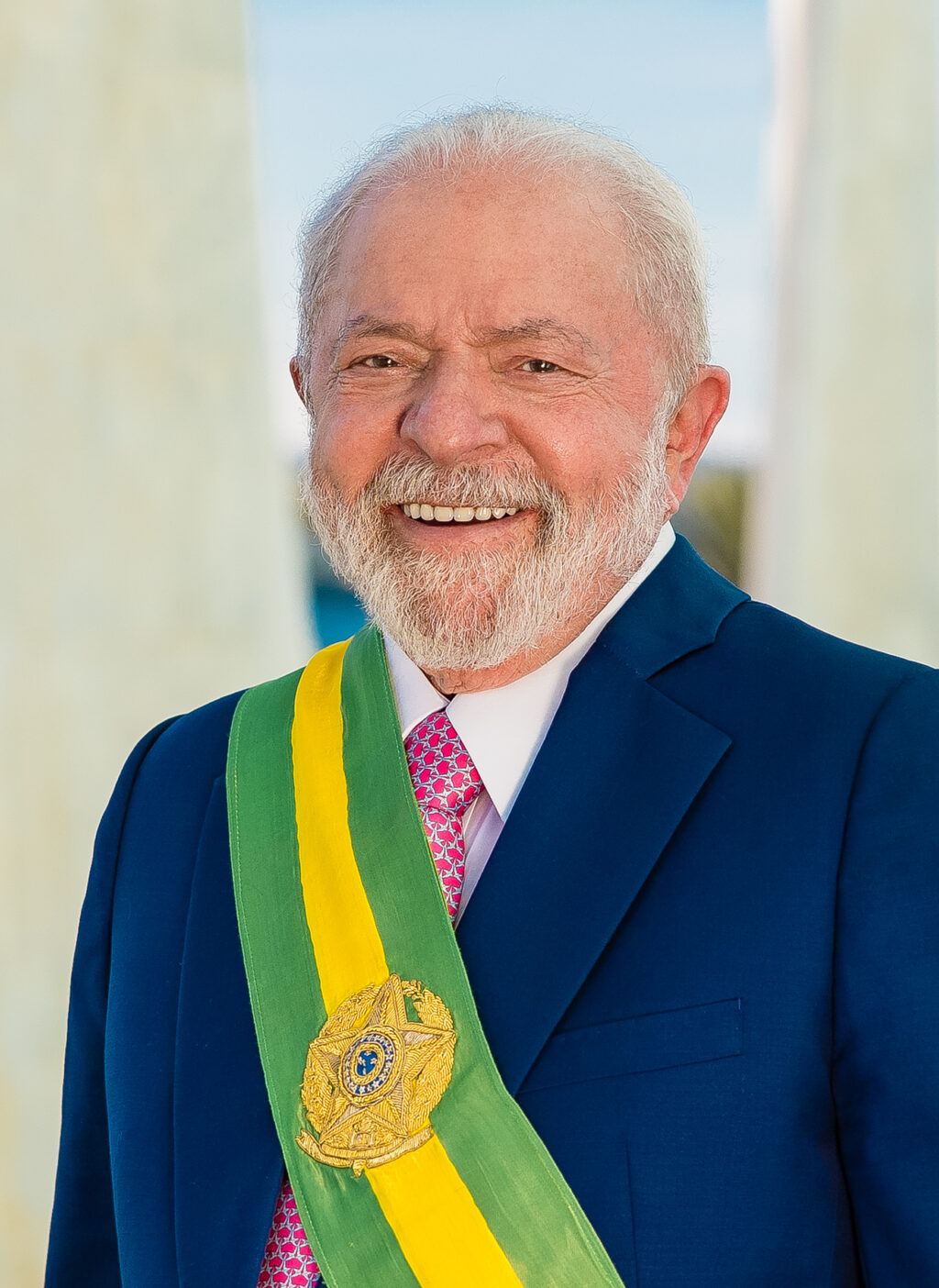
Brazilian President Luiz Inácio Lula da Silva won a fourth presidential term in Sunday’s runoff, defeating Senator Flávio Bolsonaro, who rejected the result and demanded its annulment.
Lula took about 51.8 per cent of the vote against roughly 48.2 per cent for Bolsonaro. Brazilian newspaper Folha de S.Paulo reported a 51.79 per cent share for Lula with 99.99 per cent of polling sections counted.
Brazil’s electoral authority declared Lula the winner, Reuters reported. The result returns the Workers’ Party leader to office after a contest in which his challenger had finished ahead in the first round.
Bolsonaro, the son of former president Jair Bolsonaro, questioned a last-minute extension of voting hours. The Associated Press reported that both candidates had sought extra time because of transport problems and severe weather, but the decision caused confusion and delayed counting. Bolsonaro contested the election for the Liberal Party.
Lula is the first presidential candidate since Brazil’s return to democracy to finish second in the opening round and then win the runoff, The Washington Post reported.
The runoff reversed the order of the first round on 4 October. Bolsonaro had taken about 47 per cent against Lula’s 45 per cent, leaving neither candidate with the majority needed to win outright.
The two-round system sent the leading candidates into a second vote on 25 October. The dates were fixed in the Superior Electoral Court’s official calendar, which also schedules the inauguration of the elected president and vice-president for 5 January 2027.
Lula’s victory extends a political career that began in the labour movement. He led the metalworkers’ union in São Bernardo do Campo and Diadema before helping to establish the Workers’ Party in 1980.
He was elected to the constituent Congress in 1986 and contested the presidency unsuccessfully in 1989, 1994 and 1998. His first presidential election victory came in 2002, followed by re-election in 2006.
He governed from 2003 to 2010 and returned to the presidency in January 2023 after defeating Jair Bolsonaro in the 2022 election. Sunday’s result gives him a fourth term overall, across two periods in office.
The campaign took place amid voter concern over living costs and public security. Lula defended social programmes and his government’s record, while Bolsonaro emphasised crime and food prices.
The first-round ballot also covered governors, senators and federal and state deputies, according to the electoral court.
The Washington Post reported that Lula’s next administration will face a Congress dominated by conservative forces. The presidential result therefore leaves him with the task of securing legislative support in a country divided between rival political camps.
Geraldo Alckmin again ran as Lula’s vice-presidential candidate, Brazil’s Senate news service reported. A former São Paulo governor, Alckmin served as vice-president during Lula’s current term and also held the development, industry, trade and services portfolio until April 2026.
The electoral calendar sets 18 December as the deadline for formal certification of those elected. The presidential and vice-presidential inauguration follows in January, with state governors due to take office a day later.
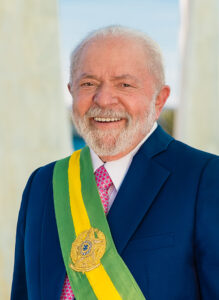
Archive photograph: Lula’s official portrait, 16 February 2023. Ricardo Stuckert/PR, via Wikimedia Commons, CC BY 2.0. Cropped and resized; not election-night imagery.