
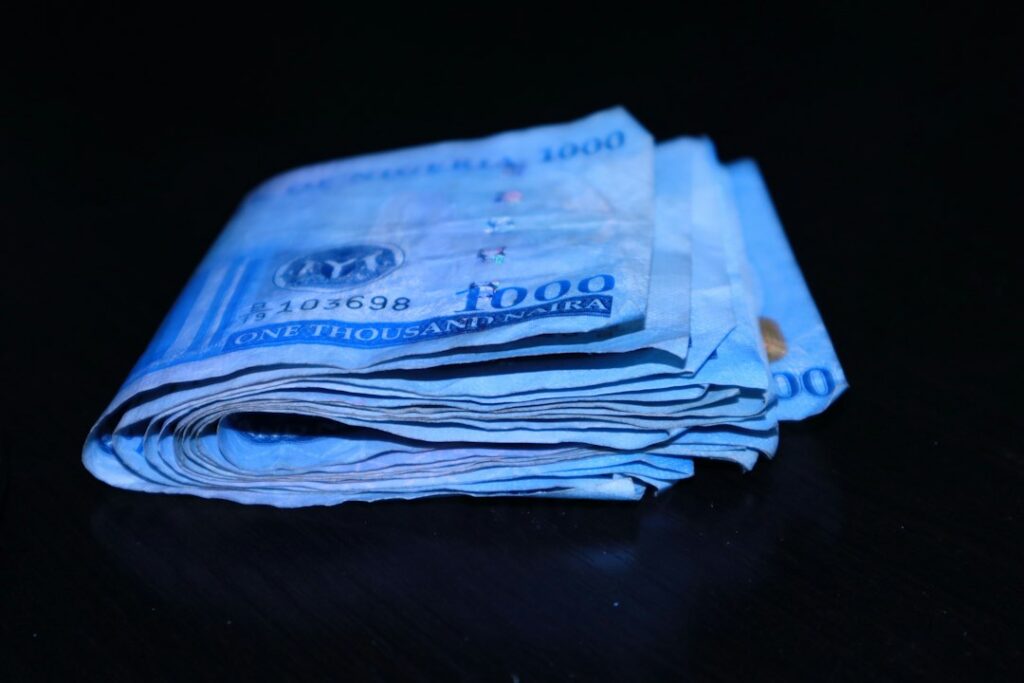
Nigeria’s Federal Government spent more on interest payments than it collected in revenue during the first half of 2026, exposing a severe fiscal constraint even as government income improved sharply.
The World Bank’s October 2026 Nigeria Development Update says federal interest payments reached ₦7.7 trillion between January and June, compared with reported revenue of ₦6.2 trillion. Interest costs therefore exceeded revenue by about ₦1.5 trillion and were equivalent to 124.2 per cent of the amount collected.
The comparison matters because it measures interest alone, not the repayment of principal. It shows how borrowing costs can absorb fiscal gains before the government funds roads, schools, hospitals, security and other services that citizens expect.
Revenue rose, but borrowing costs rose faster
The World Bank report, titled Beyond the Federal Purse: How Higher Revenues Shaped State Priorities, found that federal revenue rose from ₦3.6 trillion in the first half of 2025 to ₦6.2 trillion in the corresponding period of 2026. As a share of gross domestic product, the increase was from 1.6 per cent to 2.5 per cent.
The Bank attributed the improvement to stronger oil receipts, higher corporate tax collections and increased independent revenue. Customs revenue was broadly stable, while value added tax receipts were comparatively flat.
Interest payments, however, rose from ₦5.6 trillion to ₦7.7 trillion over the same period. That was an increase of ₦2.1 trillion, or 37.5 per cent. The burden also climbed from 2.5 per cent to 3.1 per cent of GDP, with the report pointing to “high domestic borrowing costs” as a major factor.
The result is a striking imbalance. The government collected ₦2.6 trillion more revenue than it did a year earlier, but its interest bill also increased by ₦2.1 trillion. Most of the additional collection was therefore matched by the rise in financing costs.
Capital spending comes under pressure
Reported federal capital expenditure fell to ₦700 billion, or 0.3 per cent of GDP, from about one per cent of GDP in the first half of 2025. The interest bill was 11 times the reported capital spending figure.
Total federal expenditure increased in nominal terms from ₦14.6 trillion to ₦16.1 trillion, but slipped slightly as a share of the economy, from 6.6 per cent to 6.5 per cent of GDP. Personnel costs rose from ₦3.7 trillion to ₦4.2 trillion following wage adjustments, while remaining at 1.7 per cent of GDP.
These figures do not mean every infrastructure project stopped, and half-year capital expenditure can be affected by the timing of releases and reporting. They nevertheless illustrate the opportunity cost of expensive borrowing. Each naira used to service existing obligations is unavailable for a new classroom, health centre, power project or water system unless the government raises more revenue or borrows again.
A stronger economy has not removed the fiscal risk
The wider update presents a mixed picture. The World Bank says real GDP grew by 4.2 per cent in the first half of 2026, up from 3.9 per cent in the same period of 2025. Services led the expansion, while agriculture made a stronger contribution.
Higher oil prices improved export earnings and helped lift the current account surplus to $12 billion in the first half of the year. Gross external reserves also rose above $54 billion in September, according to the Bank.
At the same time, the oil price shock slowed the earlier decline in inflation. Higher fuel and food prices continued to weaken household purchasing power. The contrast is important: stronger headline growth and revenue do not automatically improve living standards when inflation and financing costs remain high.
President Bola Tinubu has welcomed the report as evidence that his administration’s reforms are strengthening the economy. The World Bank also acknowledged the revenue gains, particularly at state level, but said the next task is to convert greater fiscal resources into better services, jobs and infrastructure.
Mathew Verghis, the World Bank’s country director for Nigeria, said stronger spending efficiency, accountability and service delivery would be essential if higher public revenue is to improve Nigerians’ lives.
Why domestic interest rates matter
The report’s reference to domestic borrowing costs points to a difficult policy trade-off. High interest rates can help restrain inflation and support the currency, but they also make new government borrowing more expensive and raise the cost of refinancing maturing obligations.
If debt service continues to grow faster than revenue, authorities may face pressure to reduce other spending, increase taxes, sell assets or issue more debt. Further borrowing at elevated rates can then deepen the same problem.
The most durable response is not simply to celebrate higher revenue. Nigeria must improve the quality and predictability of public spending, limit costly borrowing, strengthen debt management and ensure that new debt finances projects capable of expanding productivity and government income.
Transparent budget execution will be central. Citizens should be able to see how much revenue is collected, how much is committed to interest and principal payments, and how much reaches capital projects in each quarter.
Businesses, investors and civil society should follow the 2026 budget implementation reports and the Debt Management Office’s future debt releases closely. The first-half figures show that Nigeria’s revenue reforms are producing more income, but they also show why fiscal progress cannot be judged by collections alone.





