The Federal Government of Nigeria has clarified its position following the United States’ recent tightening of visa restrictions for Nigerian travelers.
The government denied claims that it had stopped issuing five-year non-immigrant multiple-entry visas to US citizens—a policy the US cited as justification for its new restrictions on Nigerians.
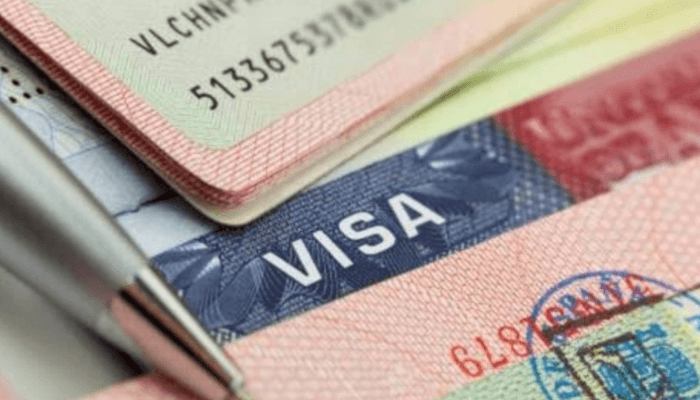
The US government has introduced a series of tougher immigration policies, including a new $250 Visa Integrity Fee that will apply to most non-immigrant visa applicants such as students, tourists, and workers.
This fee, set to take effect in 2026, comes on top of existing visa application charges and will be adjusted annually for inflation.
Additional surcharges include a $24 I-94 fee, a $13 ESTA fee for Visa Waiver Program travelers, and a $30 EVUS fee for certain Chinese nationals. Only diplomatic categories (A and G) are exempt from these new fees.
Recently, the US reduced the validity of non-immigrant and non-diplomatic visas for Nigerians to three months with single-entry, citing reciprocity.
However, the Nigerian government has pushed back, stating that it continues to grant US citizens five-year multiple-entry non-immigrant visas, in line with longstanding bilateral agreements.
The presidency emphasized that the 90-day single-entry validity only applies to newly introduced e-Visas, which are meant for short-term tourists and business visitors seeking a faster, online application process.
This e-visa replaces the former visa-on-arrival policy, which was criticized for inefficiency and abuse.
The government further explained that the e-visa policy was adopted to enhance investment, trade, and tourism, and to improve the ease of doing business for foreigners.
While Nigeria has extended this e-visa option to US citizens and others, it noted that the US has not reciprocated for Nigerians.
In official statements, the Nigerian government expressed concern that the US’s justification of reciprocity does not accurately reflect the situation, and reaffirmed its commitment to dialogue and engagement with US authorities to resolve the dispute in a fair and just manner.
The US, for its part, maintains that the new measures are part of a broader global crackdown on immigration, citing national security, economic, and public health concerns.
The US embassy in Nigeria stated that these changes are consistent with global standards and are designed to protect the integrity of the US immigration system.
The new visa rules have sparked debate within Nigeria. Some, like business leader Sunny Onuesoke, have argued that the restrictions should serve as a wake-up call for African nations to address domestic shortcomings, such as inadequate healthcare and limited economic opportunities, which drive citizens to seek opportunities abroad.
As the situation develops, the Nigerian government has reiterated its readiness to continue diplomatic engagement with the US to address the recent visa restrictions and maintain the spirit of cooperation and mutual respect that has characterized relations between the two countries.