
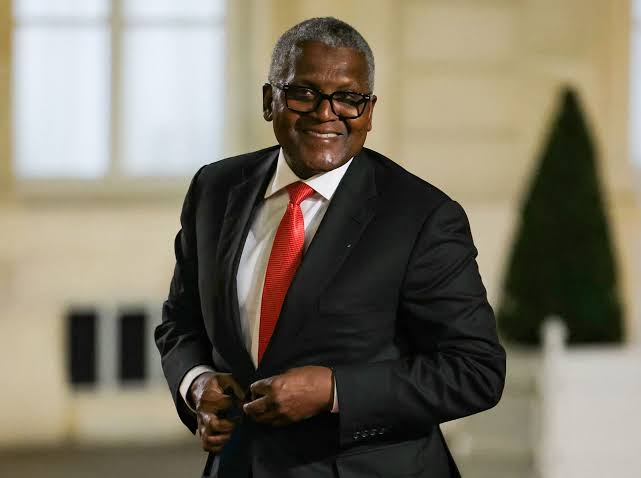
Aliko Dangote, president of Dangote Group, rang the opening gong at the Nigerian Exchange on Monday for the initial public offering of Dangote Petroleum Refinery & Petrochemicals FZE, a sale of 4.1 billion shares at N525 apiece that could raise N2.2 trillion ($1.4 billion) and stands as Africa’s largest industrial listing.
The order book runs through October 13. Beyond the headline numbers, the offer signals how far and how fast Nigeria’s energy sector has been rewired over the past two years.
Fuel import substitution is real, not rhetoric. Petrol imports fell to about 50,000 barrels a day in February, a nine-year low, as the refinery’s output covered 64 percent of domestic petrol consumption that month. For a country that spent decades as West Africa’s largest gasoline importer, that is the clearest evidence yet that the $19 billion Lekki plant is doing what it was built to do.
Nigeria’s energy security now runs through one company. The refinery, rerated to 700,000 barrels a day of capacity in July, supplies the bulk of the country’s petrol, diesel and jet fuel through direct agreements with a dozen local marketers. That concentration cuts import dependence, but it also means a single private asset now sits at the center of national fuel supply, a structural shift regulators and investors are still learning to price.
Global capital is willing to underwrite Nigerian energy risk. A $1 billion underwriting programme and a private placement that drew the Africa Finance Corporation, sovereign wealth funds and reported interest from UAE’s ADNOC show that large, well-structured energy assets can still pull in institutional money even as smaller upstream players struggle to raise financing in Nigeria.