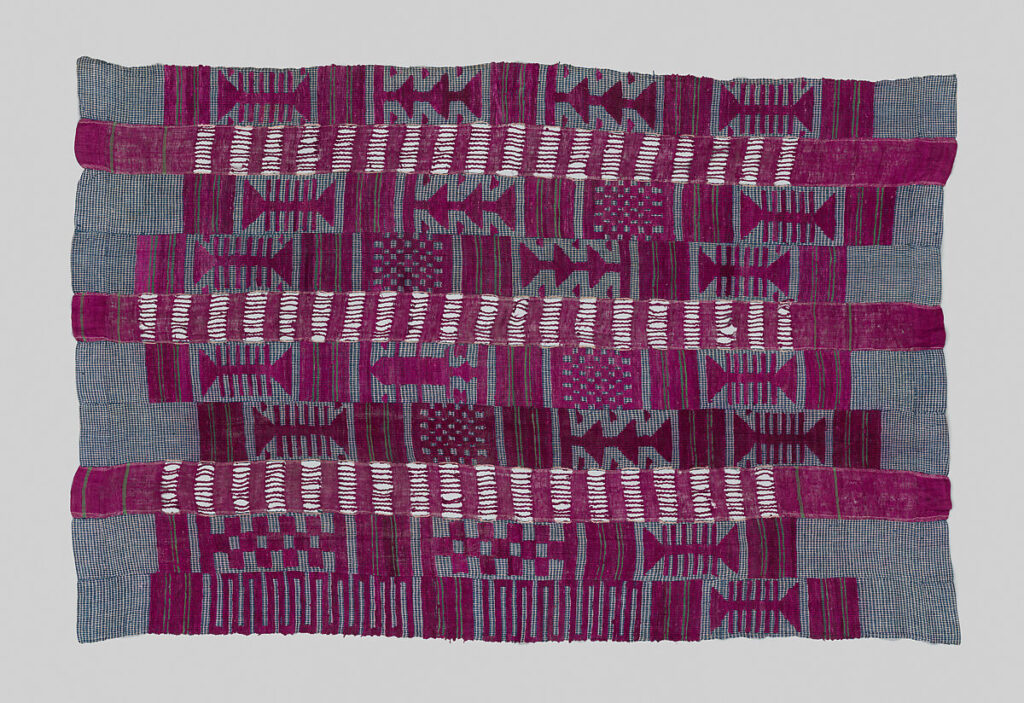
The Oyo State Government has pledged support for the 2026 Aso-Ofi International Festival, scheduled to take place in Iseyin from 24 to 26 November, as the state seeks to connect the town’s established weaving tradition with cultural tourism, enterprise and wider markets for local artisans.
Dr Wasiu Olatubosun, the Commissioner for Culture and Tourism, announced the commitment on Wednesday during a press conference in Ibadan organised with the Aso-Ofi Weavers and Marketers Association. He said the festival was intended to preserve an indigenous textile tradition while creating opportunities for investment, business networking and economic activity in the creative sector.
Olatubosun described Aso-Ofi as a cultural asset with commercial potential, particularly for Iseyin, where weaving and the sale of traditional cloth support families and businesses. He said the state wanted to develop its cultural resources into tourism products capable of attracting visitors, generating revenue and creating jobs.
“Our responsibility is to preserve its heritage while creating pathways for its commercial growth and global recognition,” the commissioner said.
The festival will begin on Tuesday, 24 November, with a rally from the Iseyin Local Government Secretariat to the palace of the Aseyin of Iseyin. The second day is scheduled to feature the Aso-Ofi International Symposium, while the grand finale will take place on Thursday, 26 November, at the Aso-Ofi Exhibition Ground.
The programme is expected to include cultural displays, traditional weaving competitions, exhibitions, fashion shows, symposium sessions and seminars. Organisers say the activities will bring artisans and other participants in the textile and creative industries together to discuss preservation, design, enterprise and the development of new markets.
The partnership between the state ministry and the Aso-Ofi Weavers and Marketers Association places the people who make and trade the cloth at the centre of the event. The association is expected to showcase different varieties of woven fabric, contemporary designs and uses beyond ceremonial clothing, including fashion and other products that can reach a broader customer base.
Alhaji Sulaimon Onimama, chairman of the association, represented by its secretary, Wahab Gafar Abiodun, described the textile trade as the economic heartbeat of Iseyin. He said more than 90 per cent of residents depended directly or indirectly on the industry. That figure was presented by the association and was not accompanied by an independently published employment or household survey in the material reviewed.
The association said the festival would provide a platform for weavers, marketers, designers and other creative businesses to display their work and build commercial relationships. It also wants the cloth to be considered for contemporary clothing, accessories and interior decoration, rather than being confined to traditional and ceremonial occasions.
Olatubosun said the festival was part of a wider effort to strengthen the relationship between cultural preservation and economic development. He commended Governor Seyi Makinde for supporting initiatives intended to protect indigenous heritage and promote the state’s tourism sector. He also recognised the work of the Aso-Ofi Weavers and Marketers Association and other stakeholders in sustaining the weaving tradition.
Alade Bello, the Permanent Secretary in the Ministry of Culture and Tourism, invited tourists, investors, researchers, fashion entrepreneurs and cultural organisations to attend. He said the event would offer visitors an opportunity to learn about Yoruba textile heritage while exploring commercial prospects in the state’s creative industries.
The festival’s organisers are presenting Iseyin’s weaving tradition as both a cultural inheritance and an economic activity. That distinction is important to the artisans and traders whose livelihoods depend on the production, finishing, marketing and sale of the cloth. Exhibitions and fashion presentations can introduce products to new audiences, while the symposium is intended to create space for discussion about innovation, entrepreneurship and the long-term development of the sector.
The announcement did not specify the amount of financial support committed by the state government, a target for visitor numbers or a projected value for sales and investment during the festival. The immediate programme is clear, but the longer-term economic results will depend on whether the event leads to sustained orders, stronger distribution channels and continued opportunities for the weavers and businesses involved.
The three-day festival is due to open with the procession through Iseyin on 24 November, followed by the symposium and the final exhibition programme. The state government and the association have invited people working in tourism, fashion, research and the creative economy to take part.