Nigeria’s National Assembly has demanded investigations into the condition and maintenance of military aircraft after the Nigerian Air Force crash in Igbokoda, Ondo State, killed all 25 people on board.
The Senate and House of Representatives adopted separate resolutions on Tuesday calling for greater scrutiny of the Air Force fleet and the systems used to fund, schedule and supervise aircraft maintenance.
The action represents a material new phase in the response to the 5 October disaster. The Nigerian Air Force had already opened an investigation into the cause of the crash, but lawmakers are now seeking broader oversight of aircraft serviceability, airworthiness and maintenance spending.
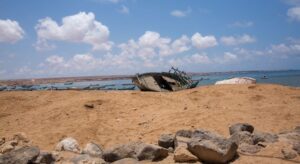
The aircraft, an ATR-42 with tail number NGR 931, was travelling from Benin City to Lagos on a routine mission when air traffic controllers lost contact with it. The wreckage was found near the Naval Base in Igbokoda, headquarters of Ilaje Local Government Area. There were no survivors among the 20 passengers and five crew members.
Initial reports from the aviation ministry said 32 people were on board. The Air Force later corrected the figure to 25 and released the victims’ names. Podium News reported that confirmed list on 6 October.
Lawmakers widen the safety inquiry
In the Senate, the resolutions followed a motion sponsored by Osita Ngwu, who represents Enugu West. The chamber mandated its committees on the Air Force and aviation to visit the crash site, engage military authorities and examine the serviceability and airworthiness of aircraft in the presidential and military fleets.
Senators also sought a review of maintenance funding, including questions about whether appropriated money was released and used for its intended purpose. The chamber observed a minute’s silence for those killed and offered condolences to their families, the Air Force and the Ondo State Government.
The House of Representatives called for an independent investigation into the crash and an audit of military aircraft to identify safety gaps and recommend corrective action. Its intervention adds parliamentary oversight to the technical investigation ordered by President Bola Tinubu after the disaster.
The immediate cause of the crash has not been publicly established. That distinction is important. A call for an audit does not prove that poor maintenance caused the accident, and lawmakers have not released evidence linking the loss of NGR 931 to any specific mechanical failure.
The parliamentary inquiries should therefore preserve evidence, avoid premature conclusions and allow aviation specialists to determine what happened. At the same time, a fleet-wide review can examine risks that extend beyond the single aircraft, including maintenance intervals, spare-parts supply, crew training, record keeping and the management of ageing equipment.
Why transparency matters
Military aviation investigations often involve information that cannot be disclosed immediately for operational and security reasons. However, the deaths of 25 service personnel and passengers create a compelling public interest in a credible account of the accident and the measures taken to prevent another one.
Families need more than condolences. They deserve timely information about the investigation, a clear process for official support and assurance that any avoidable failure will be identified and corrected.
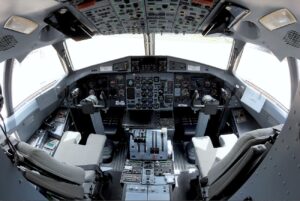
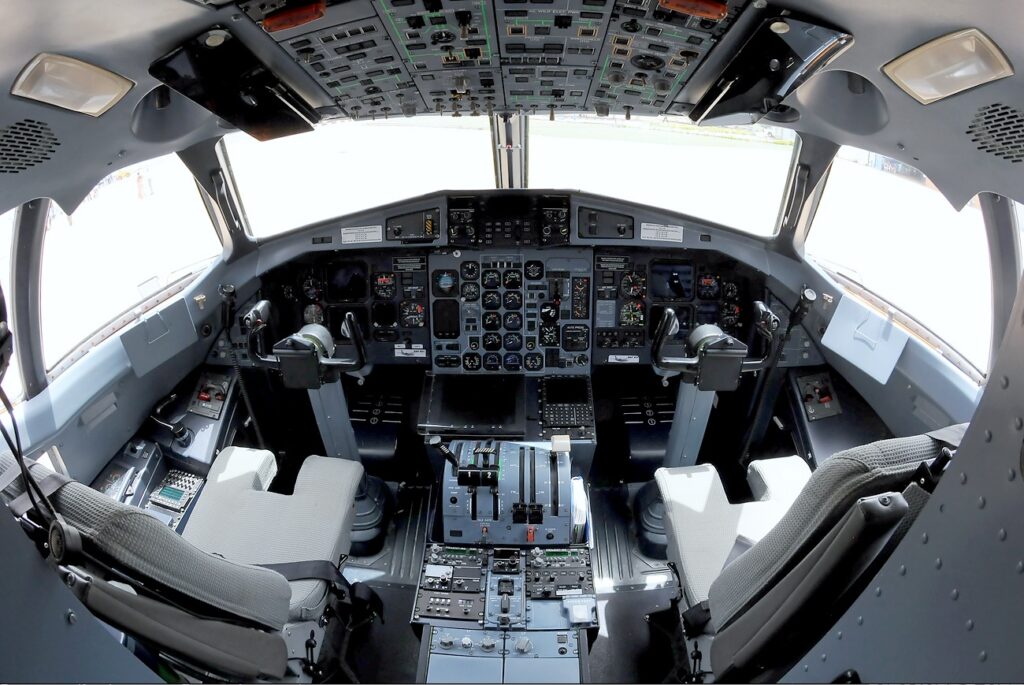
The public also needs confidence that aircraft carrying military personnel and other authorised passengers are maintained to rigorous standards. The ATR-42 type is used by the Nigerian military for transport as well as intelligence, surveillance and reconnaissance missions, making its reliability important to both operational readiness and human safety.
A useful audit should distinguish between aircraft that are fully serviceable, those undergoing scheduled maintenance and those that should remain grounded. It should also examine whether maintenance contracts, parts procurement and technical inspections meet the manufacturer’s requirements and recognised aviation standards.
Funding is another central question. An allocation in a budget does not guarantee that money was released on time, while a release does not prove that maintenance was completed properly. Parliament’s committees will need documentary evidence and technical expertise if their review is to move beyond political statements.
From inquiry to prevention
President Tinubu ordered an investigation after the crash and declared three days of national mourning. The Air Force leadership described the loss as a deeply painful moment and promised support for the bereaved families.
The next measure of accountability will be whether the technical investigation and parliamentary reviews produce findings, deadlines and verifiable safety improvements. Previous transport disasters in Nigeria have sometimes generated urgent promises that faded before systemic lessons were fully implemented.
Lawmakers should publish as much of their conclusions as national security permits. At minimum, Nigerians should be told whether the audit found fleet-wide safety concerns, what remedial work was ordered and how compliance will be monitored.
The Air Force should also provide periodic updates without compromising the integrity of the investigation. Silence can fuel speculation, especially when initial casualty figures have already required correction.
The deaths at Igbokoda have placed military aviation safety under renewed scrutiny. A thorough investigation must establish why NGR 931 went down, while the wider audit must answer an equally important question: whether every reasonable step is being taken to protect those who board Nigeria’s military aircraft.
Podium News will continue to monitor the investigations, the aircraft audit and official support for the victims’ families.