For many Nigerians who have watched the Dangote Refinery rise from a vast construction site outside Lagos into one of Africa’s most closely followed industrial projects, the opportunity to own even a small part of the business carries more than financial significance. A new public offer has opened the door to retail investors with a minimum subscription of 10 shares, priced at ₦525 each, placing the lowest entry point at ₦5,250.
The offer involves about 4.1 billion shares in Dangote Petroleum Refinery and Petrochemicals and is expected to raise approximately ₦2.15 trillion if fully subscribed. Details released for the offer indicate that applications are scheduled to close on 13 October, while trading on the Nigerian Exchange is expected to begin later in November, subject to the completion of the required processes. At the opening gong ceremony, Dangote described the exercise as a People’s IPO intended to widen public ownership.
The relatively low minimum subscription has helped generate interest among people who may never previously have considered buying shares. For some first time investors, the attraction is the chance to participate in a company associated with fuel production, national industrial ambition and one of Nigeria’s most recognisable business names. Reports of heavy traffic on some digital investment platforms suggest that the offer has already captured considerable public attention.
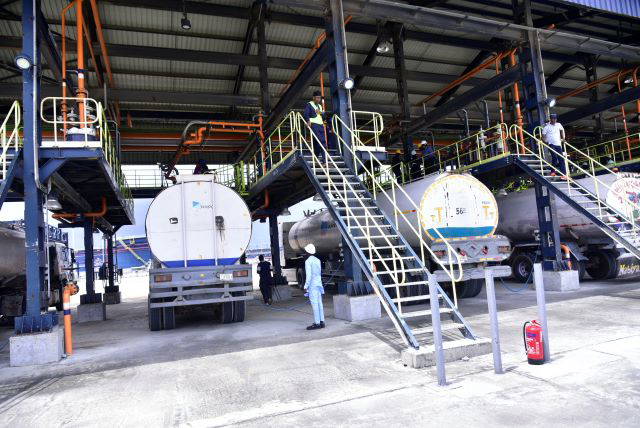
That excitement is understandable. Built at an estimated cost of about $20 billion, the refinery began operations in 2024 and has developed into a major supplier of refined petroleum products. Its current processing capacity is reported at about 700,000 barrels a day, with plans to expand substantially over the coming years. The company says proceeds from the public offer will support further growth and strengthen its ability to raise capital for future development.
The business case has also been strengthened by a sharp improvement in the refinery’s recent financial performance. Figures reported ahead of the offer show revenue exceeding $13 billion in the first half of 2026 and a net profit of about $1.82 billion. That performance represents a significant turnaround from the loss recorded in the previous year and has added to expectations surrounding the listing.
“We fully share all our prosperity with the people.”
Aliko Dangote
For Nigeria, the offer carries wider significance. The country has spent decades exporting crude oil while importing large volumes of refined fuel, a contradiction that has placed pressure on foreign exchange and exposed consumers to disruptions in international supply. The refinery has already reduced some of that dependence and increased Nigeria’s ability to export refined products to other markets.
However, public enthusiasm should not remove the need for careful consideration. The offer places a high valuation on the refinery, while the shares available to the public represent only a minority interest in the company. Existing owners will continue to exercise substantial control, and retail investors will have limited influence over major corporate decisions.
The refinery’s future earnings will also remain exposed to factors beyond the excitement of the initial offer. Global oil prices, foreign exchange movements, operating costs, regulatory decisions, debt obligations and the reliability of crude supply can all affect performance. A profitable period does not guarantee that the same level of returns will continue, particularly in an industry known for rapid changes in prices and demand.
Prospective investors therefore need to distinguish between confidence in the Dangote name and an informed assessment of the investment itself. The offer document should be read carefully, particularly the sections covering risk, ownership, use of proceeds and financial performance. Applications should be made only through authorised channels and registered capital market operators.
The strongest human story behind the offer may ultimately be the number of Nigerians entering the capital market for the first time. If the process is transparent and investors receive clear information, the listing could widen public participation in one of the country’s most important industrial businesses. Lagos State Governor Babajide Sanwo-Olu said, “This transaction is changing perceptions about what is possible in Africa.” It could also encourage more Nigerian companies to consider raising capital from a broader section of the population.
For the small investor committing ₦5,250 rather than millions of naira, ownership will be modest. Even so, the offer represents a notable shift from watching a major national business from the outside to holding a direct, if limited, financial stake in its future. The real test will come after the excitement subsides, when the refinery’s performance, governance and treatment of minority shareholders determine whether the promise of a people’s offer produces lasting value.
Are you considering buying shares for the first time through this offer? Before committing money, obtain and read the official prospectus, confirm that the application channel or stockbroker is authorised, and seek independent advice where necessary. Then tell Podium News in the comment section what attracted you to the offer, what concerns you and whether the application process was accessible.