Botswana’s decision to authorise the killing of 23 elephants for its 60th independence anniversary has ignited a difficult national debate over wildlife conservation, rural livelihoods and the symbolism of using threatened animals in a public celebration.
The southern African country marked six decades of independence on Wednesday, 30 September. In the weeks before the anniversary, the Ministry of Environment and Tourism approved complimentary hunting licences for elephants and several species of antelope, with district authorities asked to organise the hunts in accordance with wildlife laws.
Officials said the elephant meat would be shared with needy rural communities during the celebrations. The government has defended the decision as part of Botswana’s wider approach to wildlife management, arguing that controlled hunting can generate benefits for people who live alongside large and sometimes dangerous animals.
Dimakatso Ntshebe, a spokesperson for the Department of Wildlife and National Parks, said there were “many elephants” in Botswana and that conservation had to benefit communities living with wildlife if it was to succeed.
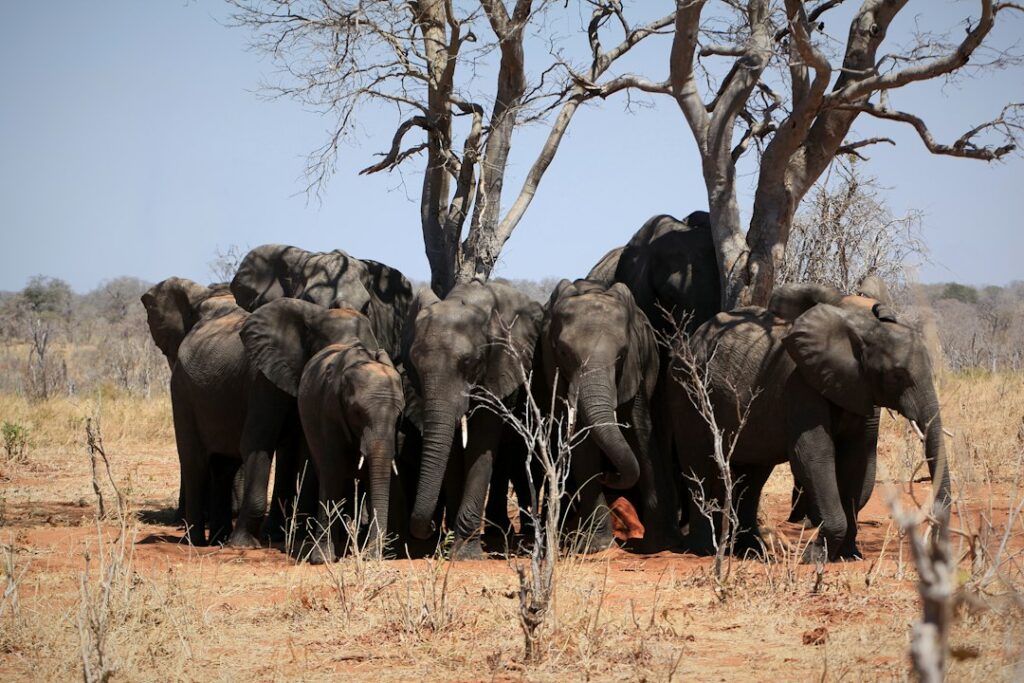
That argument reflects a long-running tension in Botswana. The country is home to about 130,000 elephants, the largest national population in the world. Official figures have put the number at 131,909, representing more than half of the elephants counted across the wider Kavango Zambezi conservation region.
For many international visitors, the herds are among Botswana’s greatest natural attractions and a cornerstone of its high-value tourism industry. For residents in farming settlements, however, close contact with elephants can bring destroyed crops, damaged property and, in some cases, serious injury or death.
Botswana compensates residents for some losses caused by wildlife and has used measures including patrols, barriers and cluster fencing. The government has also been reviewing its elephant management policies as communities press for stronger protection and faster responses to conflict.
Supporters of regulated hunting say those realities are often overlooked in international conservation debates. They argue that communities are more likely to support wildlife protection when they receive food, income or development benefits and when authorities respond credibly to the risks they face.
Critics do not dispute the burden on rural communities, but they question whether anniversary celebrations are an appropriate reason to kill elephants. The Botswana Elephant Protection Society described the decision as reckless and warned that shooting members of a herd can make surviving elephants more defensive around people.
Former President Ian Khama, who imposed a hunting ban while in office, has also opposed the move. He warned that using elephants for a national celebration could establish an expectation that wildlife should be killed for future anniversaries and other public occasions.
The dispute is sharpened by the difference between Botswana’s national population and the species’ global conservation status. The International Union for Conservation of Nature lists the African savanna elephant as Endangered. Across the continent, elephant populations have been damaged by decades of poaching and habitat loss, even though numbers remain high in parts of southern Africa.
Botswana lifted its blanket hunting ban in 2019 and has since issued annual elephant quotas, generally numbering in the hundreds. The government maintains that its quotas are scientifically managed and represent only a small share of the national herd. Conservation groups argue that the impact of a hunt cannot be measured by numbers alone because elephants live in close social groups and occupy an important place in the country’s global image.
The independence licences therefore carry significance beyond the 23 elephants involved. They test how Botswana wants to present the relationship between national heritage, community welfare and one of Africa’s most recognised species.
There is also an economic question. Botswana has built an international reputation around expansive landscapes and wildlife tourism. A policy that local communities see as practical may still attract criticism from travellers and conservation organisations abroad. Conversely, policies shaped mainly by overseas opinion risk alienating citizens who bear the daily cost of living near elephants.
A durable answer is unlikely to come from either unrestricted hunting or blanket protection without community support. Better land-use planning, reliable compensation, rapid response teams, wildlife corridors and transparent population data can all help. Where hunting is allowed, clear public reporting on quotas, selection, enforcement and the distribution of benefits is essential to public trust.
The anniversary controversy has placed those choices under a brighter spotlight. Botswana’s elephant population is both a conservation achievement and a management challenge. The country’s next steps will matter to rural families, tourism operators and wildlife advocates far beyond its borders.
Podium News invites readers to share their views: how should African governments balance endangered wildlife protection with the safety and livelihoods of communities living alongside large animal populations?