
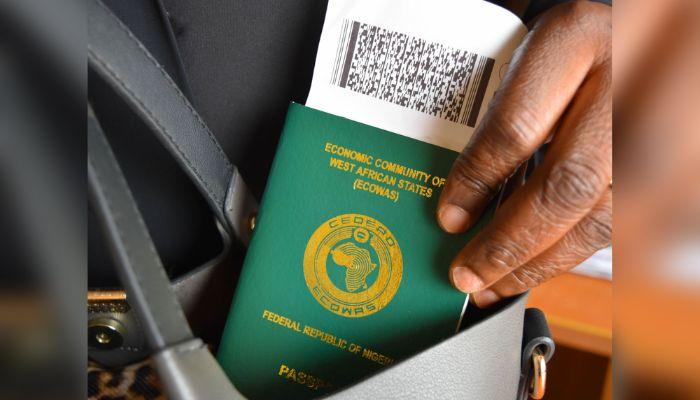
The photograph usually comes first. A young Nigerian stands at the airport, passport in hand, luggage beside him, smiling as family members gather for one last embrace. Someone captures the moment and posts it on WhatsApp, Instagram or Facebook: “Our own is leaving!” The comments quickly follow: congratulations, prayers, heart emojis and the familiar advice: “Please don’t forget us when you get there.” In that photograph, everything looks perfect.
Nobody sees the uncertainty waiting at the other end – the expensive rent, loneliness, unfamiliar systems, job struggles or the painful possibility that the dream of building a new life abroad could eventually collapse.
This is the complicated story of Japa, Nigeria’s popular expression for leaving the country in search of better opportunities. For many Nigerians, Japa is not a fashionable trend. It is an escape route: the nurse searching for better working conditions, the graduate looking for a career opportunity, the young couple seeking a more predictable future for their children, or the professional worn down by years of economic uncertainty. But what happens after the plane lands?
That’s where the real story begins — in shared apartments where four people split one room, in CVs that get ignored because there is no “UK experience,” in the first winter that feels like it will never end, and in the quiet video calls where you smile and say “we are managing” while calculating how much is left after bills.
Japa can be liberation. It can be lonely. It can be both at the same time.