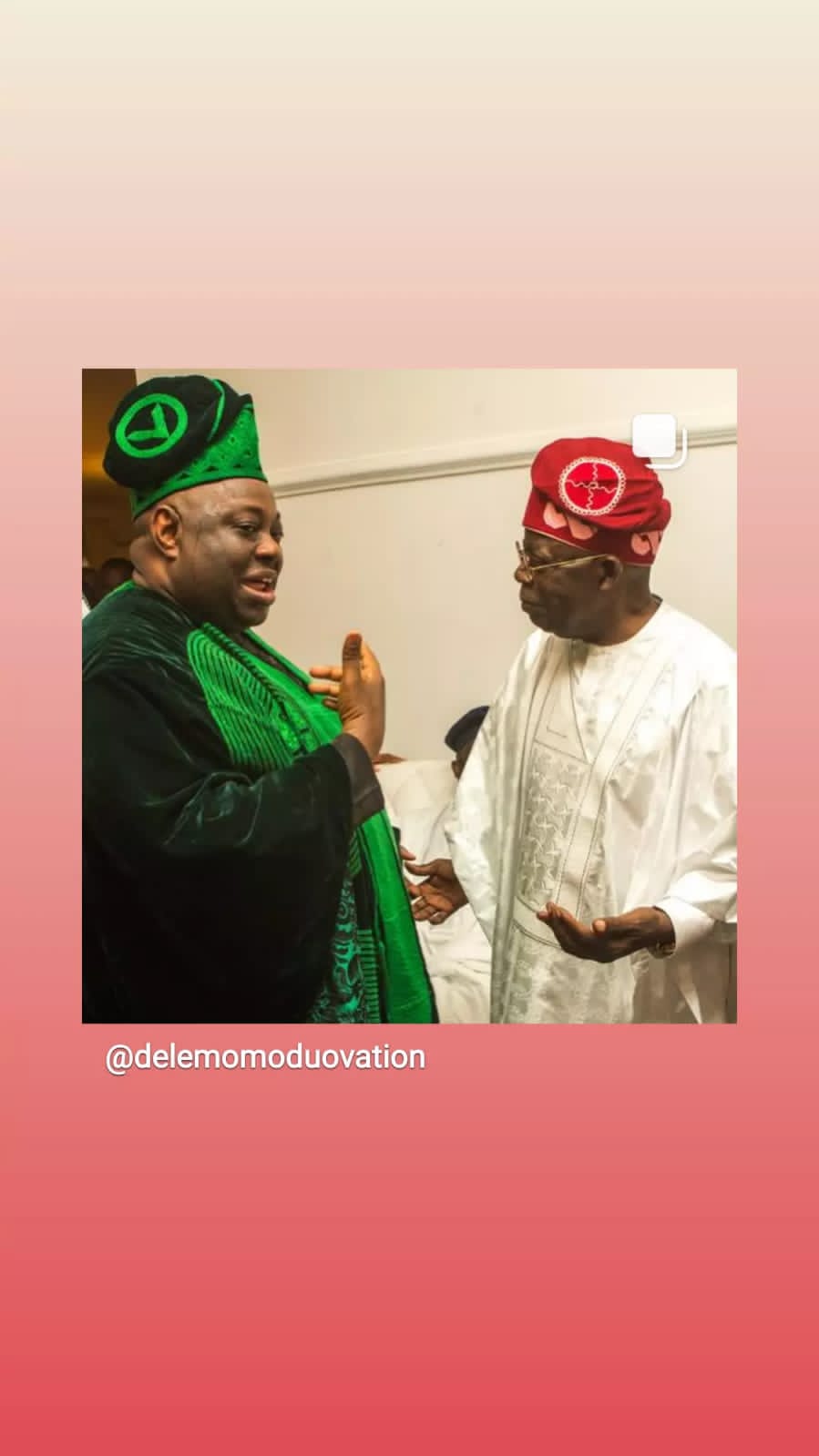
In an urgent open letter addressed to President Bola Tinubu, Dele Momodu, a concerned friend and political ally, has expressed grave concerns over the current state of Nigeria’s economy and governance. The letter, which has been made public to ensure transparency and accountability, emphasizes the importance of truth and critical reflection within the highest echelons of power.
Momodu, a member of the opposition with a long-standing relationship with President Tinubu, begins by acknowledging the historical ties between them. Despite their political differences, he stresses the necessity of conveying hard truths to the President, highlighting that the first casualty in the corridors of power is often the truth itself.
“Nigeria is in big trouble. Our economy has virtually collapsed,” Momodu states bluntly. He criticizes what he perceives as reckless spending by the government, citing examples such as the purchase of presidential jets, the construction of extravagant monuments, and the distribution of cash as palliatives. These actions, Momodu argues, are emblematic of a failed and careless administration.
He urges President Tinubu to embrace frugality and curb excessive government spending, suggesting that this would free up significant resources for essential development projects.
Addressing what he believes to be President Tinubu’s preoccupation with securing a second term in office, Momodu asserts that the best guarantee for re-election is tangible performance. “Nigerians are not expecting you to turn water into wine, but they don’t want you to turn their wines into water,” he declares.
Momodu offers specific recommendations for revitalizing the nation. He advocates for investing in vocational skills, focusing on the development of highly talented youths who can demonstrate their capacity for hard work. Additionally, he calls for substantial investment in local agriculture to enhance productivity and ensure food security. Upgrading educational institutions is another priority for Momodu, who believes that improving the quality of education is essential for preparing the next generation for future challenges.
Furthermore, Momodu criticizes the practice of distributing cash to politicians, describing it as both unhealthy and unhelpful. He argues that such actions represent the height of cluelessness and are counterproductive to genuine development efforts.
In a passionate appeal, Momodu warns President Tinubu to be wary of those who have turned him into an infallible figure, particularly singling out members of the National Assembly.