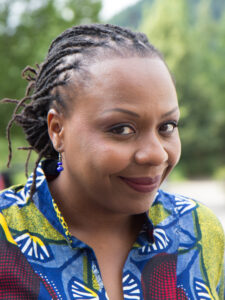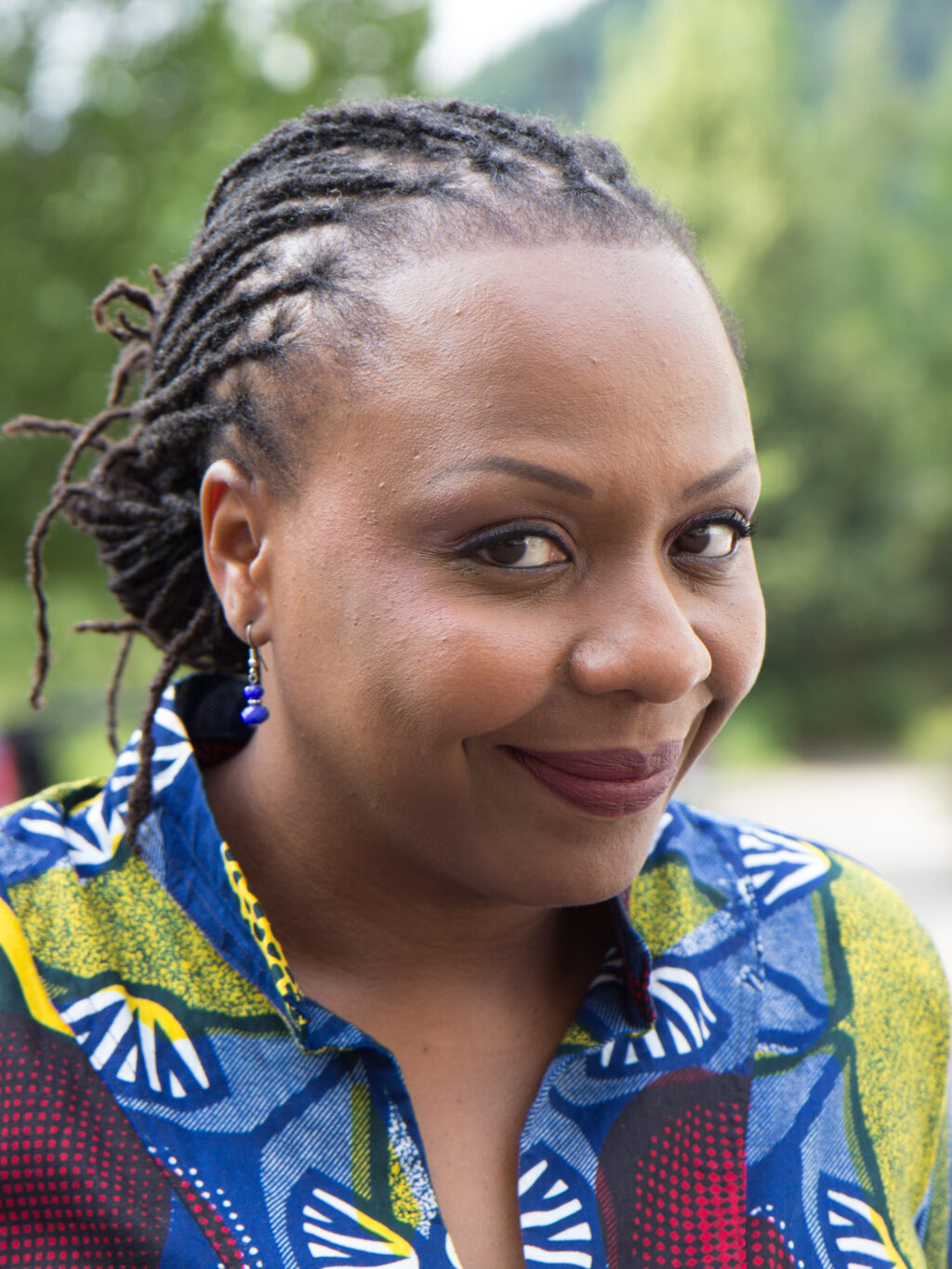
Lola Shoneyin at the Leselenz literary festival in Hausach, Germany, on 12 July 2015. Photograph by Harald Krichel, licensed under CC BY-SA 4.0. This is an archival portrait, not a photograph of the 2026 Aké Festival opening.
The 14th Aké Arts and Book Festival opened in Lagos on Thursday, bringing writers, poets, filmmakers and cultural thinkers together to examine how African knowledge systems can shape a future increasingly influenced by artificial intelligence.
The three-day festival, organised by the Book Buzz Foundation, is being held at Silkwood Hotel in Ikeja GRA from 19 to 21 November. This year’s theme, “Native Intelligence”, places ancestral knowledge, indigenous languages, memory and community in conversation with emerging technologies.
Founder and Festival Director Lola Shoneyin used the opening ceremony to challenge the tendency to treat intelligence as something measured only through formal education or technological systems.
“There’s the intelligence that comes from education. Then there’s the intelligence from the people,” she said.
Shoneyin said the festival was intended to create space for difficult and necessary conversations, including questions about whose knowledge is recognised and preserved as technology changes the way people write, communicate and understand the world.
The opening programme included a welcome address by Shoneyin and a goodwill message from Abubakar Suleiman, managing director of Sterling Bank. The ceremony also featured a presentation by the Nigeria Picture Book Project, a poetry performance by Dr D’bi Young Anitafrika, a non-fiction reading by Gloria Chinyere Okwu and a presentation of the Nommo Awards by Mina Khogali, director of the African Speculative Fiction Society.
Artificial intelligence enters the conversation
The festival’s first day placed artificial intelligence directly on the programme. A panel titled “The Future of Creative Work with Artificial Intelligence” brought together Jerry Falade, Marvellous Michael Anson and Osahon Ize-Iyamu, with Jude Umeh as moderator.
The session formed part of a wider examination of the relationship between new technology and creative work. The organisers have framed the theme around knowledge carried in language, ritual, memory and community, asking how those traditions can remain part of decisions about the technologies shaping African societies.
A second discussion, “Memory, Myth and the Machine”, featured writers Irenosen Okojie, Jowhor Ile and Rotimi Babatunde, moderated by Bukola Akinyemi. The pairing of the two panels gave the opening day a clear literary and cultural focus: one considered the future of creative labour, while the other examined how memory and inherited stories can be carried into new forms.
The day’s book conversations included Rukky Brume’s “It Comes In Waves” and A. Igoni Barrett’s “Whyteface”. Later sessions brought together Ojoma Ochai and Tara Fela-Durotoye, followed by conversations involving Philip B. Williams and Christina Fonthes.
Three days of books, film and performance
The published programme lists 24 events across the three days, including 11 book chats, six panel discussions, film screenings, poetry and music. Thursday’s schedule also included a screening of “How to Build a Library”, the documentary by Wanjiru Koinange and Angela Wachuka, and a bedtime reading by Khadija Yusra Sanusi.
The programme continues on Friday with discussions including “The State of Verse” and “Built to Last”, alongside further book conversations and a music performance by Savy Henry. Saturday’s schedule includes “Heroes of Our Own: Nigerian Comics and Animation Go Global”, a discussion on contemporary Nigerian literature with Granta magazine, more book chats and the festival’s Palm Wine and Poetry programme.
The Saturday comics and animation panel is scheduled to feature Olufikayo Adeola, Jide Martin and Roye Okupe. The Granta session is due to bring together Dipo Faloyin, Ngozi John and Sada Malumfashi. These sessions extend the festival’s focus beyond books to the wider creative industries and the international circulation of African stories.
The 2026 edition is supported by Sterling, the Open Society Foundations and the Lagos State Government. Ahead of the opening, the state announced a scheme offering 100 Lagos residents aged 20 to 25 a ₦20,000 book grant and free access to the festival. The initiative was designed to help younger readers take part in the event and buy books.
The Book Buzz Foundation says its wider work includes promoting literacy through reading spaces for children and organising cultural and literary festivals in Nigeria and internationally. The organisers say Aké has brought together more than 1,000 writers, poets, musicians, actors, filmmakers, artists and thinkers across its editions.
Keeping local knowledge in the future
The festival’s approach to artificial intelligence is particularly relevant to African publishing and creative work, where questions of authorship, language, representation and access are being debated alongside the adoption of new tools. By placing a discussion about AI beside sessions on memory, myth, poetry and indigenous knowledge, the programme asks how African cultural experience can inform the development and use of technology.
The organisers have described “Native Intelligence” as an invitation to look beyond algorithms and recognise the knowledge embedded in African languages, traditions and communities. The theme does not present technology and heritage as opposing forces. Instead, it asks how both can be brought into conversation without allowing local histories and ways of knowing to be pushed aside.
With the opening day completed, the festival continues at Silkwood Hotel through Saturday, 21 November. Its remaining programme will bring together writers and practitioners working across literature, poetry, film, music, comics and animation, with the discussions on technology and indigenous knowledge running through the three-day gathering.